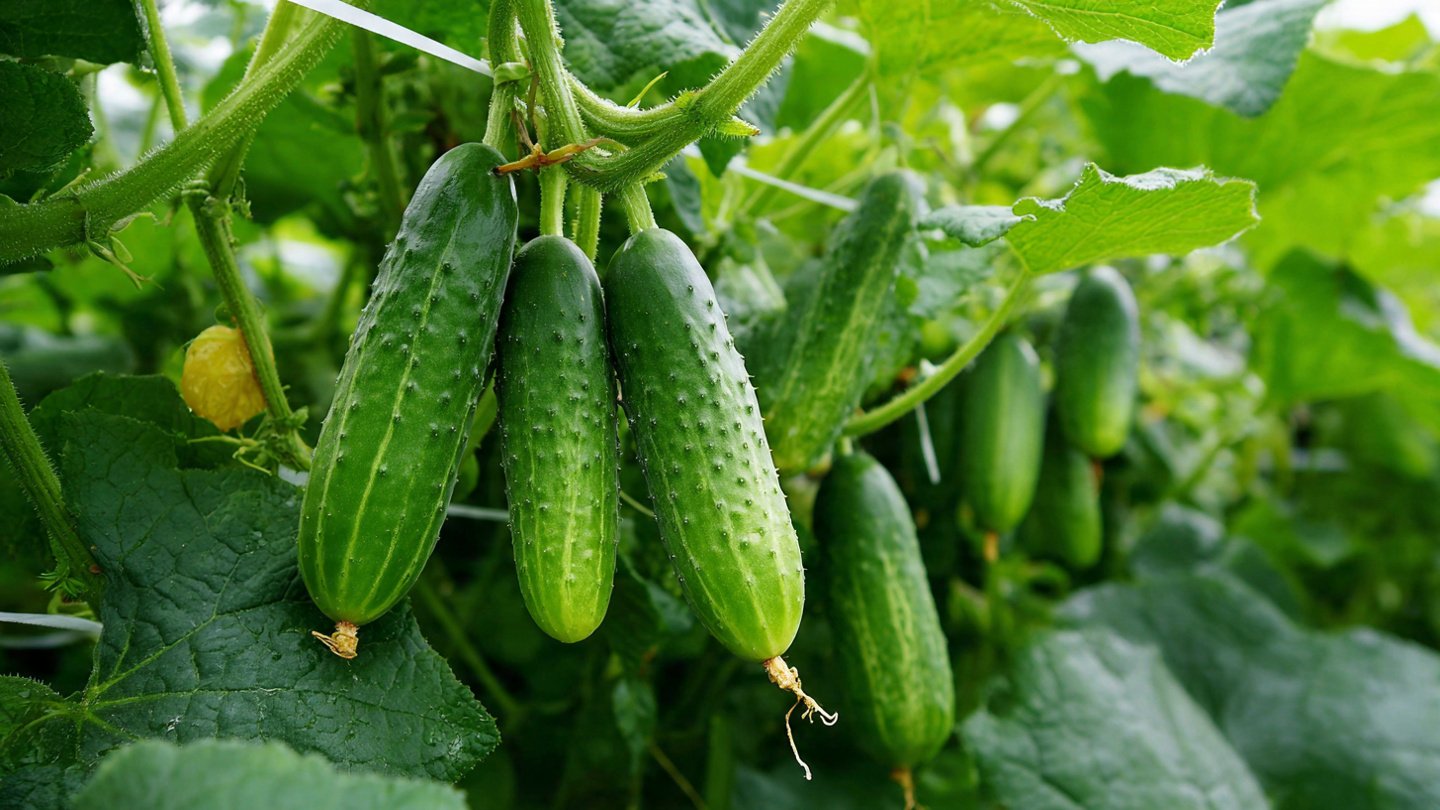
Cucumbers are a staple of summer gardens, loved for their crisp texture, refreshing flavor, and versatility in salads, pickles, and snacks. Yet, many gardeners struggle with low yields, bitter fruit, or plants that seem to fizzle out halfway through the season. The secret to growing cucumbers effectively isn’t more fertilizer or complicated techniques—it’s about understanding their needs and giving them a system that works naturally.
Whether you’re a beginner or a seasoned gardener, these practical tips will help you grow lots of cucumbers with minimal care.
1. Choose the Right Variety
The first step to success is selecting a cucumber variety suited to your space and climate. Cucumbers are broadly classified into:
- Slicing cucumbers – large, crisp fruits for salads
- Pickling cucumbers – shorter, thicker cucumbers ideal for preserves
- Bush varieties – compact plants perfect for containers
- Vining varieties – sprawling plants that produce heavily if trellised
For maximum yield with minimal care, consider disease-resistant hybrids. They are more resilient and less prone to pests, reducing your need for constant monitoring.
2. Plant in Warm, Fertile Soil
Cucumbers are warm-season plants that thrive in soil temperatures above 70°F (21°C). Planting too early can stunt growth.
Tips for soil preparation:
- Loosen the soil to a depth of 12–15 inches
- Mix in compost or well-rotted manure to improve fertility
- Ensure soil drains well to prevent root rot
- Maintain a slightly acidic to neutral pH (6.0–7.0)
Healthy soil reduces stress on plants and encourages strong growth with minimal intervention.
3. Space Plants Properly
Overcrowding is a common mistake that reduces yields and increases disease risk. Correct spacing allows airflow, sunlight penetration, and easy harvesting.
- Bush varieties: 12–18 inches apart
- Vining varieties: 36–48 inches apart
- Row spacing: 3–4 feet
If space is limited, vertical growing with trellises is ideal. Cucumbers love to climb, and vertical growth reduces disease pressure while maximizing fruit production.
4. Water Consistently but Carefully
Cucumbers are sensitive to irregular watering. Inconsistent soil moisture can cause bitter cucumbers or misshapen fruits.
Watering tips:
- Water deeply 1–2 times per week, depending on rainfall
- Avoid overhead watering that wets foliage
- Mulch around the base to retain soil moisture and reduce evaporation
Consistent moisture encourages faster flowering and fruiting while reducing stress.
5. Mulch to Save Time and Effort
Mulching is one of the easiest ways to grow cucumbers effectively with minimal care. Mulch regulates soil temperature, conserves moisture, and suppresses weeds naturally.
- Use straw, shredded leaves, grass clippings, or biodegradable garden mulch
- Apply a 2–3 inch layer around the base, leaving room for stems
- Replenish as needed during the growing season
Mulch reduces daily maintenance and supports healthy, productive plants.
6. Fertilize Strategically
Cucumbers are hungry plants, but too much nitrogen encourages leaf growth at the expense of fruit. Focus on balanced feeding:
- At planting: Add compost or slow-release fertilizer
- During flowering: Apply a fertilizer higher in phosphorus and potassium
- Avoid excessive nitrogen, which reduces fruiting and can attract pests
Light, consistent feeding minimizes care and maximizes yield.
7. Support Plants Vertically
Vining cucumbers perform best when trellised. This method offers multiple benefits:
- Keeps fruit clean and straight
- Improves airflow, reducing mildew and other diseases
- Makes harvesting easier
- Saves garden space
For vertical support, use sturdy stakes, netting, or a simple trellis system. Train vines gently upward, and prune if necessary to prevent overcrowding.
8. Encourage Pollination
Cucumbers need pollination to set fruit. Inadequate pollination can lead to small or deformed cucumbers.
Tips for better pollination:
- Plant flowers nearby to attract bees and beneficial insects
- Avoid spraying pesticides during flowering
- Hand-pollinate if necessary using a small brush or cotton swab
Healthy pollination ensures consistent fruit production with minimal effort.
9. Harvest Regularly
Cucumbers grow quickly and can become overripe in a matter of days. Frequent harvesting encourages plants to produce more.
- Pick cucumbers when they reach the ideal size for their variety
- Harvest every 1–3 days during peak season
- Remove overripe fruit to prevent the plant from slowing growth
Regular harvesting reduces the risk of bitterness and boosts total yield.
10. Watch for Pests and Disease
While this guide focuses on minimal care, occasional monitoring is essential. Common issues include:
- Powdery mildew – reduce by spacing plants, improving airflow, and removing affected leaves
- Cucumber beetles – handpick or use floating row covers early in the season
- Aphids – spray with water or introduce beneficial insects
By addressing problems early, you reduce long-term maintenance and keep yields high.
Extra Tips for Maximum Yield
- Rotate crops yearly to prevent soil-borne diseases
- Plant in full sun—cucumbers need at least 6–8 hours of sunlight per day
- Pinch lateral shoots on indeterminate varieties to focus energy on fruiting
- Grow companion plants like nasturtiums to deter pests naturally
Small adjustments like these help you achieve abundant harvests without constant attention.
Final Thoughts
Cucumbers are among the most rewarding vegetables to grow, but the key to success lies in strategic planting, consistent care, and smart support systems. By choosing the right variety, preparing fertile soil, using mulch, and training vines vertically, you can enjoy bountiful, high-quality cucumbers with minimal effort.
Whether you’re a busy gardener, apartment grower, or simply want a low-maintenance vegetable garden, these tips will help you maximize yield while keeping care simple. Follow these methods, and you’ll be enjoying fresh, crisp cucumbers straight from your garden all summer long.