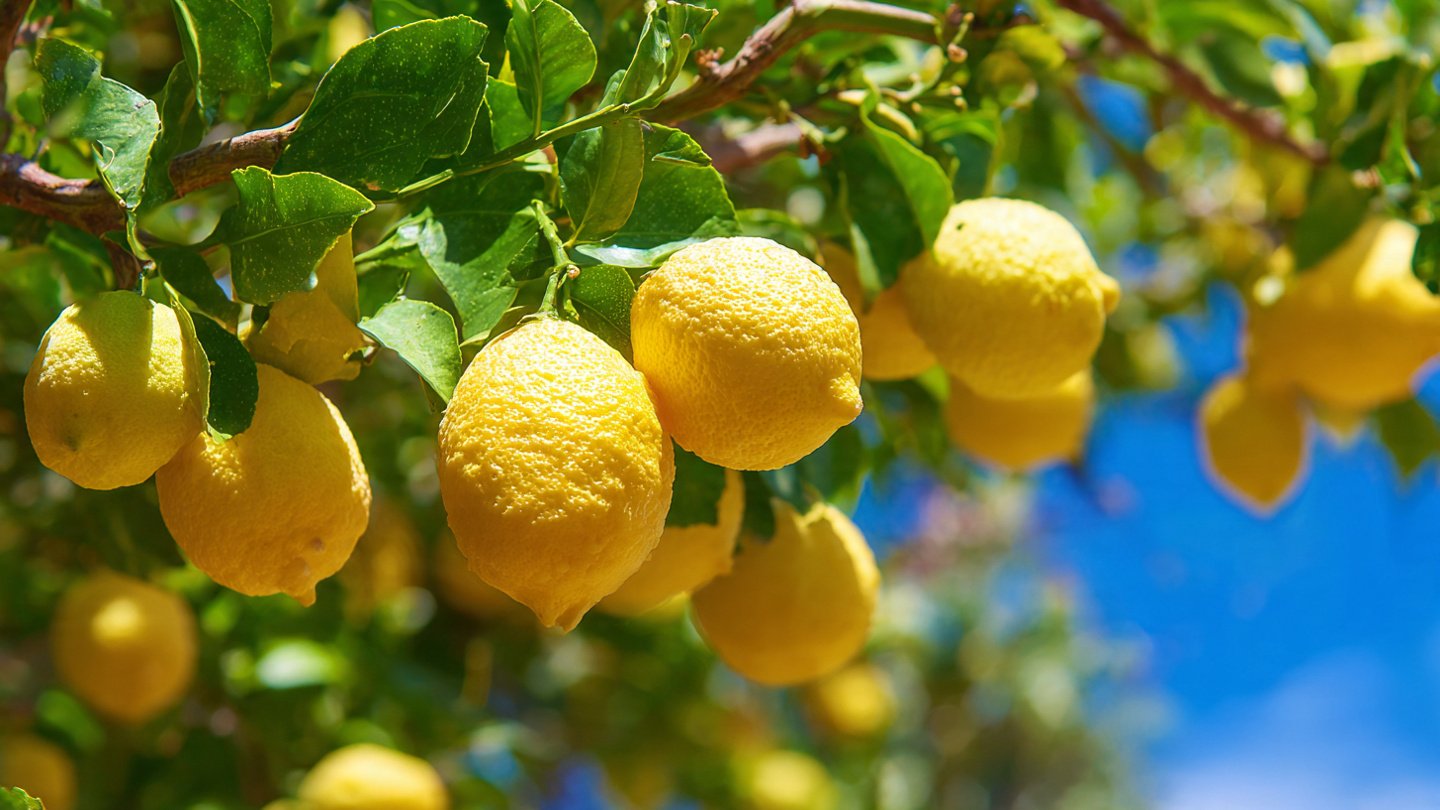
Few fruits are as versatile, refreshing, and rewarding to grow as lemons. From adding a burst of citrus to your meals and beverages to offering medicinal and cleaning benefits, lemons are a staple in kitchens worldwide. Growing your own lemon tree at home allows you to enjoy fresh, fragrant, and chemical-free fruits year-round. With proper care, a lemon tree can transform your garden, balcony, or indoor space into a personal citrus paradise.
This comprehensive guide will take you through everything you need to know about cultivating lemon trees, from selecting the right variety to harvesting and pest management, ensuring that your lemon tree thrives beautifully.
Choosing the Right Lemon Variety
The first step to a thriving lemon tree is selecting a variety suited to your climate and space:
- Eureka: This popular variety produces juicy, medium-sized lemons year-round. It’s ideal for both indoor and outdoor growing.
- Lisbon: Known for high fruit yield and thornless branches, Lisbon lemons are hardy and prolific.
- Meyer: A sweeter, more tender lemon, Meyer trees are perfect for container growing and indoor cultivation. They are less acidic and produce fragrant flowers.
- Ponderosa: This variety has thick-skinned fruits and is also suitable for ornamental purposes due to its lush foliage.
Consider your growing space, climate, and taste preferences when choosing a lemon variety. For container gardening or indoor spaces, Meyer lemons are highly recommended for their compact growth and lower cold sensitivity.
Selecting the Ideal Location
Lemon trees thrive in sunlight and warmth. The location you choose will significantly influence the tree’s health and fruit production:
- Full Sun: Lemon trees need at least 6–8 hours of direct sunlight daily. More sunlight encourages flowering and fruiting.
- Protection from Wind: Strong winds can damage branches and flowers. Plant your tree in a sheltered spot or near a wall that provides protection.
- Indoor Placement: If growing indoors, place your lemon tree near a south-facing window or use supplemental grow lights to ensure sufficient light.
- Outdoor Considerations: Lemon trees prefer well-draining soil and a slightly elevated location to prevent waterlogging, which can cause root rot.
Proper placement ensures your tree grows vigorously, produces abundant flowers, and ultimately yields more fruit.
Planting Your Lemon Tree
Whether starting from seed, grafted sapling, or nursery-grown young tree, proper planting is essential:
- Soil Preparation: Lemon trees prefer slightly acidic, loamy soil (pH 5.5–6.5) enriched with organic matter like compost or well-rotted manure.
- Planting Hole: Dig a hole twice as wide and as deep as the root ball. Loosen the surrounding soil to encourage root expansion.
- Spacing: If planting multiple trees, maintain a distance of 8–12 feet to allow air circulation and room for growth.
- Planting Depth: Place the tree at the same depth it was growing in its nursery pot. Avoid burying the trunk, as this can cause rot.
- Watering After Planting: Water thoroughly after planting to settle the soil and eliminate air pockets around the roots.
Correct planting lays the foundation for a healthy, productive lemon tree that requires minimal corrective care later.
Watering and Moisture Management
Lemon trees require consistent moisture, but overwatering can be detrimental:
- Deep, Infrequent Watering: Water thoroughly, allowing the soil to dry slightly between watering sessions. This encourages deep root growth.
- Mulching: Apply organic mulch around the base of the tree to retain soil moisture, regulate temperature, and suppress weeds. Keep mulch a few inches away from the trunk to prevent rot.
- Container Plants: For potted lemon trees, ensure excellent drainage and monitor soil moisture regularly, as containers dry out faster than garden beds.
Balanced watering ensures healthy root development, robust foliage, and consistent fruit production.
Fertilization for Optimal Growth
Lemon trees are heavy feeders, requiring regular nutrients for growth, flowering, and fruiting:
- Nitrogen: Essential for leafy growth and strong stems. Apply nitrogen-rich fertilizers in early spring and summer.
- Phosphorus: Encourages flowering and fruiting.
- Potassium: Strengthens the tree and improves fruit quality.
- Micronutrients: Magnesium, iron, and zinc are crucial for chlorophyll production and overall health. Citrus-specific fertilizers are often balanced for these requirements.
- Application Frequency: Fertilize 3–4 times per year for outdoor trees and every 6–8 weeks for container-grown trees.
Proper fertilization ensures your lemon tree grows vigorously and produces high-quality fruits year after year.
Pruning and Shaping Your Lemon Tree
Pruning is essential for maintaining a healthy, productive lemon tree, particularly if you want abundant fruit without needing extra support:
- Remove Dead or Damaged Branches: This prevents disease and encourages new growth.
- Thin the Canopy: Allow sunlight to penetrate the inner branches for better flowering and fruiting.
- Shape the Tree: Prune to maintain an open, balanced structure. This ensures that branches are strong enough to support fruit naturally.
- Prune After Harvest: Light pruning after fruiting helps prepare the tree for the next growing season.
Proper pruning strengthens branches, improves airflow, and reduces the risk of broken or weak limbs.
Encouraging Flowering and Fruiting
Flowers are essential for fruit production. Here’s how to maximize flowering and subsequent fruiting:
- Sunlight Exposure: More sunlight leads to better flower initiation.
- Temperature: Lemon trees prefer warm daytime temperatures (21–27°C) and slightly cooler nights for optimal flowering.
- Pollination: While lemon trees are self-pollinating, bees and other pollinators improve fruit set. Indoor trees may benefit from gentle hand pollination using a soft brush.
- Stress Management: Avoid excessive watering or fertilization during flowering, as this can reduce flower and fruit set.
By creating the ideal conditions, your lemon tree will produce abundant flowers, which transform into juicy, vibrant lemons.
Pest and Disease Management
Lemon trees can attract pests and diseases that affect growth and fruiting. Effective management ensures your citrus paradise thrives:
- Common Pests: Aphids, scale insects, and spider mites are frequent visitors. Use neem oil, insecticidal soap, or biological control agents to manage infestations.
- Fungal Issues: Powdery mildew and root rot can occur in humid or poorly drained conditions. Ensure proper spacing, sunlight, and soil drainage.
- Regular Inspection: Monitor leaves, branches, and fruits regularly to catch problems early. Remove affected parts promptly to prevent spread.
Healthy, pest-free trees produce better fruit and maintain structural integrity, reducing the need for supports.
Harvesting Your Lemons
Knowing when and how to harvest ensures maximum flavor and quality:
- Maturity: Lemons are ready to harvest when fully yellow (or yellow-green depending on the variety) and slightly soft to the touch.
- Cut, Don’t Pull: Use pruning shears to cut fruit from the tree, leaving a small portion of stem attached. Pulling can damage branches.
- Timing: Regular harvesting encourages the tree to produce more fruits. Avoid leaving mature lemons on the tree for too long.
Freshly harvested lemons are aromatic, juicy, and perfect for culinary, cleaning, and medicinal uses.
Container Lemon Trees: Citrus Paradise Indoors
For gardeners with limited outdoor space, lemon trees can thrive in containers:
- Choose the Right Container: A 15–20 gallon container provides sufficient room for root growth. Ensure good drainage.
- Soil: Use a well-draining potting mix enriched with compost.
- Light: Provide at least 6–8 hours of sunlight or supplement with grow lights.
- Winter Care: Move container trees indoors or to a protected area during frost. Meyer lemons are particularly suitable for indoor cultivation due to their cold tolerance.
Container gardening allows you to enjoy fresh lemons year-round, even in small urban spaces.
Tips for a Thriving Citrus Paradise
To maximize your success, consider these additional tips:
- Patience is Key: Lemon trees may take 1–3 years to bear fruit, depending on the variety and growing conditions.
- Rotate Containers: If growing in pots, rotate the tree periodically to ensure even sunlight exposure.
- Companion Planting: Plant herbs like basil or marigold nearby to deter pests naturally.
- Regular Maintenance: Remove weeds, monitor soil moisture, and clean fallen leaves to reduce disease risk.
- Enjoy the Aroma: Lemon blossoms are highly fragrant, adding a sensory delight to your garden or indoor space.
By following these tips, your lemon tree can flourish into a thriving, productive, and beautiful addition to your home.
Conclusion
Growing your own lemon tree is a rewarding journey that combines patience, care, and strategic gardening practices. From selecting the ideal variety to planting, watering, fertilizing, pruning, and pest management, each step contributes to building a personal citrus paradise.
Key takeaways include:
- Choose a lemon variety suited to your climate and space, such as Meyer or Eureka.
- Provide full sun, well-draining soil, and consistent moisture.
- Fertilize regularly with a balanced citrus fertilizer to promote growth and fruiting.
- Prune strategically to strengthen branches and encourage flowering.
- Monitor for pests and diseases to maintain plant health.
- Harvest regularly to ensure peak flavor and continued fruit production.
With these techniques, you can enjoy fresh lemons, fragrant blossoms, and a thriving citrus tree that enhances your garden, balcony, or indoor space. Growing your own lemon tree not only provides delicious fruit but also brings a sense of satisfaction and connection to nature.
Transform your home into a citrus paradise and indulge in the joys of homegrown lemons, one fragrant blossom and juicy fruit at a time!