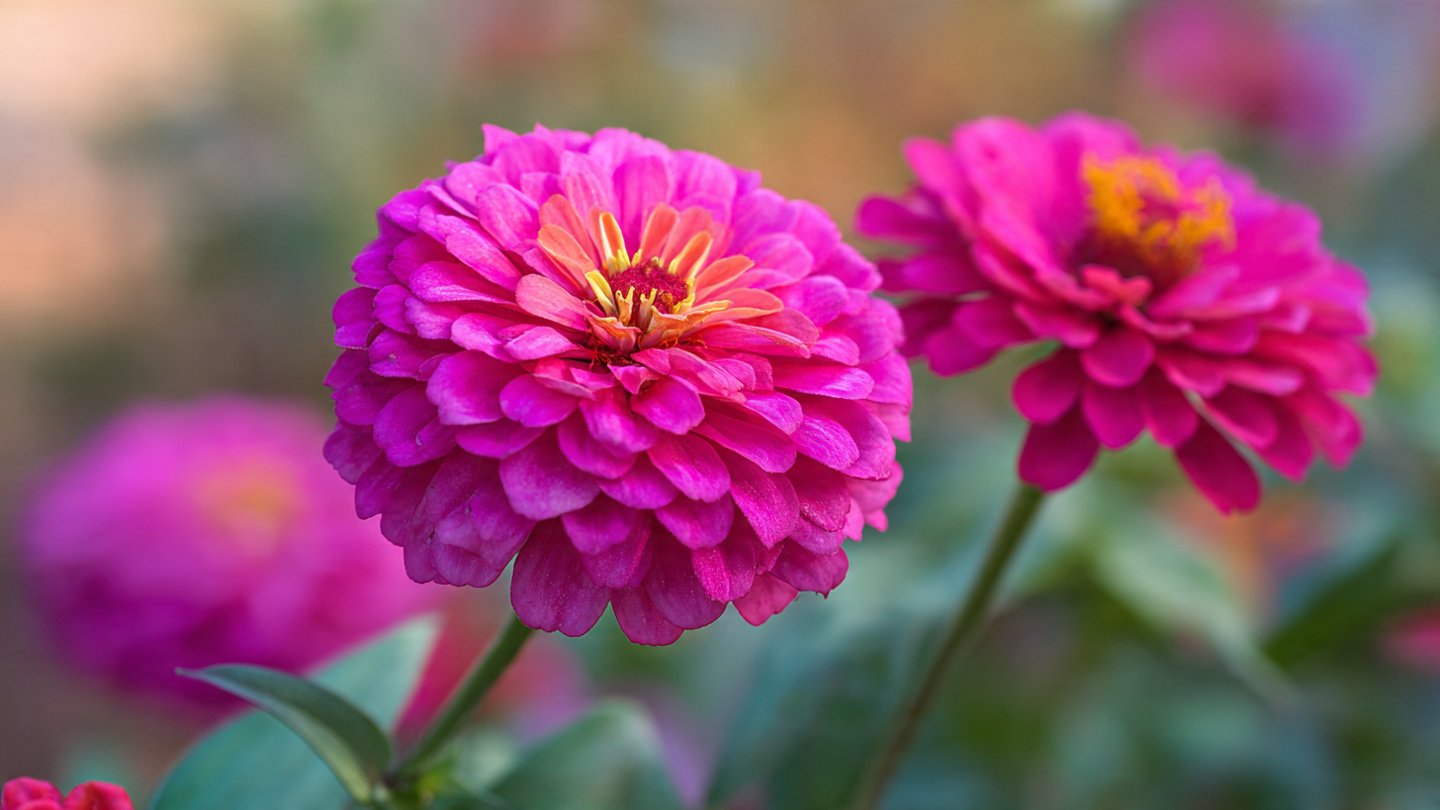
Zinnias are among the most beloved and vibrant flowers for home gardeners. Known for their bright, cheerful blooms and long-lasting color, zinnias (Zinnia elegans) are perfect for beds, borders, containers, and cut flower arrangements. They are easy to grow, attract pollinators like butterflies and bees, and thrive in a variety of climates. Growing zinnias from seed is not only cost-effective but also allows gardeners to select from a wide range of colors, sizes, and flower forms.
Whether you’re a beginner or an experienced gardener, this ultimate guide will walk you through every step to successfully grow zinnias from seed, from seed selection and preparation to care, maintenance, and harvesting blooms.
Why Grow Zinnias From Seed?
Growing zinnias from seed offers several advantages:
- Cost-Effective: Seeds are inexpensive, and a single packet can yield dozens of plants.
- Variety: Seeds allow access to countless varieties, including dwarf, tall, single, double, and bi-colored flowers.
- Early Start: Starting seeds indoors gives gardeners a head start on the growing season.
- Easy Propagation: Zinnias are generally straightforward to grow, making them ideal for beginners.
Selecting the Right Zinnia Seeds
Choosing the right seeds is the first step toward a successful garden:
- Variety: Decide whether you want tall varieties for beds or borders or shorter varieties for containers. Popular types include ‘Benary’s Giant,’ ‘State Fair,’ and dwarf varieties like ‘Thumbelina.’
- Color: Zinnias come in almost every color imaginable—from fiery reds and pinks to yellows, oranges, purples, and whites. Pick colors that complement your garden or floral arrangements.
- Seed Quality: Always use fresh seeds from a reputable source. Old or improperly stored seeds may have lower germination rates.
- Disease Resistance: Some varieties are bred to resist powdery mildew and other common garden diseases. These are ideal for humid or wet climates.
Preparing Seeds for Planting
Zinnia seeds are easy to sow, but a few simple steps can increase germination success:
- Check Seed Viability: Place a few seeds in a damp paper towel and wait 2–3 days. If most sprout, they’re viable.
- Soak Seeds (Optional): Soaking seeds in lukewarm water for a few hours before planting can speed up germination.
- Select Containers: Use seed trays, small pots, or biodegradable pots with drainage holes.
Planting Zinnia Seeds
Whether starting indoors or sowing directly outdoors, proper planting techniques are essential:
Indoor Seed Starting
- Timing: Start seeds indoors 4–6 weeks before the last expected frost.
- Soil: Use a light, well-draining seed-starting mix. Avoid heavy garden soil that can retain too much moisture.
- Sowing: Plant seeds ¼ inch deep. Cover lightly with soil.
- Watering: Mist gently to moisten the soil, being careful not to dislodge seeds.
- Temperature: Keep the soil at 70–75°F (21–24°C) for optimal germination.
- Light: Place trays in a sunny window or under grow lights for 12–16 hours a day. Seedlings require bright light to prevent legginess.
- Germination: Seeds typically sprout within 5–10 days.
Direct Outdoor Sowing
- Timing: Sow zinnia seeds outdoors after the danger of frost has passed and the soil has warmed to at least 60°F (16°C).
- Site Selection: Choose a location with full sun—zinnias require at least 6–8 hours of sunlight daily.
- Soil Preparation: Loosen the soil to a depth of 6–8 inches, and mix in compost or organic matter for fertility and drainage.
- Sowing Seeds: Plant seeds ¼ inch deep and 6–12 inches apart, depending on the variety.
- Watering: Water gently to settle the soil and encourage germination. Keep the soil moist until seedlings emerge.
Caring for Young Zinnia Seedlings
Once zinnia seedlings emerge, they require careful attention to ensure healthy growth:
- Thinning: When seedlings develop their first true leaves, thin them to prevent overcrowding. This ensures adequate airflow and reduces disease risk.
- Watering: Keep the soil consistently moist but avoid waterlogging. Deep watering encourages strong root development.
- Fertilization: Use a balanced, water-soluble fertilizer every 2–3 weeks to support vigorous growth. Avoid excessive nitrogen, which promotes foliage over blooms.
- Air Circulation: Adequate spacing and gentle airflow help prevent powdery mildew and other fungal diseases.
- Hardening Off: If seedlings were started indoors, gradually acclimate them to outdoor conditions over 5–7 days before transplanting.
Transplanting Zinnias
Transplant seedlings into the garden once they are 3–4 inches tall and the risk of frost has passed:
- Spacing: Tall varieties require 12–18 inches between plants, while dwarf varieties need 6–8 inches.
- Planting Depth: Plant seedlings at the same depth they were growing in trays. Avoid burying the stem too deep.
- Watering: Water thoroughly after transplanting and maintain consistent moisture until plants establish.
Sunlight and Soil Requirements
Zinnias thrive in sunny conditions and well-drained soil:
- Sunlight: Full sun is essential for vibrant blooms and strong stems. Inadequate light can result in spindly plants with fewer flowers.
- Soil: Well-draining soil enriched with compost or organic matter supports healthy growth. Zinnias prefer slightly acidic to neutral soil (pH 6.0–7.5).
- Mulching: Applying mulch around plants helps retain moisture, suppress weeds, and keep roots cool.
Fertilizing and Maintenance
Proper nutrition and care help zinnias bloom abundantly:
- Fertilizer: Use a balanced fertilizer every 4–6 weeks or a slow-release granular fertilizer at planting time. Avoid high-nitrogen fertilizers, which can promote leaf growth at the expense of flowers.
- Deadheading: Regularly remove spent blooms to encourage continuous flowering.
- Pest Control: Watch for aphids, spider mites, and caterpillars. Treat infestations with insecticidal soap or neem oil if necessary.
- Disease Management: Powdery mildew is a common problem, especially in humid climates. Ensure good spacing, air circulation, and water at the base of plants to minimize moisture on leaves.
Encouraging Long Blooming
Zinnias are prized for their long flowering season. To maximize blooms:
- Pinching: Pinch back young plants when they are 6 inches tall to promote bushier growth and more flower stems.
- Deadheading: Continuously remove spent flowers to stimulate the plant to produce new blooms.
- Succession Planting: Sow seeds every 2–3 weeks during the growing season for a steady display of flowers.
Harvesting Zinnia Flowers
Zinnias make excellent cut flowers for arrangements and bouquets:
- Timing: Harvest flowers in the morning when blooms are fresh and fully open.
- Method: Use sharp scissors or pruning shears to cut stems at an angle, leaving several inches of foliage on the plant.
- Vase Life: Place stems immediately in water. Zinnias can last up to 7–10 days in a vase.
Companion Planting and Pollinator Attraction
Zinnias are excellent companions for vegetables and herbs:
- Pollinators: Their bright blooms attract bees, butterflies, and hummingbirds, which benefit nearby crops.
- Companion Plants: Plant with tomatoes, peppers, or cucumbers to improve pollination and enhance garden biodiversity.
- Cut Flower Gardens: Zinnias are perfect for mixed flower beds, cottage gardens, and pollinator-friendly gardens.
Troubleshooting Common Problems
Even with proper care, zinnias may encounter some issues:
- Leggy Growth: Caused by insufficient light. Ensure at least 6–8 hours of direct sunlight.
- Powdery Mildew: Often a result of high humidity and poor airflow. Use resistant varieties and water at the base.
- Pests: Aphids, leafhoppers, and spider mites can infest plants. Early detection and treatment are key.
- Poor Flowering: Often caused by excessive nitrogen. Use balanced fertilizer and ensure adequate sunlight.
Conclusion
Growing zinnias from seed is a rewarding and enjoyable gardening experience. Their vibrant colors, long-lasting blooms, and ease of care make them a favorite for gardeners of all skill levels. By selecting quality seeds, providing optimal conditions, practicing proper care, and addressing common problems, you can create a stunning display of zinnias that enhances your garden and provides beautiful cut flowers for your home.
Whether planted in beds, borders, or containers, zinnias bring joy, attract pollinators, and make gardening accessible and fun. With this ultimate guide, you can confidently grow zinnias from seed, enjoy a season full of color, and cultivate flowers that brighten both your garden and your day.