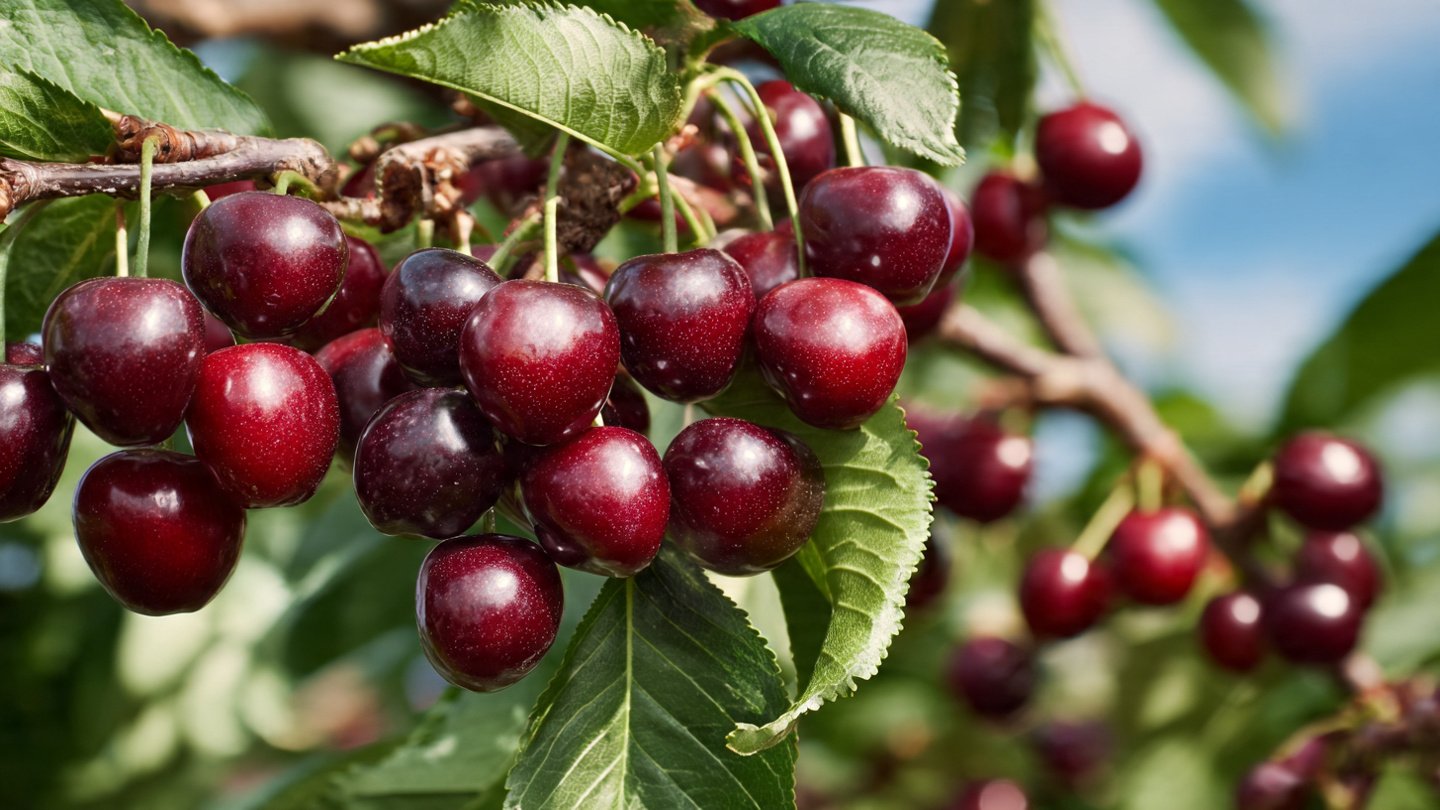
Sour cherries, also known as tart cherries, are a versatile and hardy fruit that thrive in temperate climates. Their bright, tangy flavor makes them perfect for pies, jams, sauces, and fresh snacking, while their ornamental blossoms add beauty to any landscape. However, growing sour cherry trees in Canada presents unique challenges due to cold winters, short growing seasons, and regional variations in climate.
This comprehensive guide will explore how to successfully grow sour cherry trees in the Canadian climate, covering everything from site selection and soil preparation to pruning, fertilizing, and harvesting. By following these tips, Canadian gardeners can enjoy abundant harvests of delicious, tart cherries year after year.
Why Grow Sour Cherries in Canada?
Sour cherries are particularly suited for Canadian gardens for several reasons:
- Cold Hardiness: Many sour cherry varieties can withstand temperatures as low as -30°C, making them ideal for Canadian winters.
- Short Growing Season Adaptability: Tart cherries have a relatively short time from flowering to harvest, which suits the Canadian climate.
- Nutritional Benefits: Rich in vitamins, antioxidants, and anti-inflammatory compounds, sour cherries are a healthy addition to any diet.
- Ornamental Value: Their early spring blossoms provide a spectacular display, enhancing your landscape.
- Versatility: Suitable for backyard orchards, container growing, and even urban gardens.
With the right variety and care, sour cherries can flourish in Canada, rewarding gardeners with fruit and visual appeal.
Step 1: Choosing the Right Sour Cherry Variety
Selecting a variety suited to your region is critical. Consider these factors:
- Cold Hardiness: Ensure the variety can survive harsh Canadian winters. Examples include ‘Montmorency,’ ‘Evans,’ and ‘North Star.’
- Pollination Needs: While some varieties are self-pollinating, planting two compatible varieties can improve yields.
- Tree Size: Dwarf and semi-dwarf varieties are ideal for smaller spaces or container growing.
- Fruit Uses: Some varieties are better for fresh eating, while others excel in pies or preserves.
Researching your local climate and soil conditions helps you select a variety that will thrive and produce abundant fruit.
Step 2: Selecting the Ideal Planting Site
Sour cherry trees require specific conditions to flourish in Canada:
- Sunlight: Full sun exposure (at least 6–8 hours daily) is essential for flowering, fruiting, and healthy growth.
- Wind Protection: Young trees benefit from shelter from harsh winter winds to prevent branch damage.
- Soil Drainage: Well-draining soil prevents waterlogged roots, which can lead to rot. Avoid low-lying frost pockets.
- Spacing: Plant trees 12–20 feet apart to allow airflow, reduce disease risk, and accommodate growth.
Choosing the right site ensures your trees develop strong roots, healthy foliage, and abundant fruit.
Step 3: Preparing the Soil
Healthy soil is the foundation for thriving sour cherry trees:
- Soil Type: Loamy, sandy, or clay-loam soils are ideal if well-draining.
- pH Level: Slightly acidic to neutral soils (pH 6.0–7.0) promote nutrient absorption.
- Organic Matter: Mix in compost or well-rotted manure to enhance fertility and improve moisture retention.
- Aeration: Loosen soil around the planting site to promote root growth.
Proper soil preparation increases tree vigor, flower production, and fruit quality.
Step 4: Planting Your Sour Cherry Trees
Planting trees correctly ensures successful establishment and long-term productivity:
- Timing: Plant trees in early spring, after the ground has thawed, or in fall before the first frost.
- Digging the Hole: Dig a hole twice as wide as the root ball and deep enough to accommodate roots without bending.
- Positioning the Tree: Place the tree in the hole so the graft union is 2–3 inches above soil level.
- Backfilling: Gently fill the hole with soil, firming it around roots, and water thoroughly.
- Mulching: Apply a 2–3 inch layer of organic mulch to retain moisture, moderate soil temperature, and suppress weeds.
Well-planted trees establish quickly and develop strong root systems for sustained growth.
Step 5: Watering Practices
Sour cherry trees require consistent moisture, especially in their early years:
- Young Trees: Water deeply 2–3 times per week during the growing season to encourage root development.
- Established Trees: Reduce frequency but ensure soil doesn’t dry out completely.
- Winter Considerations: Avoid overwatering in fall, as saturated soil combined with freezing temperatures can damage roots.
- Mulching: Retains soil moisture and reduces temperature fluctuations in Canadian climates.
Balanced watering supports vigorous growth and healthy fruiting.
Step 6: Fertilizing for Optimal Growth
Fertilization provides essential nutrients to support tree health, flowering, and fruiting:
- Initial Fertilization: Apply a balanced, slow-release fertilizer in early spring to stimulate growth.
- Mid-Season: Fertilize again after fruit set to encourage fruit development.
- Avoid Excess Nitrogen: Too much nitrogen promotes leafy growth but reduces fruit production.
- Organic Options: Compost, fish emulsion, or seaweed extract can supplement nutrition naturally.
Proper nutrition ensures robust trees, strong branches, and abundant, high-quality fruit.
Step 7: Pruning and Training
Pruning is essential for maintaining tree shape, encouraging fruit production, and preventing disease:
- First Year: Remove weak or damaged branches to establish a strong structure.
- Annual Pruning: Prune in late winter while trees are dormant. Remove crossing branches and thin dense growth.
- Maintain Open Center: Allow sunlight and airflow into the canopy for better fruit ripening and disease prevention.
- Remove Suckers: Cut off shoots growing from the base to focus energy on main branches.
Regular pruning increases fruit size, improves yield, and keeps trees healthy in the Canadian climate.
Step 8: Pollination and Flowering
Pollination is critical for fruit production:
- Self-Pollinating Varieties: Some sour cherries like Montmorency do not require cross-pollination.
- Cross-Pollination: Planting compatible varieties nearby can boost yields for varieties that need it.
- Pollinators: Bees and other insects play a vital role; consider planting pollinator-friendly flowers nearby.
Successful pollination leads to larger, juicier fruit and consistent harvests.
Step 9: Pest and Disease Management
Canadian sour cherry trees can face several pests and diseases:
- Cherry Fruit Fly: Lay eggs in developing fruit; use traps or insecticides to control.
- Aphids and Spider Mites: Spray with insecticidal soap or neem oil if infestations occur.
- Brown Rot and Leaf Spot: Fungal diseases can be managed by pruning, maintaining airflow, and using fungicides if necessary.
- Winter Protection: Protect trees from extreme frost with burlap wraps or tree guards.
Monitoring and proactive care reduce losses and maintain healthy trees.
Step 10: Harvesting Sour Cherries
Timing and technique are essential for a bountiful harvest:
- Ripeness: Cherries are ready when they are fully colored, firm, and easily detach from the stem.
- Regular Picking: Frequent harvesting encourages continued fruit production.
- Handling: Handle cherries gently to avoid bruising.
- Storage: Refrigerate fresh cherries for up to a week or process into jams, sauces, or preserves for long-term use.
Harvesting at peak ripeness ensures maximum flavor and sweetness for culinary use.
Tips for Thriving Canadian Sour Cherry Trees
- Site Selection: Avoid frost pockets and ensure good sun exposure.
- Variety Choice: Select cold-hardy varieties suitable for your region.
- Water Management: Balance irrigation with Canadian seasonal rainfall.
- Mulching: Protect roots from temperature fluctuations.
- Pollinator Support: Plant bee-friendly flowers for better fruit set.
Following these tips ensures productive, healthy sour cherry trees that withstand Canada’s unique climate.
Advantages of Growing Sour Cherry Trees in Canada
- Cold Hardy: Varieties are suited to withstand harsh winters.
- Short Growing Season: Produces fruit even with a limited summer.
- Ornamental Value: Early spring blossoms enhance landscape aesthetics.
- Culinary Uses: Fresh, tart cherries for pies, preserves, or sauces.
- Health Benefits: Packed with antioxidants, vitamins, and anti-inflammatory compounds.
Sour cherry trees combine beauty, nutrition, and hardiness for Canadian gardens.
Conclusion
Growing sour cherry trees in Canada is entirely achievable with the right planning, care, and attention. By selecting cold-hardy varieties, preparing well-draining soil, planting correctly, and following proper care routines, gardeners can enjoy abundant, delicious sour cherries even in challenging climates.
This ultimate guide equips Canadian gardeners with the knowledge to establish, maintain, and harvest sour cherry trees successfully, turning any backyard or urban garden into a fruitful, vibrant landscape. With patience and care, your trees can provide years of tangy, sweet rewards while enhancing your outdoor space with lush foliage and stunning blossoms.