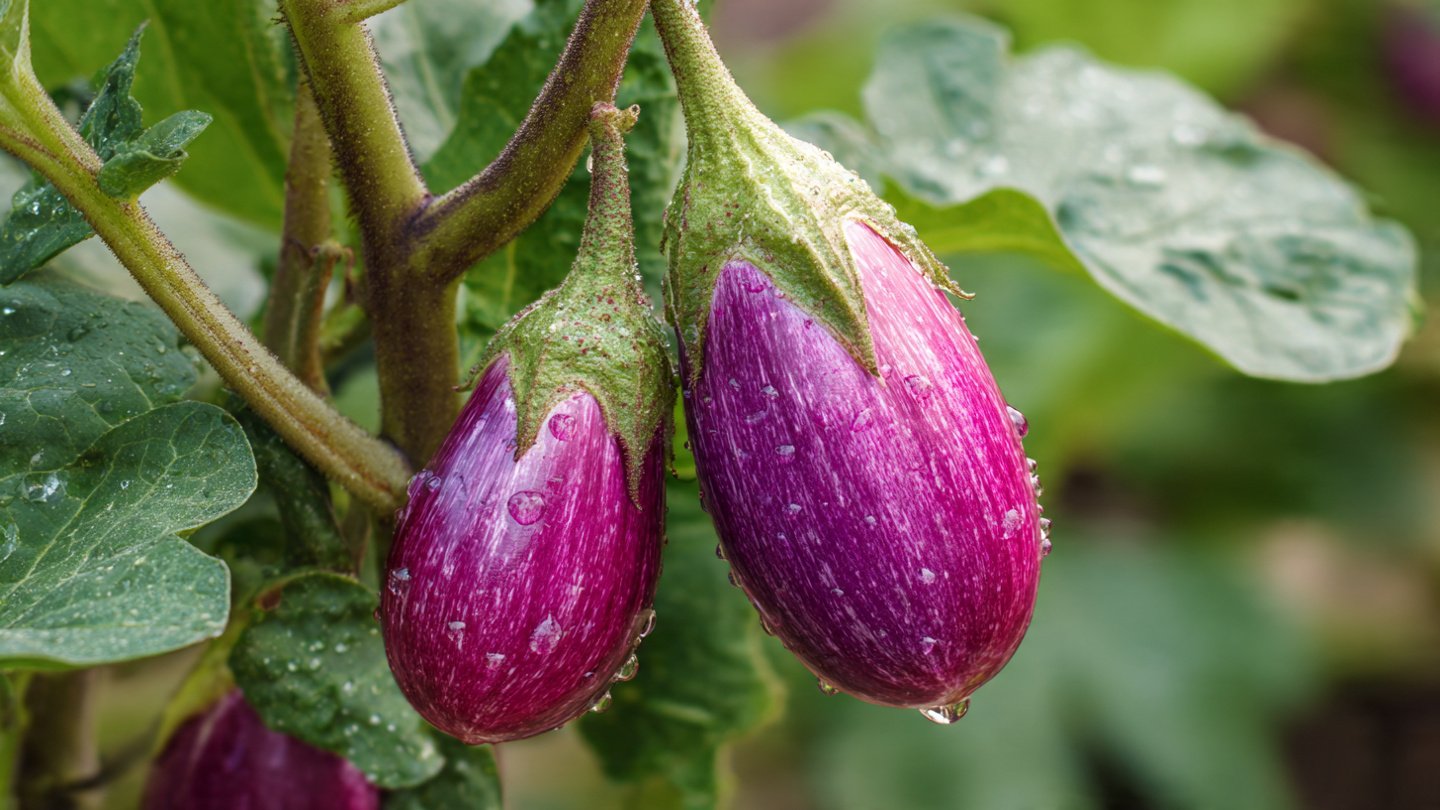
Japanese eggplants, with their slender, elongated shape and tender, sweet flesh, are a favorite among home gardeners and chefs alike. Unlike traditional globe eggplants, Japanese varieties boast delicate skin, fewer seeds, and a mild flavor that is perfect for grilling, stir-fries, roasting, and pickling. Growing Japanese eggplant at home can be a highly rewarding experience, allowing you to enjoy fresh, flavorful fruits throughout the season. With the right approach, you can cultivate these beautiful plants from seeds to harvest successfully. This ultimate guide will walk you through each step, ensuring a productive and satisfying home garden.
Understanding Japanese Eggplant
Japanese eggplants (Solanum melongena) are native to Asia and are known for their thin skin, slender body, and delicate taste. Popular varieties include:
- Ichiban: Deep purple, long, and tender; early-bearing.
- Orient Express: Glossy dark purple with excellent flavor.
- Nikko: Medium-sized, resistant to disease, suitable for container gardening.
These varieties thrive in warm conditions and tend to produce more fruit per plant compared to traditional globe eggplants. Understanding your chosen variety helps optimize growth and yield.
Starting from Seeds
Growing Japanese eggplant from seeds is the most rewarding method, giving you the widest variety options and strong, healthy plants.
Step 1: Choosing Seeds
Select high-quality seeds from reputable suppliers, preferably fresh and organic. Avoid old seeds, as germination rates decrease over time. If you live in a cooler climate, consider early-maturing varieties to ensure harvest before the first frost.
Step 2: Germination
- Timing: Start seeds indoors 8–10 weeks before the last expected frost.
- Soil: Use a light, well-draining seed-starting mix. Avoid heavy soils that can stunt seedlings.
- Planting Depth: Sow seeds 1/4 inch deep. Lightly cover with soil.
- Watering: Keep the soil evenly moist but not soggy. Overwatering can cause damping-off disease.
- Temperature: Maintain 75–85°F (24–29°C) for optimal germination. A heat mat can accelerate sprouting.
- Light: Once seedlings emerge, provide 12–14 hours of bright light daily using grow lights or a sunny windowsill.
Germination typically occurs within 7–14 days, depending on temperature and seed freshness.
Transplanting Seedlings
Once seedlings develop two to three true leaves and are strong enough to handle, it’s time to transplant them.
Step 1: Hardening Off
Before moving seedlings outdoors, gradually acclimate them to outdoor conditions:
- Place seedlings outside for 2–4 hours daily in a shaded spot.
- Gradually increase exposure to sunlight over 7–10 days.
- Protect from wind and frost during the process.
Step 2: Selecting a Site
Japanese eggplants thrive in warm, sunny locations:
- Sunlight: At least 6–8 hours of direct sunlight daily.
- Soil: Well-draining, fertile soil with a pH of 6.0–7.0.
- Spacing: Plant seedlings 18–24 inches apart, with rows spaced 2–3 feet apart to allow airflow and reduce disease risk.
Step 3: Planting Technique
- Dig a hole slightly larger than the root ball.
- Mix compost or well-rotted manure into the soil to enrich fertility.
- Place the seedling gently and backfill the hole.
- Water thoroughly to settle the soil and encourage root establishment.
- Optional: Mulch around the base to retain moisture and suppress weeds.
Caring for Japanese Eggplants
Proper care ensures healthy plants and bountiful harvests.
1. Watering
Eggplants require consistent moisture for fruit development:
- Water deeply once or twice a week, depending on rainfall.
- Avoid wetting leaves to prevent fungal diseases.
- Mulching helps maintain even soil moisture.
2. Fertilization
Japanese eggplants are heavy feeders:
- Pre-planting: Incorporate balanced compost or fertilizer into the soil.
- During growth: Apply a nitrogen-rich fertilizer when plants are young to encourage leafy growth.
- Flowering and fruiting: Switch to a phosphorus- and potassium-rich fertilizer to support blossom development and fruit formation.
3. Staking and Support
As Japanese eggplants produce long, heavy fruits, supporting the plant prevents branches from breaking:
- Use stakes or cages to keep plants upright.
- Tie stems loosely to supports using soft ties.
4. Pruning
Pruning encourages airflow, reduces disease, and can increase yield:
- Remove suckers (small shoots at leaf axils) to focus energy on main branches.
- Trim yellow or damaged leaves.
- Light pruning of excessive foliage allows sunlight to reach flowers and fruits.
Pollination and Flowering
Eggplants have perfect flowers (containing both male and female parts) but may require assistance for optimal fruit set:
- Encourage pollinators like bees by planting flowers nearby.
- For indoor plants or areas with low pollinator activity, gently shake flowers or use a small brush to transfer pollen.
- Temperature and sunlight influence flowering; warm days and consistent care maximize blossoms.
Pest and Disease Management
Common pests include aphids, flea beetles, spider mites, and whiteflies. Diseases may include verticillium wilt, powdery mildew, and bacterial wilt.
Prevention and control:
- Inspect plants regularly for signs of pests.
- Use organic pesticides, neem oil, or insecticidal soap for minor infestations.
- Promote airflow through proper spacing and pruning to reduce fungal diseases.
- Rotate crops and avoid planting eggplants in the same spot each year to minimize soil-borne diseases.
Harvesting Japanese Eggplants
Japanese eggplants are ready to harvest when:
- They reach full color (typically deep purple) and glossy skin.
- They are firm but not hard; overripe eggplants can become bitter and seedy.
- Fruits are harvested regularly to encourage continuous production.
Use a sharp knife or scissors to cut the fruit from the stem, leaving a short portion of the stem attached. Regular harvesting ensures longer fruiting periods.
Container Gardening for Japanese Eggplants
For gardeners with limited space, Japanese eggplants grow well in large containers:
- Container size: Minimum 12–16 inches deep and wide.
- Soil: Use well-draining, nutrient-rich potting mix.
- Watering: Container plants may dry out faster, requiring more frequent watering.
- Sunlight: Place containers in a location that receives full sun or use supplemental grow lights.
Container-grown eggplants are ideal for balconies, patios, or small backyard gardens.
Tips for Maximizing Yield
- Succession planting: Start seeds every few weeks to extend harvest periods.
- Companion planting: Plant with basil, marigolds, or beans to deter pests and improve growth.
- Temperature monitoring: Eggplants perform best in 70–85°F (21–29°C); use row covers or cloches to extend the season.
- Fertilize regularly: Consistent feeding throughout the season promotes healthy growth and abundant fruits.
By following these tips, gardeners can enjoy a high yield of Japanese eggplants even in shorter growing seasons.
Conclusion
Growing Japanese eggplants from seeds to harvest is a rewarding endeavor for any home gardener. By selecting the right variety, providing optimal growing conditions, and following proper care techniques, you can cultivate healthy, productive plants that deliver flavorful fruits throughout the season. From careful seed germination to transplanting, watering, fertilizing, and pest management, each step contributes to successful growth and a bountiful harvest.
Whether grown in outdoor beds or containers, Japanese eggplants thrive when given attention and care. By harvesting regularly and nurturing plants through their growth cycle, you can enjoy fresh, tender, and sweet eggplants for months, bringing a taste of gourmet cuisine right to your home garden. With patience and proper planning, your Japanese eggplant plants will reward you with abundant harvests season after season.