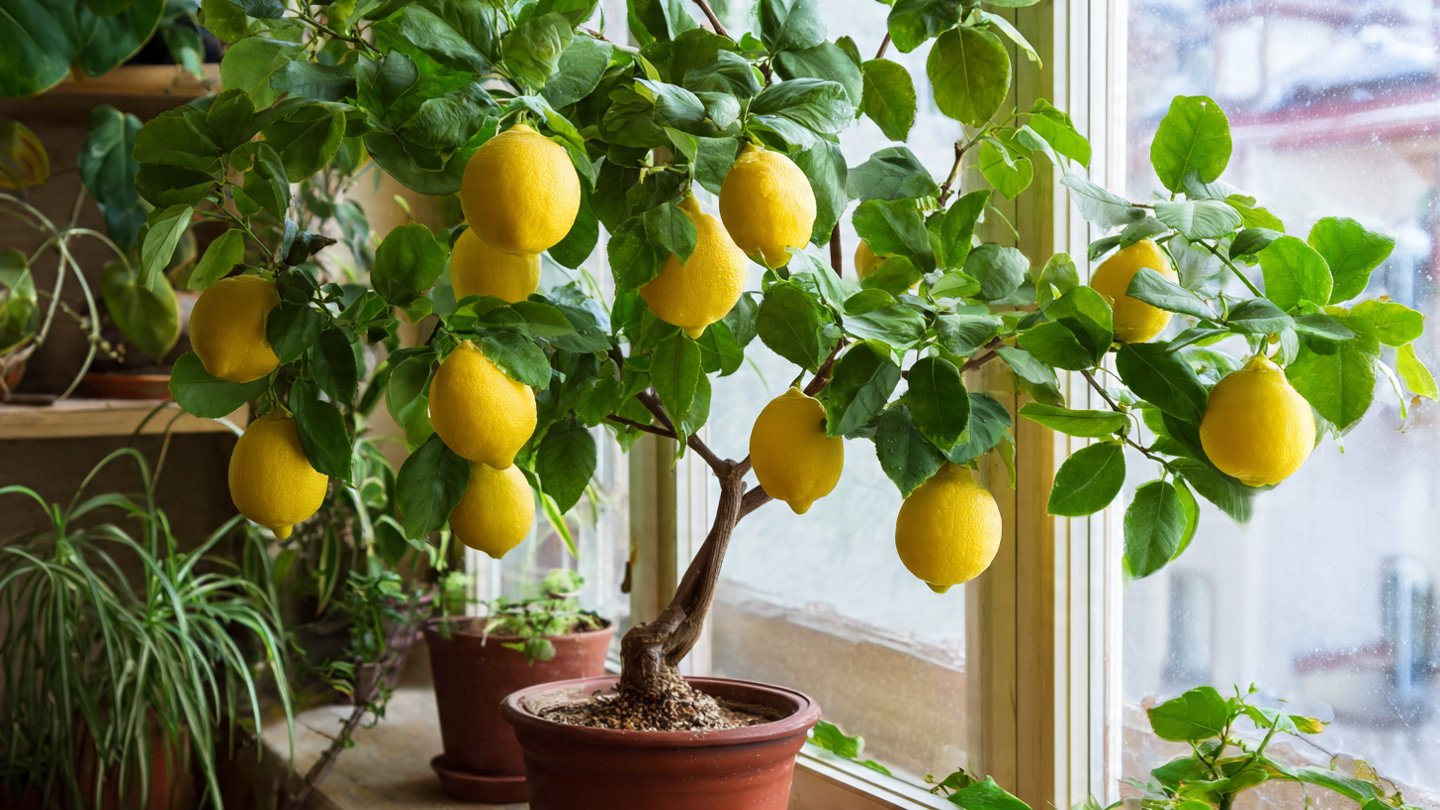
Lemon trees are one of the most rewarding fruit trees to grow at home. Their bright, fragrant blossoms, vibrant green leaves, and tart, juicy fruits make them a favorite for gardeners and citrus lovers alike. While buying a young lemon tree from a nursery is common, propagating lemon trees from seeds or cuttings allows gardeners to grow their own citrus paradise from scratch. Propagation is not only cost-effective but also provides a sense of accomplishment as you watch your tiny seedlings develop into thriving trees.
This ultimate guide will walk you through everything you need to know about propagating lemon trees—choosing the method, preparing seeds or cuttings, nurturing young plants, and ensuring a healthy, fruitful future.
Why Propagate Lemon Trees?
Before diving into the techniques, it’s helpful to understand the benefits of propagating lemon trees yourself:
- Cost Savings: Seeds and cuttings are inexpensive compared to buying mature trees.
- Variety Selection: You can choose your favorite lemon varieties, such as Eureka, Lisbon, or Meyer, to grow exactly what you love.
- Satisfaction: Watching a tree grow from scratch offers a unique sense of accomplishment.
- Control Over Growth: Starting your own tree lets you manage soil, water, and nutrients from the beginning, reducing the risk of disease.
Whether your goal is a compact indoor lemon tree or a full backyard citrus orchard, propagation is the first step toward creating your personal citrus paradise.
Propagation Methods
There are two primary methods for propagating lemon trees: from seeds and from cuttings. Each method has its advantages and challenges.
1. Propagating from Seeds
Growing lemons from seeds is simple and perfect for beginners:
- Step 1: Choose Fresh Seeds: Use seeds from a ripe, healthy lemon. Fresh seeds have the highest germination rate.
- Step 2: Clean the Seeds: Rinse seeds thoroughly to remove pulp, which can encourage mold growth.
- Step 3: Optional Scarification: Gently nick or sand the seed coat to help water absorption and speed up germination.
- Step 4: Soak Seeds: Soak seeds in warm water for 12–24 hours to activate growth.
- Step 5: Planting: Plant seeds ½ inch deep in a well-draining potting mix. Use small pots to monitor early growth.
- Step 6: Provide Warmth and Light: Lemon seeds germinate best in temperatures around 70–75°F (21–24°C) with plenty of indirect sunlight.
- Step 7: Watering: Keep soil consistently moist but not waterlogged. Overwatering can rot the seeds.
Seeds generally germinate within 2–4 weeks. While seed-grown trees may take several years to fruit, this method is ideal for learning and experimentation.
2. Propagating from Cuttings
Cuttings produce faster fruiting trees and are genetically identical to the parent plant:
- Step 1: Select Healthy Cuttings: Choose a semi-hardwood branch from a mature lemon tree. The cutting should be 6–8 inches long with several leaves.
- Step 2: Remove Lower Leaves: Trim off the bottom leaves, leaving 2–3 at the top.
- Step 3: Apply Rooting Hormone: Dip the cut end in rooting hormone powder to encourage root development.
- Step 4: Plant the Cutting: Insert the cutting into a moist, well-draining potting medium such as perlite or sand mixed with peat.
- Step 5: Provide Humidity: Cover the cutting with a plastic bag or dome to maintain humidity. Mist regularly.
- Step 6: Indirect Light: Place in bright, indirect light for optimal rooting conditions. Avoid direct sunlight, which can stress the cutting.
Rooting typically occurs within 4–8 weeks. Once roots are established, gradually acclimate the young tree to normal indoor or outdoor conditions.
Choosing the Right Growing Medium
A healthy growing medium is critical for lemon propagation:
- Well-Draining Soil: Lemon trees are susceptible to root rot, so a mix that drains well is essential. A combination of potting soil, perlite, and sand works well.
- pH Level: Slightly acidic soil (pH 5.5–6.5) promotes optimal nutrient absorption.
- Nutrient-Rich: Incorporate compost or organic matter to provide the young plants with essential nutrients.
A suitable medium supports strong root development, which is vital for healthy growth and eventual fruit production.
Caring for Young Lemon Trees
Once your seeds or cuttings have sprouted, proper care ensures robust growth:
Light
Young lemon trees need bright, indirect sunlight for at least 6–8 hours a day. Indoor growers can use fluorescent or LED grow lights to supplement natural light, especially during winter months.
Watering
Keep soil consistently moist but avoid overwatering. Water thoroughly when the top inch of soil feels dry. Proper drainage prevents root rot and encourages strong root systems.
Fertilization
Feed seedlings with a balanced, water-soluble fertilizer every 2–3 weeks. Once established, switch to a citrus-specific fertilizer high in nitrogen, potassium, and magnesium to support foliage and fruit development.
Temperature and Humidity
Young lemon trees prefer warm temperatures (65–80°F / 18–27°C) and moderate humidity. Avoid exposing seedlings to drafts, frost, or sudden temperature fluctuations.
Transplanting Lemon Trees
As lemon trees grow, they may need to be transplanted into larger containers or into the ground:
- Choose the Right Container: For potted lemon trees, select a container at least 12–14 inches in diameter with drainage holes.
- Soil Preparation: Use well-draining, nutrient-rich soil. Adding perlite or sand ensures aeration.
- Planting Depth: Plant the young tree at the same depth as it was in the nursery pot. Avoid burying the trunk, as this can cause rot.
- Watering: Water thoroughly after transplanting and monitor for stress signs. Young trees may experience temporary leaf drop but should recover within a few weeks.
Proper transplanting ensures that the young tree has enough space to grow a strong root system, essential for future fruiting.
Pruning and Training
Pruning helps shape lemon trees, encourages strong growth, and improves fruit yield:
- Remove Weak or Crossing Branches: Cut away branches that crowd the center of the tree.
- Maintain Central Leader: Promote a main central trunk with evenly spaced lateral branches.
- Remove Suckers: Cut off shoots that grow from the base of the tree to focus energy on the main structure.
- Encourage Airflow and Light Penetration: Proper pruning reduces disease risk and supports flower and fruit development.
Regular pruning strengthens the tree and helps maintain a manageable size for home cultivation.
Pests and Disease Management
Even young lemon trees can face challenges from pests and diseases:
- Aphids and Whiteflies: Small insects that feed on sap, causing distorted leaves. Spray with neem oil or insecticidal soap.
- Scale Insects: Small, hard-shelled pests that attach to branches. Remove manually or use horticultural oil.
- Fungal Diseases: Root rot and leaf spot can occur in poorly drained soils. Ensure proper watering and soil aeration.
- Regular Monitoring: Inspect plants weekly for early signs of pests or disease. Early intervention prevents severe damage.
Healthy, well-cared-for trees are more resistant to common citrus pests and diseases.
Flowering and Fruiting
Seed-grown lemon trees may take 2–5 years to flower, while cutting-propagated trees may bloom sooner. To encourage flowering:
- Adequate Sunlight: Full sunlight exposure is critical.
- Proper Fertilization: High phosphorus fertilizers can promote flower formation.
- Pollination: Indoor trees may require hand-pollination using a small brush to transfer pollen from flower to flower.
- Patience: Fruit development takes several months. Young trees may produce smaller fruits initially.
By providing ideal conditions, you can enjoy blossoms and eventually harvest fragrant, juicy lemons.
Conclusion
Propagating lemon trees at home is a rewarding journey that combines patience, care, and attention to detail. Whether starting from seeds or cuttings, understanding the requirements of young trees—light, water, nutrients, and temperature—is key to success.
By following this step-by-step guide, you can cultivate healthy lemon trees that grow into a citrus paradise in your backyard, patio, or indoor garden. From fragrant blossoms to fresh, homegrown lemons, the benefits of growing your own lemon trees are numerous: cost savings, superior flavor, and the satisfaction of nurturing a tree from scratch.
With proper care, pruning, and pest management, your lemon trees can provide years of fruit and beauty. Imagine the joy of slicing a lemon from your own tree into your morning tea or using it to create homemade preserves, knowing it came from the garden you nurtured. Propagation is not just gardening—it’s creating a personal connection with your food and the natural world, one lemon at a time.