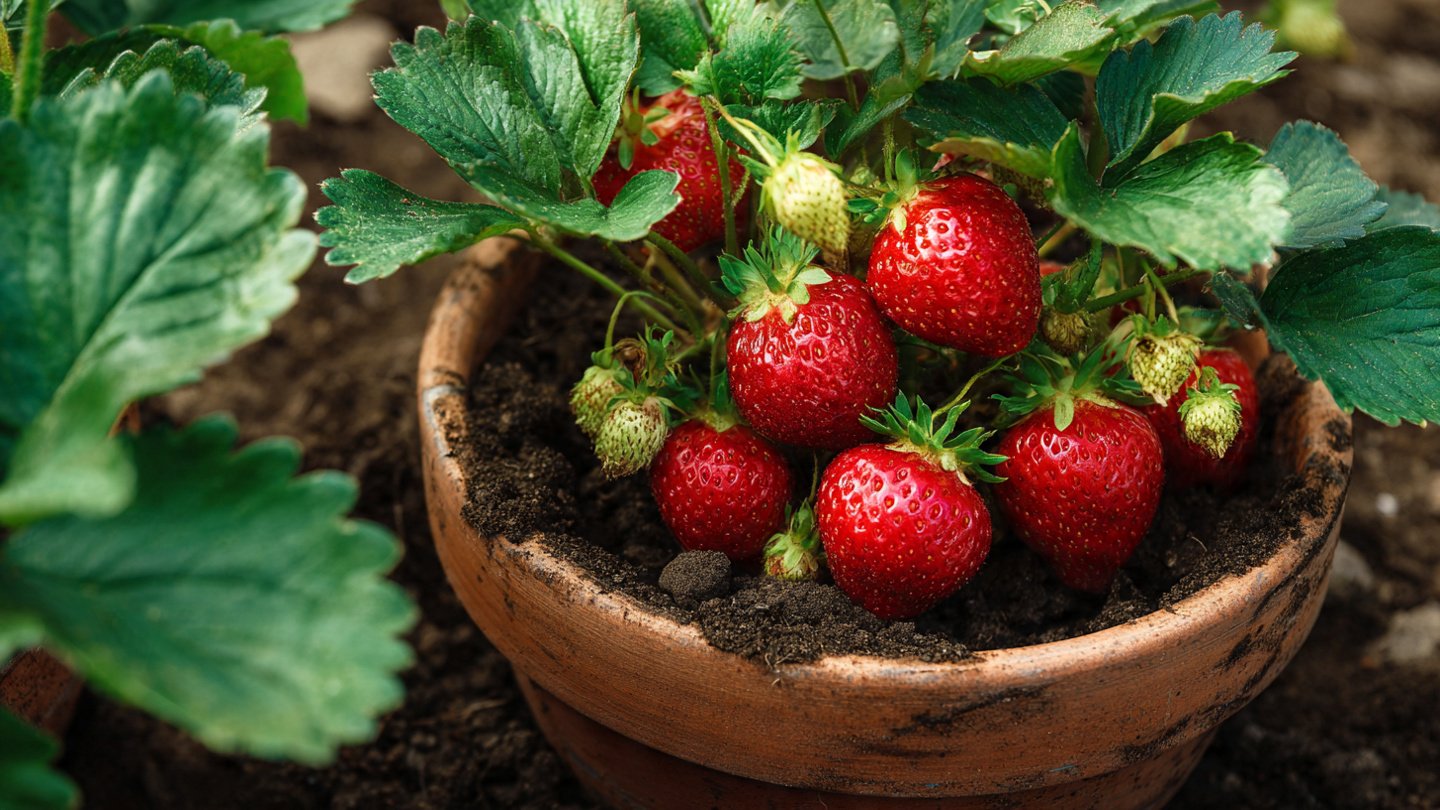
Strawberries are one of the most beloved fruits worldwide, celebrated for their sweet flavor, vibrant color, and nutritional benefits. Growing strawberries at home has become increasingly popular, and container gardening is a perfect solution for those with limited space, whether on patios, balconies, or small gardens. The secret to maximizing strawberry yields in containers lies in one critical factor: the soil mix. A well-balanced, nutrient-rich, and well-draining container soil mix ensures healthy root growth, abundant flowers, and bountiful fruit production.
This ultimate guide will take you through everything you need to know about creating the perfect strawberry container soil mix, including the right ingredients, ratios, preparation techniques, and ongoing care to achieve maximum yields.
Why Container Soil Mix Matters
Strawberries are relatively shallow-rooted plants, making them highly dependent on the quality of the soil they grow in. In containers, soil quality becomes even more crucial because:
- Nutrient Availability: Strawberries are heavy feeders. A rich soil mix ensures roots have constant access to essential nutrients for flower and fruit production.
- Drainage: Overwatering or poor drainage can lead to root rot, fungal infections, or stunted growth. A well-draining mix prevents waterlogging.
- Aeration: Roots need oxygen to grow efficiently. Loose, well-structured soil promotes healthy root systems and vigorous plants.
- Moisture Retention: While drainage is important, strawberries also need consistent moisture. The right soil mix balances water retention and drainage.
By optimizing the soil mix, gardeners can significantly improve plant health, fruit size, and overall yield.
Essential Ingredients for Strawberry Container Soil
Creating the perfect strawberry container soil mix involves combining several key ingredients that provide nutrients, drainage, and structure. Here’s a breakdown of the essentials:
1. High-Quality Potting Soil
A light, fluffy potting soil serves as the base of your mix. Avoid using garden soil alone, as it can compact in containers, restrict root growth, and harbor pests or diseases. Potting soil provides the structure needed for proper aeration and initial nutrient content.
2. Organic Compost
Compost enriches the soil with essential nutrients, beneficial microorganisms, and organic matter. It improves soil fertility, retains moisture, and encourages strong root development. Well-rotted compost from vegetable scraps, leaves, or purchased organic compost works well.
3. Coco Coir or Peat Moss
Coco coir or peat moss helps retain moisture while keeping the soil light and airy. Coco coir is renewable and sustainable, whereas peat moss is acidic and retains water efficiently. Both options help maintain consistent moisture without waterlogging the roots.
4. Perlite or Vermiculite
Adding perlite or vermiculite improves drainage and aeration, preventing soil compaction. Perlite is particularly useful for containers because it helps excess water drain freely while maintaining root oxygenation. Vermiculite holds more water and nutrients, which can be useful in drier climates.
5. Organic Fertilizers or Amendments
Strawberries benefit from slow-release organic fertilizers such as:
- Bone Meal: Provides phosphorus for strong root and flower development.
- Kelp Meal: Supplies trace minerals and promotes overall plant health.
- Worm Castings: Enriches the soil with nitrogen and beneficial microbes.
Using these amendments ensures a steady supply of nutrients throughout the growing season.
Recommended Soil Mix Ratios
A balanced soil mix combines all ingredients to provide nutrients, drainage, and moisture retention. A commonly recommended ratio for strawberries in containers is:
- 40% Potting Soil
- 30% Compost
- 20% Coco Coir or Peat Moss
- 10% Perlite or Vermiculite
Optional: Add 1–2 tablespoons of organic amendments (bone meal, kelp meal, or worm castings) per gallon of soil mix.
This combination provides light, fertile soil with excellent drainage while retaining enough moisture to support consistent strawberry growth.
Preparing the Container Soil Mix
Once you’ve gathered your ingredients, follow these steps to prepare the perfect strawberry container soil:
- Mix Dry Ingredients: In a large container or wheelbarrow, combine potting soil, compost, coco coir (or peat moss), and perlite (or vermiculite). Mix thoroughly to ensure uniform consistency.
- Add Fertilizers: Incorporate organic amendments evenly throughout the soil mix. Avoid placing fertilizer directly against the roots, which can burn seedlings or plants.
- Moisture Adjustment: Lightly moisten the soil mix with water until it holds together when squeezed but does not become soggy. Moist soil improves transplanting success and helps roots establish quickly.
- Fill Containers: Fill your chosen pots or raised beds with the prepared soil, leaving 1–2 inches at the top for watering and mulch application.
Prepared correctly, this soil mix provides strawberries with a nurturing environment from planting to harvest.
Choosing the Right Containers
The container itself plays a critical role in strawberry health and yield. Key considerations include:
- Size: Each strawberry plant requires at least 8–12 inches of space. Larger containers allow multiple plants and deeper root development.
- Drainage: Ensure containers have sufficient drainage holes to prevent waterlogging.
- Material: Plastic, clay, or wooden containers all work. Plastic retains moisture longer, while clay provides better aeration.
- Elevation: Raised containers or hanging baskets improve airflow and reduce pest problems.
Pairing the right container with an optimal soil mix creates an environment that maximizes plant growth and fruit production.
Planting Strawberries in Containers
With your soil mix ready, planting strawberries is straightforward:
- Choose Healthy Plants: Select disease-free, vigorous strawberry plants. Bare-root or potted varieties are suitable for container gardening.
- Plant Depth: Place plants so the crown is at soil level, not buried. Proper crown placement prevents rot and promotes healthy growth.
- Spacing: Allow at least 8–12 inches between plants to ensure good air circulation and fruit development.
- Watering: Water thoroughly after planting to help roots settle and establish.
Care and Maintenance
A nutrient-rich soil mix is only effective with proper care:
Watering
Strawberries in containers dry out faster than in-ground plants. Keep the soil consistently moist, especially during flowering and fruiting. Avoid overwatering, which can cause root rot.
Fertilization
Supplement with liquid organic fertilizers every 2–4 weeks or add slow-release fertilizers to the soil at planting. This ensures that nutrient levels remain high throughout the growing season.
Mulching
Apply a thin layer of straw, shredded leaves, or pine needles over the soil surface. Mulching conserves moisture, suppresses weeds, and keeps fruits clean.
Pruning and Runner Management
Remove old or yellowing leaves and trim runners unless you want to propagate new plants. Controlling runners focuses energy on fruit production.
Pest and Disease Control
Monitor plants regularly for aphids, slugs, or fungal diseases. Use organic treatments, neem oil, or insecticidal soaps to maintain healthy growth without harming beneficial insects.
Maximizing Yield
To get the most from your container strawberries:
- Ensure Sunlight: Strawberries need at least 6–8 hours of full sun daily for maximum flowering and fruiting.
- Rotate Containers: If possible, rotate containers to ensure even sunlight exposure.
- Regular Harvesting: Pick ripe strawberries promptly. This encourages the plant to produce more fruit.
- Soil Refresh: After each growing season, replace or replenish the soil mix to maintain nutrient levels and prevent disease buildup.
By combining an ideal soil mix with attentive care, container-grown strawberries can produce abundant, sweet fruits for months.
Conclusion
Creating the perfect strawberry container soil mix is the cornerstone of successful container gardening. By blending potting soil, compost, coco coir or peat moss, perlite or vermiculite, and organic fertilizers, gardeners provide the perfect environment for strawberry roots to thrive. Coupled with proper watering, mulching, sunlight, and pest management, this soil mix supports vigorous growth, abundant flowering, and maximum fruit yield.
Whether you are a beginner or an experienced gardener, investing time into preparing a high-quality soil mix ensures healthier plants, larger fruits, and more bountiful harvests. Container gardening with the right soil not only allows strawberries to flourish in limited spaces but also transforms patios, balconies, or small gardens into productive and vibrant fruiting paradises.
By following this ultimate guide, you can enjoy the satisfaction of picking fresh, juicy strawberries grown in your own containers, all thanks to the foundation of an expertly crafted soil mix. With the right mix, care, and attention, your container strawberries will thrive year after year, deliverin