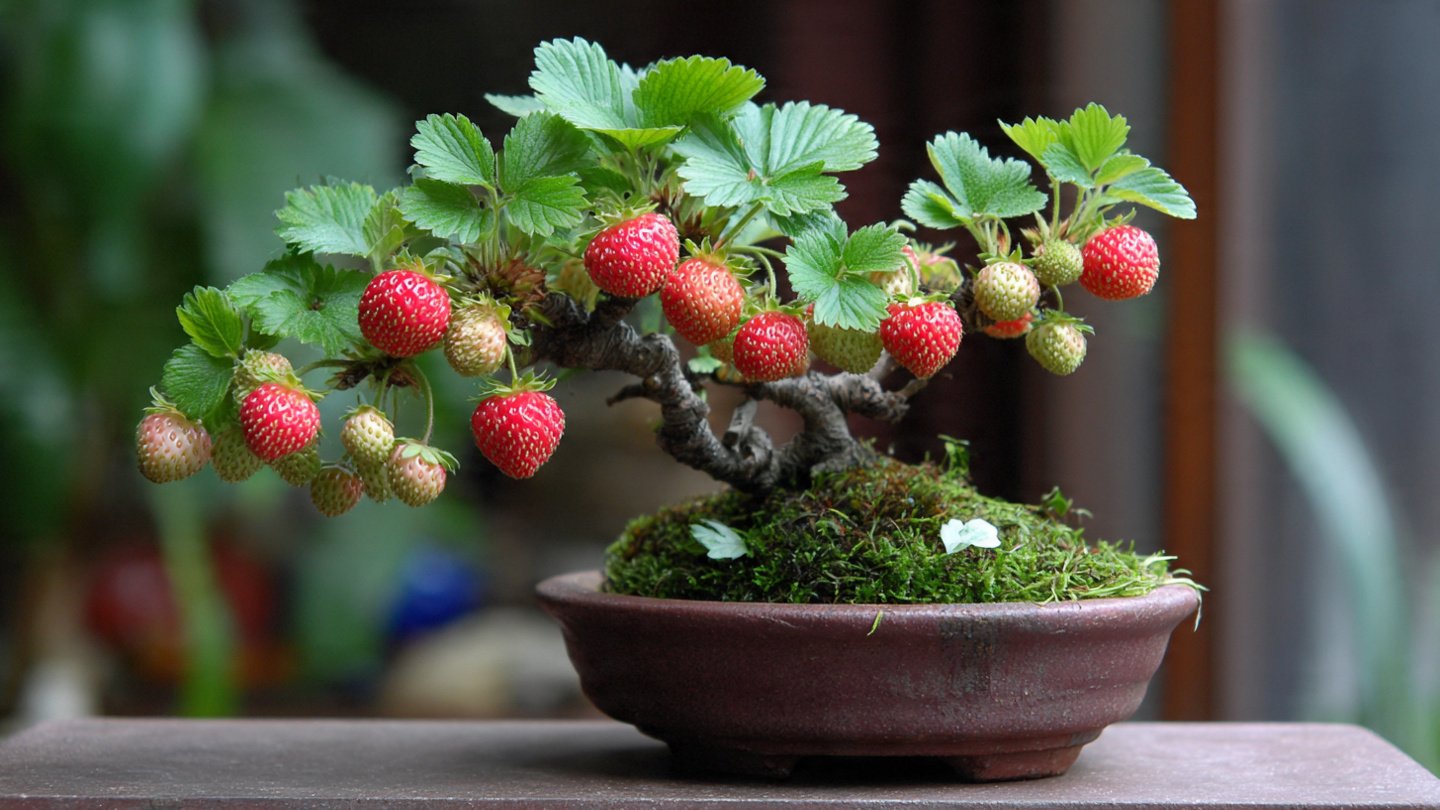
Strawberry bonsai plants combine the elegance of bonsai artistry with the delicious rewards of homegrown strawberries. Compact, vibrant, and aesthetically pleasing, strawberry bonsai plants are perfect for small apartments, balconies, or windowsills, offering both beauty and fresh fruit in a limited space. However, caring for a strawberry bonsai requires understanding its unique needs, including soil, watering, sunlight, pruning, and fertilization, to ensure it thrives year-round.
This ultimate guide will walk you through everything you need to know to successfully grow and maintain a strawberry bonsai at home, providing practical tips for health, fruit production, and long-lasting enjoyment.
Why Choose a Strawberry Bonsai Plant?
Strawberry bonsai plants are more than just decorative:
- Compact Size: Perfect for small homes, apartments, and indoor spaces.
- Aesthetic Appeal: Miniature leaves, flowers, and fruits create a visually captivating display.
- Edible Rewards: Enjoy fresh, juicy strawberries straight from your bonsai.
- Therapeutic Gardening: Bonsai cultivation promotes mindfulness and relaxation.
- Year-Round Growth: With proper care, strawberry bonsai plants can produce fruit multiple times a year.
A strawberry bonsai brings both beauty and practical benefits, making it a rewarding addition to any indoor garden.
Step 1: Selecting the Right Strawberry Variety
Choosing the right strawberry variety ensures your bonsai plant is compact, productive, and suitable for indoor care:
- Alpine Strawberries: Small-fruited, highly aromatic, and ideal for bonsai cultivation.
- Day-Neutral Varieties: Produce fruit continuously throughout the season. Examples include ‘Tristar’ and ‘Albion’.
- Everbearing Varieties: Yield strawberries multiple times per year, perfect for consistent harvests.
Select a variety suited to indoor growth and bonsai pruning techniques for maximum fruiting and aesthetics.
Step 2: Choosing the Perfect Container
Proper container choice is crucial for healthy roots and overall plant growth:
- Size: Use shallow bonsai-style pots with a depth of 4–6 inches, as strawberry roots are compact.
- Material: Ceramic or clay pots are ideal, as they allow airflow and drainage.
- Drainage: Ensure the pot has sufficient drainage holes to prevent waterlogging.
- Aesthetic Appeal: Choose pots that complement the bonsai style, enhancing the plant’s visual impact.
A suitable container encourages healthy root development and maintains the classic bonsai form.
Step 3: Preparing Soil
Strawberry bonsai plants require nutrient-rich, well-draining soil:
- Soil Mix: Combine garden soil, compost, and perlite or sand to improve aeration and drainage.
- pH Level: Slightly acidic soil (pH 5.5–6.5) promotes nutrient uptake and strawberry growth.
- Fertility: Incorporate slow-release organic fertilizer or compost at planting.
Healthy soil provides a strong foundation for vigorous growth, flowering, and fruiting.
Step 4: Planting Your Strawberry Bonsai
Planting carefully ensures long-term health and productivity:
- Root Inspection: Remove damaged or overly long roots from seedlings or small plants before planting.
- Planting Depth: Plant strawberries at the same depth as in their nursery container; avoid burying crowns.
- Spacing: Allow adequate space between multiple plants in the same container to prevent overcrowding.
- Initial Watering: Water thoroughly after planting to settle the soil and encourage root establishment.
Correct planting practices promote strong growth and prevent early plant stress.
Step 5: Providing Adequate Sunlight
Strawberries need sunlight for healthy foliage, flowers, and fruit production:
- Light Requirements: Provide at least 6 hours of direct sunlight daily.
- Indoor Placement: Place your bonsai near south- or west-facing windows for maximum light exposure.
- Artificial Lighting: If natural light is insufficient, supplement with LED grow lights for 8–10 hours daily.
- Rotation: Rotate the pot every week to ensure even growth and prevent leaves from leaning toward the light source.
Proper light ensures strong leaves, healthy flowers, and abundant fruiting.
Step 6: Watering Your Strawberry Bonsai
Water management is critical for maintaining a healthy bonsai:
- Frequency: Water when the top 1 inch of soil feels dry, ensuring soil remains evenly moist but not waterlogged.
- Method: Water at the base to avoid wetting leaves, which can promote fungal diseases.
- Humidity: Strawberries prefer moderate humidity; misting occasionally can prevent leaf drying.
- Drainage Check: Always ensure excess water drains freely from the container to avoid root rot.
Balanced watering encourages lush foliage and juicy fruit production.
Step 7: Fertilizing for Fruit and Growth
Proper nutrition is essential for strawberries to flower and produce fruit continuously:
- Frequency: Apply a balanced liquid fertilizer every 2–3 weeks during the growing season.
- Organic Options: Use compost tea, fish emulsion, or worm castings for natural nourishment.
- Potassium-Rich Fertilizer: Promotes flowering and fruiting, ensuring sweet, vibrant strawberries.
- Avoid Over-Fertilization: Excess nitrogen leads to leafy growth at the expense of flowers and fruits.
Regular feeding ensures continuous flowering, strong growth, and bountiful harvests.
Step 8: Pruning and Bonsai Shaping
Pruning maintains bonsai form and encourages healthy growth:
- Remove Dead Leaves: Trim yellow or damaged leaves to prevent disease.
- Flower and Runner Management: Remove excess runners unless you want to propagate new plants.
- Shape the Bonsai: Prune foliage carefully to maintain the miniature, sculpted appearance typical of bonsai.
- Promote Fruit Production: Focus pruning on encouraging flowering shoots rather than overproducing leaves.
Proper pruning maintains a healthy, aesthetically pleasing bonsai and maximizes fruiting.
Step 9: Flowering and Pollination
Indoor strawberry bonsai may require assistance for successful fruiting:
- Pollination: Hand-pollinate flowers using a soft brush or cotton swab to transfer pollen from one flower to another.
- Flower Timing: Flowers appear in spring or early summer; some varieties bloom multiple times per year.
- Temperature: Maintain daytime temperatures around 65–75°F (18–24°C) and slightly cooler nights for optimal flowering.
Hand pollination ensures fruit development even in the absence of natural pollinators indoors.
Step 10: Pest and Disease Management
Strawberry bonsai plants are relatively resistant but can still encounter issues:
- Common Pests: Aphids, spider mites, and whiteflies. Control using neem oil or insecticidal soap.
- Fungal Problems: Powdery mildew and leaf spot can develop in humid or overcrowded conditions.
- Prevention: Ensure proper airflow, avoid overhead watering, and remove diseased leaves promptly.
Regular inspection and preventative care keep your bonsai healthy and productive.
Step 11: Harvesting Your Strawberries
Proper harvesting ensures flavor and encourages future fruiting:
- Timing: Pick strawberries when fully red, firm, and aromatic.
- Method: Gently pinch or cut fruit from the plant to avoid damaging stems.
- Continuous Harvest: Frequent picking encourages the plant to produce more flowers and fruits.
- Storage: Eat fresh, or refrigerate for short-term storage.
Careful harvesting maximizes both flavor and plant health.
Additional Tips for a Thriving Strawberry Bonsai
- Succession Planting: Plant multiple small bonsai to stagger harvests for year-round supply.
- Fertilize Lightly in Winter: Reduce feeding in colder months when growth slows.
- Rotate Pots: Move bonsai to ensure even light exposure on all sides.
- Repot When Necessary: Refresh soil every 2–3 years to maintain fertility and root health.
- Decorative Touch: Combine bonsai with small decorative stones or moss to enhance aesthetic appeal.
These strategies enhance both growth and visual beauty of your strawberry bonsai.
Final Thoughts
Caring for a strawberry bonsai at home combines the beauty of bonsai artistry with the joy of growing fresh, flavorful fruit. By selecting the right variety, providing optimal light, watering and fertilizing properly, pruning effectively, and monitoring for pests and diseases, you can cultivate a healthy, productive, and visually striking plant.
A strawberry bonsai is more than a decorative plant; it’s a source of fresh fruit, a calming hobby, and a living piece of art that can thrive on a windowsill, balcony, or small indoor garden. With patience, consistency, and attention to detail, your strawberry bonsai will reward you with vibrant foliage, fragrant flowers, and delicious strawberries year after year.