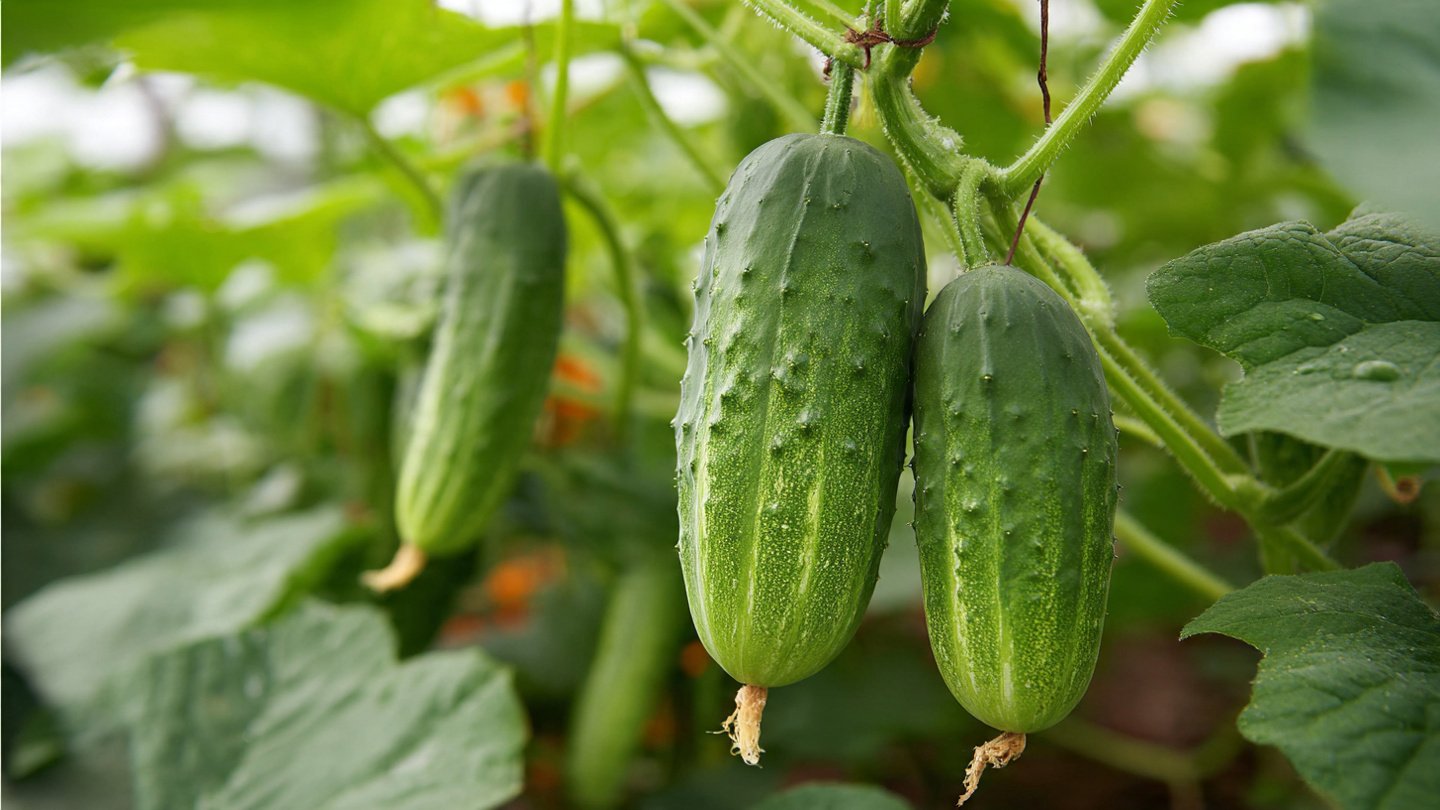
Cucumbers are a staple in salads, pickles, and refreshing summer drinks, but many home gardeners struggle to grow them successfully. With the right technique, growing cucumbers at home can be surprisingly easy, even for beginners. In this guide, we’ll explore a simple, proven trick that ensures crisp, juicy cucumbers, maximizes yield, and keeps your plants healthy throughout the season.
Why Grow Cucumbers at Home?
Growing cucumbers at home comes with a host of benefits:
- Freshness: Homegrown cucumbers are crisp and flavorful, far superior to store-bought ones.
- Nutritional value: Cucumbers retain more vitamins and minerals when harvested fresh.
- Cost-effective: Save money by growing a continuous supply at home.
- Chemical-free: You control what goes on your plants, avoiding harmful pesticides.
- Satisfaction: Harvesting your own produce is rewarding and educational.
Even if you have limited space, cucumbers are adaptable and can thrive in containers, raised beds, or small garden plots.
The Secret Trick: Vertical Growing
The surprisingly easy trick that guarantees success is vertical cucumber growing. Cucumbers naturally climb, so providing vertical support has multiple advantages:
- Saves space for small gardens or balconies
- Improves air circulation, reducing fungal diseases
- Keeps fruits clean and straight
- Makes harvesting easier
You don’t need fancy equipment—bamboo sticks, trellises, or even strings work perfectly.
Choosing the Right Cucumber Variety
Selecting a variety suited to your climate and growing conditions increases your success rate:
- Bush varieties: Ideal for containers and small spaces (e.g., ‘Bush Champion’).
- Vining varieties: Perfect for trellises or vertical gardens (e.g., ‘Marketmore 76’).
- Pickling cucumbers: Small, firm fruits suitable for jars and salads.
- Slicing cucumbers: Large, crisp fruits for fresh consumption.
Check local seed suppliers for varieties adapted to your region.
Preparing Soil and Containers
Healthy cucumbers start with healthy soil. Cucumbers prefer:
- Loose, well-draining soil
- Rich in organic matter
- Slightly acidic to neutral (pH 6.0–7.0)
For containers, choose large pots (10–15 liters) and fill them with a mix of garden soil, compost, and coco peat or perlite for aeration.
Tip: Adding a layer of compost at planting time boosts nutrients and encourages vigorous growth.
Planting Cucumbers
From Seeds:
- Soak seeds for 12–24 hours to improve germination.
- Plant seeds 1–2 cm deep in soil.
- Space seeds 30–45 cm apart for bush varieties; 60–90 cm for vines.
- Keep soil consistently moist until seedlings emerge (7–10 days).
From Seedlings:
- Transplant seedlings when they have 2–3 true leaves.
- Handle roots gently and plant at the same depth as in the nursery tray.
Tip: Vertical support should be ready before planting so vines can climb immediately.
Watering and Feeding
Cucumbers require consistent moisture to thrive and produce juicy fruits.
- Water deeply 2–3 times per week, more often in hot, dry weather.
- Avoid wetting leaves excessively to prevent fungal infections.
- Mulch around the base to retain moisture and regulate soil temperature.
Fertilization:
- Use organic compost every 2–3 weeks.
- Apply a balanced liquid fertilizer (NPK 10:10:10) during flowering and fruiting.
- Reduce nitrogen after flowering to avoid excessive leaf growth at the expense of fruit development.
Supporting and Training the Vines
- Tie vines loosely to trellis or strings using soft ties.
- Train the main vine upward and pinch side shoots as necessary to focus energy on fruit production.
- For small spaces, vertical growth can allow multiple plants in a compact area.
Proper support prevents fruits from lying on the ground, which keeps them cleaner and straighter.
Pollination: Ensuring Fruit Set
Cucumbers have male and female flowers on the same plant. Bees or manual pollination are essential for fruit production.
Hand pollination:
- Identify male flowers (long stem) and female flowers (small swelling at base).
- Transfer pollen from male to female using a soft brush or cotton swab.
- Pollinate in the morning for best results.
Proper pollination ensures more fruit and reduces misshapen cucumbers.
Harvesting Cucumbers
Cucumbers grow fast and should be harvested regularly:
- Check daily during peak season.
- Pick fruits when they reach the recommended size for their variety (usually 15–25 cm for slicing types).
- Use a sharp knife or scissors to avoid damaging the vine.
- Regular harvesting encourages continuous production.
Tip: Leaving cucumbers on the vine too long can reduce yield and cause bitterness.
Common Problems and Solutions
- Powdery mildew: Avoid wetting leaves and provide airflow; neem oil can help.
- Aphids: Spray with water or neem oil to control.
- Yellow leaves: Usually caused by overwatering, poor drainage, or nutrient deficiency. Adjust care accordingly.
- Vine rot: Ensure proper drainage and remove affected plants promptly.
Preventive care is easier than curing problems after they appear.
Maximizing Yield
- Limit fruits per vine to 4–6 at a time to encourage larger, sweeter cucumbers.
- Use trellises to maximize vertical space.
- Pinch off early side shoots to concentrate energy on main vine growth.
- Rotate crops yearly to reduce soil-borne disease.
With these strategies, you can enjoy a high yield from even a small balcony or garden plot.
Growing Cucumbers in Containers
Even without a garden, cucumbers thrive in pots if you follow these steps:
- Choose a pot at least 40 cm deep with drainage holes.
- Use rich, light soil mix for fast growth.
- Provide trellis support.
- Ensure regular watering and fertilization.
Container cucumbers are perfect for urban gardeners seeking fresh produce in limited space.
Final Thoughts
Growing cucumbers at home doesn’t need to be complicated. By using vertical growing techniques, proper watering, feeding, and timely harvesting, even beginner gardeners can enjoy crisp, juicy cucumbers throughout the season.
This surprisingly easy trick—growing cucumbers vertically with adequate support—saves space, prevents disease, and encourages straight, healthy fruits. With consistent care, patience, and attention, your home garden can yield cucumbers that taste far superior to store-bought ones and provide a continuous harvest for your salads, pickles, and summer drinks.
Once you try this simple method, you’ll wonder why you ever bought cucumbers from the store—homegrown freshness and flavor are unbeatable.