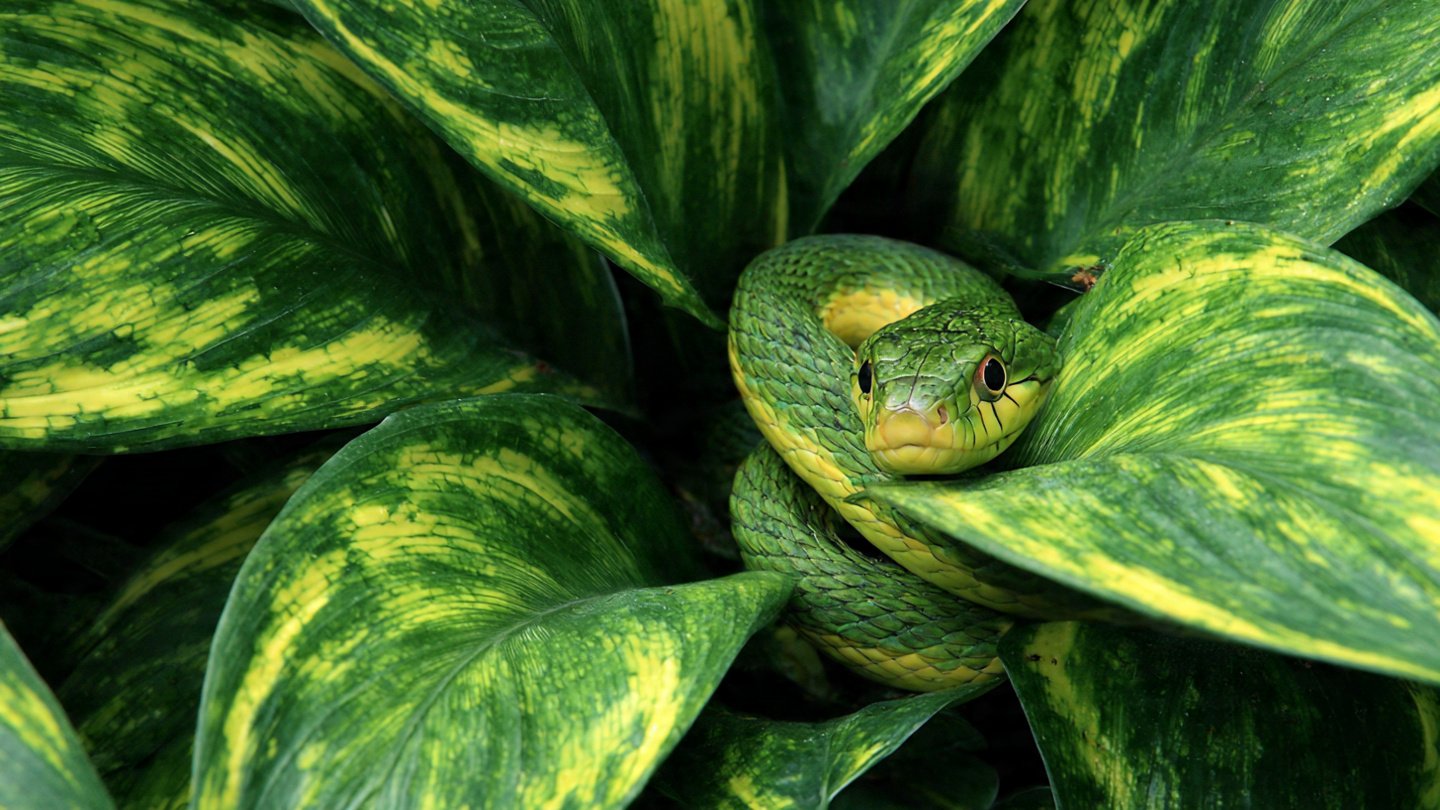
Gardens are meant to be safe, relaxing spaces filled with flowers, vegetables, and the soothing hum of nature. However, not all plants are garden-friendly in every sense. Some species can inadvertently attract unwanted visitors, including snakes. One particular plant has gained a notorious reputation among gardeners: its lush foliage, dense shade, and ground cover make it a perfect hideout for these slithering reptiles. Understanding which plant attracts snakes, why it does so, and what alternatives you can use is crucial for maintaining a safe and snake-free garden.
The Dangerous Appeal: Why Certain Plants Attract Snakes
Snakes are cold-blooded reptiles that rely on their environment for survival. They seek areas that provide:
- Shelter: Dense foliage or thick ground cover offers protection from predators and harsh weather.
- Prey Abundance: Gardens that attract rodents, frogs, or insects naturally lure snakes.
- Temperature Regulation: Shade and moist areas allow snakes to regulate their body temperature.
- Camouflage: Plants with tall, dense leaves help snakes hide from both predators and humans.
A plant that ticks all these boxes unintentionally becomes a haven for snakes. One of the most notorious examples is elephant ears (Colocasia spp.) and other large, broad-leaved tropical plants. While beautiful, their dense, shady growth near moist soil attracts snakes seeking shelter and prey.
Elephant Ears: The Snake Magnet
Elephant ears are popular ornamental plants because of their dramatic, oversized leaves and tropical appearance. However, their features make them ideal hiding spots for snakes:
- Large Leaves: Provide excellent cover, concealing even sizable snakes.
- Dense Clumps: Multiple plants growing close together create labyrinth-like hiding spots.
- Moist Soil: Often grown in moist or shaded areas, which is attractive to frogs, insects, and rodents—the snake’s natural prey.
- Year-Round Cover: In regions where the plant remains evergreen, it offers shelter throughout the year, increasing snake presence.
Gardeners who planted elephant ears often report finding snakes under the leaves or slithering through the clumps, particularly during warmer months.
Other Plants That Attract Snakes
While elephant ears are a prime example, several other plants can unintentionally lure snakes:
- Tall Ornamental Grasses: Pampas grass, fountain grass, and miscanthus form dense, sheltering clumps.
- Ground Cover Plants: Pachysandra, ivy, and vinca create thick mats perfect for hiding.
- Bamboo Clumps: Dense bamboo thickets provide shade, moisture, and concealment.
- Unmanaged Shrubs: Overgrown or unpruned shrubs offer hiding places and attract small animals, indirectly luring snakes.
The common factor among these plants is dense foliage and proximity to water or prey, creating an ideal habitat for snakes.
How Snakes Affect Your Garden
While many snakes are harmless and even beneficial, attracting them can pose risks:
- Safety Concerns: Venomous snakes like rattlesnakes, copperheads, or vipers may be attracted to these habitats, increasing the risk of bites.
- Garden Disruption: Snakes may prey on small birds, eggs, or beneficial reptiles.
- Rodent Control Trade-Off: While snakes control rodents, their presence may cause fear and stress, especially for families with children or pets.
- Unwanted Surprises: Discovering a snake while weeding or harvesting can be startling and dangerous.
Understanding these risks helps gardeners make informed decisions about which plants to grow.
Preventing Snake Infestations in the Garden
Avoiding snake-friendly plants is the first step, but several other strategies can reduce snake presence:
1. Garden Maintenance
- Keep grass and ground cover trimmed.
- Remove tall weeds, overgrown shrubs, and dense mulch piles.
- Clear debris like logs, rocks, and leaf litter where snakes can hide.
2. Water Management
- Avoid standing water and soggy soil near ornamental plants.
- Use proper drainage systems for potted plants and garden beds.
3. Rodent Control
- Keep the garden free of rodent attractants like uncovered compost or pet food.
- Consider natural rodent deterrents such as owl boxes or companion planting.
4. Physical Barriers
- Use mesh or garden fencing to prevent snakes from entering critical areas.
- Raised beds with clear visibility discourage snakes from hiding underneath.
5. Plant Selection
- Opt for open, sun-loving plants rather than dense, shady species.
- Prune shrubs to reduce thick cover.
- Avoid clumping plants that grow close to the ground or retain moisture.
Safe Alternatives to Dense, Snake-Attracting Plants
For gardeners who love tropical aesthetics or lush greenery, there are alternatives that reduce snake hiding spots:
- Hostas: While offering large leaves, hostas grow more openly and do not trap moisture as much as elephant ears.
- Daylilies: Low-maintenance, colorful flowers with less dense cover.
- Lavender and Rosemary: These herbs grow upright, provide pleasant scents, and are less attractive to rodents and snakes.
- Compact Ornamental Shrubs: Boxwood, dwarf azaleas, or small hydrangeas maintain visual appeal without dense cover.
By choosing these alternatives, gardeners can maintain beauty while reducing the risk of snakes.
Early Detection and Safe Removal
If you already have snake-attracting plants in your garden, early detection and safe removal are key:
- Regular Inspections: Check under leaves, behind plant clumps, and in dense ground cover.
- Tools: Use long garden tools like trowels or rakes to probe areas safely.
- Snake Relocation Services: For venomous snakes or unsure handling, call professional wildlife control.
- Protective Clothing: Wear gloves, boots, and long sleeves while inspecting dense plant areas.
Prompt action prevents small infestations from growing into larger, more dangerous situations.
Educating Family Members
Families, especially those with children, should be aware of the risks associated with certain garden plants:
- Teach children not to reach into dense foliage or piles of leaves.
- Explain which plants are safer to interact with.
- Keep pets away from areas where snakes may hide.
Education reduces accidents and ensures everyone enjoys the garden safely.
Balancing Aesthetics with Safety
Gardeners often face a dilemma: lush greenery looks beautiful but may attract snakes. The solution is balance:
- Mix open spaces with decorative plants.
- Limit dense ground cover and remove plants that grow in thick clumps.
- Incorporate visual barriers like low fences or decorative rocks to discourage snakes.
By balancing aesthetics with practical safety measures, your garden can remain both beautiful and safe.
Conclusion
While gardens are meant to be peaceful and productive, certain plants can unintentionally attract snakes. Elephant ears, dense grasses, ground cover plants, and overgrown shrubs provide shelter, moisture, and prey for snakes, turning a tranquil space into a potential hazard.
To prevent snakes from invading your garden:
- Avoid planting dense, moisture-retaining, or clumping species.
- Maintain garden hygiene through pruning, debris removal, and proper watering.
- Choose snake-safe alternatives such as daylilies, lavender, or dwarf shrubs.
- Educate family members about safe interaction with plants and garden areas.
- Monitor and remove snake-friendly habitats proactively.
By understanding why certain plants attract snakes and taking preventative action, gardeners can create a beautiful backyard that remains safe, snake-free, and enjoyable for both family and pets. Your choice of plants can be the difference between a serene garden and one that harbors unwanted slithering visitors.