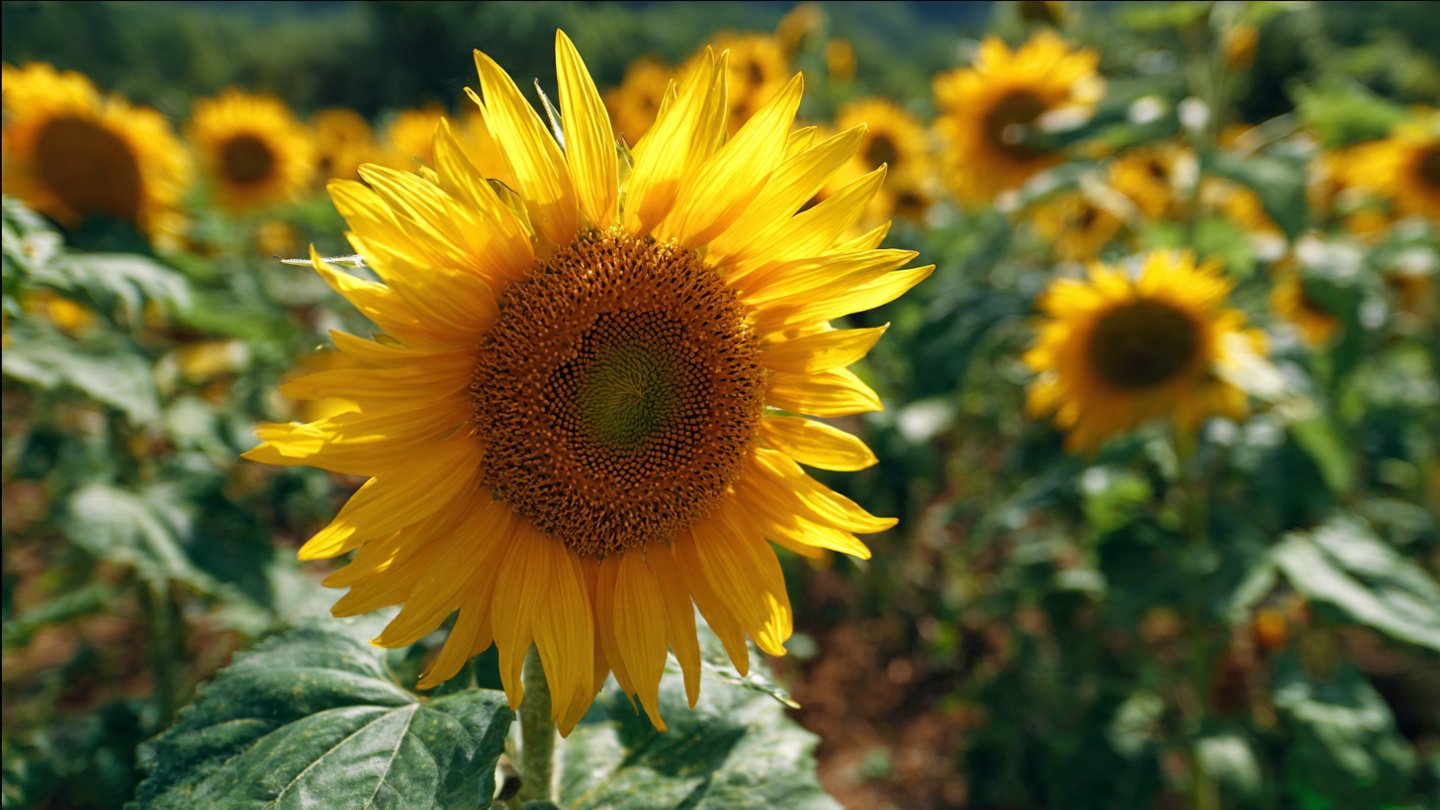
Few garden sights are as striking as a towering sunflower swaying gently in the breeze. Their golden petals, impressive height, and cheerful disposition make them a favorite among gardeners, both novice and experienced. But achieving truly giant sunflowers requires more than just sunlight and water—it starts with a crucial decision long before planting: choosing the right seeds. In particular, selecting larger seeds can make a remarkable difference in your sunflower’s growth potential. Let’s explore how seed size impacts sunflower development and how to maximize your chances of growing these magnificent giants.
1. Why Seed Size Matters
Sunflowers are unique in that the size of the seed often correlates with the potential size of the mature plant. Larger seeds generally contain more stored energy in the form of nutrients, which provides a strong start for seedlings. This energy allows the plant to establish robust roots, grow taller, and produce larger leaves and flower heads.
Key advantages of bigger seeds include:
- Faster germination: Larger seeds sprout more quickly and uniformly.
- Stronger early growth: They develop sturdier stems and root systems.
- Higher yield potential: Giant sunflower varieties benefit more from a large, nutrient-rich seed.
Simply put, if your goal is a truly towering sunflower, start with a seed that has the potential to match.
2. Understanding Sunflower Varieties
Before choosing seeds, it’s important to know which sunflower varieties are capable of reaching impressive heights. Some common giant sunflower types include:
- Mammoth Sunflower: Can grow over 12 feet tall, with blooms up to 12 inches wide.
- Russian Giant: Known for robust stems and massive flowers, often used for ornamental and seed harvesting purposes.
- American Giant: Tall and fast-growing, perfect for garden focal points.
Even within these varieties, seed size varies. Selecting the largest, healthiest seeds ensures that your plant starts with the strongest foundation.
3. How Bigger Seeds Support Root Development
A sunflower’s success begins underground. Bigger seeds contain more stored energy, which allows seedlings to develop a strong and extensive root system early on. Healthy roots are crucial because they:
- Anchor the plant to withstand wind.
- Absorb water and nutrients efficiently.
- Support rapid vertical growth.
Without a well-developed root system, even the most sun-filled garden may produce weak, spindly sunflowers. Choosing larger seeds gives your sunflower the energy to develop roots capable of sustaining a towering plant.
4. Early Seedling Growth and Survival
Seedlings grown from larger seeds tend to be more vigorous. They exhibit stronger stems and larger leaves, which allow them to capture more sunlight for photosynthesis. This early advantage sets the stage for sustained growth throughout the season.
Additionally, larger seeds often produce seedlings that are more resilient to stress, including:
- Temperature fluctuations
- Minor drought conditions
- Pest and disease challenges
By giving your sunflower a strong start, larger seeds increase the likelihood of survival and healthy growth even under less-than-perfect garden conditions.
5. Choosing the Right Planting Conditions
While bigger seeds give your sunflower an advantage, environmental conditions still play a significant role. To grow giant sunflowers successfully, consider the following:
- Sunlight: Sunflowers require full sun—at least 6 to 8 hours daily.
- Soil quality: Rich, well-draining soil with added compost or organic matter supports massive growth.
- Spacing: Allow at least 2–3 feet between plants to avoid competition for nutrients and sunlight.
- Watering: Deep, consistent watering promotes strong stems and large flowers, but avoid waterlogging.
Even the largest seed cannot compensate for poor soil, insufficient sunlight, or overcrowding. By combining large seeds with optimal conditions, you maximize growth potential.
6. Planting Tips for Maximum Impact
To harness the full power of bigger seeds, follow these practical planting tips:
- Pre-soak seeds: Soaking seeds in water for 12–24 hours before planting can soften the shell and encourage faster germination.
- Plant deep enough: Plant seeds about 1–2 inches deep to protect them from birds and provide stable growth.
- Thin seedlings: Once seedlings emerge, thin weaker sprouts so that only the strongest plants remain.
- Support growth: Tall sunflowers may benefit from stakes or supports to prevent bending or snapping during wind or rain.
These steps, combined with large, high-quality seeds, set the stage for impressive sunflower growth.
7. Fertilization and Nutrition
Large seeds can kickstart growth, but proper nutrition is essential for sunflowers to reach their maximum potential. Consider these guidelines:
- Nitrogen-rich soil: Supports leaf and stem development in early stages.
- Phosphorus and potassium: Encourage strong roots and flowering.
- Organic fertilizers: Compost or aged manure improves soil structure and long-term nutrient availability.
Regular feeding, especially during the peak growth period, ensures that your sunflower fulfills its giant potential.
8. Protecting Your Sunflowers
Even giant sunflowers can face threats. Protect your investment by:
- Watching for pests: Aphids, caterpillars, and sunflower beetles can damage young leaves. Use natural remedies like neem oil or insecticidal soap.
- Preventing disease: Good air circulation and proper spacing reduce fungal infections.
- Supporting heavy blooms: As flowers mature, the weight of the bloom can cause tall stems to bend. Use stakes or garden supports for stability.
Healthy, well-supported plants are more likely to achieve maximum height and bloom size.
9. Harvesting and Enjoying Giant Sunflowers
Giant sunflowers are not just ornamental—they can also be a source of seeds for snacks or planting next season.
- For seeds: Allow flowers to mature fully; seeds should be plump and firm.
- For display: Harvest cut flowers early in the morning for maximum vase life.
- For photos and enjoyment: Tall sunflowers create natural garden focal points and photo-worthy backdrops.
Choosing large seeds from the start ensures that you not only grow impressive plants but also enjoy the full benefits of their size and productivity.
10. Why Bigger Seeds Are the Secret Weapon
In essence, bigger seeds provide a strong head start that translates into taller, healthier, and more robust sunflowers. While care, soil, sunlight, and water are essential, the foundation starts with selecting seeds with the best potential.
Think of it like building a skyscraper: no matter how skilled the architect or crew, a solid foundation is critical. Large, nutrient-rich seeds are that foundation for giant sunflowers, giving them the energy and resilience to reach extraordinary heights.
Conclusion
Growing giant sunflowers is both an art and a science. From selecting the right variety to providing optimal growing conditions, every decision affects the final outcome. Among these factors, seed size plays a surprisingly influential role. Bigger seeds offer more energy for roots, stronger stems, bushier leaves, and ultimately, larger blooms.
By choosing large, healthy seeds, planting them correctly, and nurturing them with sunlight, water, and nutrients, you can turn your garden into a showcase of towering, golden beauty. Giant sunflowers aren’t just a dream—they’re an achievable result with the right approach. And it all begins with picking the right seed.