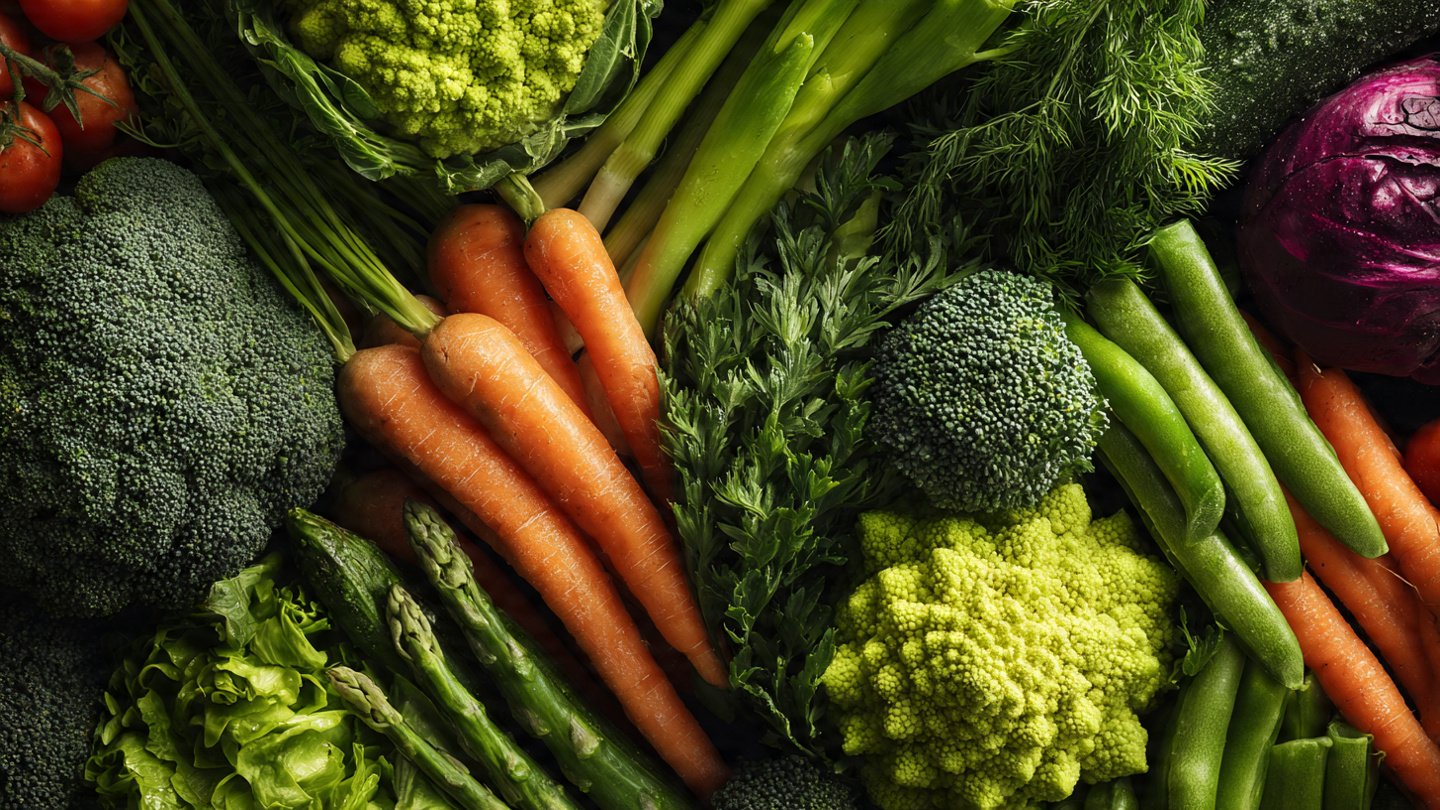
In today’s fast-paced world, fresh vegetables are considered the cornerstone of a healthy diet. Rich in vitamins, minerals, and fiber, they play a crucial role in maintaining overall well-being. Yet, what most people fail to realize is that many vegetables reaching our tables are not as pure as they appear. Hidden beneath the vibrant colors and crisp textures are chemicals—pesticides, herbicides, and preservatives—that may pose health risks. Understanding these chemicals, their sources, and ways to minimize exposure is essential for anyone who values health and safety.
Understanding the Chemicals on Vegetables
Vegetables are often treated with a variety of chemicals during cultivation to protect them from pests, diseases, and weeds. The most common chemicals include:
- Pesticides – These are substances used to prevent or eliminate insects, fungi, and other pests that can damage crops. While they protect yields, residues can remain on vegetables if not properly washed or handled.
- Herbicides – Chemicals designed to eliminate weeds that compete with crops for nutrients, water, and sunlight. Traces of these substances may linger on leafy vegetables and roots.
- Fungicides – Applied to prevent mold and fungal infections during growth and storage, particularly on crops like tomatoes and leafy greens.
- Preservatives and wax coatings – Many vegetables, particularly those that are imported, may be coated with wax or chemical preservatives to maintain freshness and extend shelf life.
Even though regulatory agencies like the Food Safety and Standards Authority of India (FSSAI) and the U.S. Environmental Protection Agency (EPA) set limits for safe chemical residues, frequent exposure—especially over many years—can still be a concern.
Health Risks Associated with Chemical Residues
The presence of chemical residues on vegetables is not merely a theoretical issue. Long-term exposure can have potential health effects:
- Endocrine Disruption: Some chemicals interfere with the body’s hormone balance, potentially affecting growth, metabolism, and reproductive health.
- Neurological Effects: Certain pesticides, when consumed in large amounts over time, may impact the nervous system, leading to cognitive and motor skill challenges.
- Cancer Risk: Some chemical residues have been linked to increased cancer risks, particularly when exposure accumulates over decades.
- Allergic Reactions: Some individuals may develop sensitivities or allergies to chemical residues, causing skin reactions, respiratory issues, or digestive discomfort.
Children are particularly vulnerable, as their bodies are still developing, making exposure to chemical residues a greater concern.
Which Vegetables Are Most at Risk?
Not all vegetables carry the same level of chemical residues. According to studies and consumer reports:
- High-risk vegetables: Leafy greens like spinach, lettuce, and cabbage, as well as bell peppers and cucumbers, tend to have higher pesticide residues.
- Moderate-risk vegetables: Root vegetables such as carrots and potatoes can carry residues, although peeling may reduce risk.
- Lower-risk vegetables: Onions, garlic, and corn are typically less affected due to their protective layers or natural resistance to pests.
Knowing which vegetables are most likely to carry residues can help consumers make informed choices.
How to Minimize Exposure to Chemicals
Even if you cannot control how your vegetables are grown, there are several strategies to reduce your exposure to harmful chemicals:
- Wash Thoroughly: Rinse vegetables under running water and scrub firm vegetables like carrots and cucumbers. This removes surface residues.
- Soak in Salt or Baking Soda Solution: Studies show that soaking vegetables in a solution of water with a small amount of salt or baking soda can help remove more pesticide residues than water alone.
- Peel When Possible: Peeling root vegetables and thick-skinned produce like cucumbers and apples can eliminate residues that linger on the surface.
- Buy Organic When Affordable: Organic vegetables are grown with stricter regulations regarding pesticide use. While not entirely chemical-free, they generally have lower residue levels.
- Grow Your Own: Home gardening allows full control over what chemicals come into contact with your vegetables. Even a small balcony garden can yield fresh, safe produce.
Organic vs. Conventional: Is It Worth the Switch?
Organic vegetables have gained popularity due to concerns over chemical residues. Organic farming prohibits synthetic pesticides, herbicides, and fertilizers. However, it’s important to understand:
- Lower Risk, Not Zero Risk: Organic produce may still carry natural pesticides or contaminants from soil and water.
- Cost Factor: Organic vegetables are often more expensive, which can be a limiting factor for many families.
- Nutritional Value: Studies show that organic vegetables are generally comparable in nutrition to conventional ones. The main advantage lies in reduced chemical exposure.
Deciding between organic and conventional vegetables depends on individual priorities, budget, and access to fresh produce.
Practical Tips for Safe Vegetable Consumption
Beyond washing and peeling, integrating practical habits into daily routines can significantly reduce chemical intake:
- Diversify Your Diet: Rotate vegetables and consume a variety of types to minimize consistent exposure to a single type of residue.
- Cook When Appropriate: Boiling or steaming vegetables can reduce certain pesticide residues, though some water-soluble nutrients may be lost.
- Use a Vegetable Brush: Especially for firm vegetables, a dedicated brush can remove stubborn residues that rinsing alone cannot.
- Stay Informed: Check consumer reports and local alerts about vegetable contamination or pesticide recalls in your region.
The Role of Awareness and Policy
While personal precautions are essential, awareness and advocacy also play a role. Governments and regulatory bodies must monitor pesticide use, enforce residue limits, and ensure proper labeling of produce. Consumers, in turn, should demand transparency and support practices that prioritize health and safety.
Conclusion
Vegetables are indispensable for a balanced diet, but the hidden presence of chemicals is a reality we cannot ignore. By understanding the types of chemicals used, their potential health impacts, and practical ways to reduce exposure, consumers can enjoy the nutritional benefits of vegetables while protecting their health. Simple steps—like washing thoroughly, peeling, diversifying your diet, or choosing organic—can make a significant difference.
Ultimately, the key lies in being informed and proactive. Vegetables should nourish, not harm, and with conscious choices, we can reclaim the safety and purity that our plates deserve. The hidden truth about chemicals is no longer a mystery—it’s a call to action for smarter, safer eating.