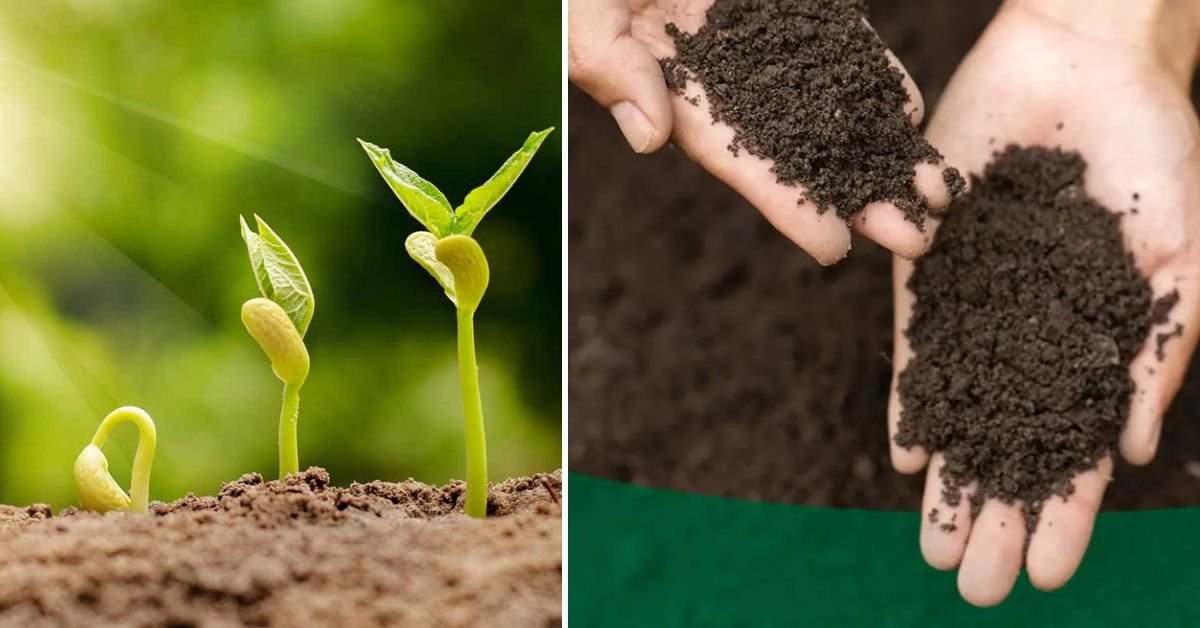
Every gardener—whether a beginner or an experienced plant lover—dreams of faster-growing, healthier, and more productive plants. Watching seeds sprout quickly, leaves turn lush green, and flowers or fruits appear sooner is deeply satisfying. The good news is that plants naturally want to grow; they simply need the right conditions. By understanding and applying a few proven principles, you can significantly speed up plant growth while keeping them strong and disease-free.
This comprehensive guide explains the best method to grow almost any plant faster, focusing on soil health, water management, nutrition, sunlight, and simple care techniques that work for vegetables, fruits, flowers, and indoor plants alike.
Understanding How Plants Grow
Before trying to speed up growth, it’s important to understand what plants need. All plants rely on five basic factors:
- Healthy roots
- Nutrient-rich soil
- Adequate water
- Proper sunlight
- Good airflow and temperature
If even one of these is missing or poorly managed, growth slows down. Faster growth doesn’t mean forcing plants unnaturally—it means removing obstacles so plants can reach their full potential.
Step 1: Build Living, Nutrient-Rich Soil
Healthy soil is the foundation of fast plant growth. Plants absorb nutrients through their roots, so poor soil always results in slow growth.
How to Improve Soil Quickly
- Mix garden soil with organic compost or vermicompost
- Add well-rotted cow dung or leaf compost
- Ensure soil is loose and well-draining, not compacted
Organic matter improves soil structure, increases beneficial microbes, and makes nutrients readily available to roots. This alone can dramatically increase growth speed.
Tip: Avoid using only chemical fertilizers. While they give quick results, they weaken soil health over time.
Step 2: Focus on Strong Root Development
Fast-growing plants always start with strong roots. Weak roots mean weak growth above the soil.
Ways to Encourage Root Growth
- Use deep containers instead of shallow ones
- Avoid frequent transplanting
- Water deeply but less often to encourage roots to grow downward
- Add natural root boosters like compost tea
Healthy roots absorb more water and nutrients, leading to faster leaf, flower, and fruit production.
Step 3: Water the Right Way (Not More, Not Less)
Many gardeners believe more water equals faster growth—but this is one of the biggest mistakes.
Correct Watering Method
- Water when the top inch of soil feels dry
- Water deeply so moisture reaches the roots
- Avoid daily shallow watering
Overwatering suffocates roots and causes rot, while underwatering stresses plants. Balanced watering keeps roots active and growth continuous.
Step 4: Maximize Sunlight Exposure
Sunlight is the main energy source for plants. Without enough light, no amount of fertilizer will help.
Sunlight Guidelines
- Most plants need 6–8 hours of direct sunlight daily
- Leafy greens tolerate partial shade
- Flowering and fruiting plants need full sun
If growing indoors or on balconies, place plants near bright windows or rotate pots weekly to ensure even light exposure.
Step 5: Feed Plants Smartly and Regularly
Plants need nutrients throughout their life cycle, especially during active growth.
Best Feeding Practices
- Apply organic compost every 2–3 weeks
- Use liquid feeds like compost tea or diluted vermiwash
- Increase potassium-rich feeds during flowering and fruiting
Instead of feeding heavily once, feed lightly but consistently. This provides a steady nutrient supply and prevents growth shocks.
Step 6: Pruning and Pinching for Faster Growth
It may seem strange, but cutting parts of a plant often makes it grow faster.
Why Pruning Works
- Removes weak or dead growth
- Redirects energy to healthy shoots
- Encourages branching and bushier growth
Pinching the tips of herbs and flowering plants promotes side shoots, leading to faster and fuller growth overall.
Step 7: Improve Airflow and Spacing
Crowded plants compete for light, nutrients, and air, which slows growth and increases disease risk.
Simple Spacing Tips
- Avoid overcrowding pots and beds
- Maintain space between plants for airflow
- Trim excess foliage if plants become too dense
Good airflow keeps leaves dry, improves photosynthesis, and reduces pest problems—all of which support faster growth.
Step 8: Maintain the Right Temperature
Temperature plays a crucial role in plant metabolism.
- Warm-season plants grow fastest between 20–35°C
- Cool-season plants prefer 10–25°C
- Protect plants from extreme heat or cold
Using mulch helps regulate soil temperature, keeping roots comfortable and active.
Step 9: Use Mulching to Boost Growth Speed
Mulching is a powerful but often overlooked technique.
Benefits of Mulch
- Retains soil moisture
- Prevents weed competition
- Improves soil fertility as it decomposes
Organic mulches like dry leaves, straw, or grass clippings create a stable environment where plants grow faster with less stress.
Step 10: Keep Pests and Diseases Under Control
Even minor pest damage can slow plant growth significantly.
Preventive Care
- Inspect plants weekly
- Remove damaged leaves early
- Use neem oil or mild soap sprays if needed
Healthy, pest-free plants grow faster because they don’t waste energy on stress and recovery.
Common Mistakes That Slow Plant Growth
Avoid these common errors if you want rapid results:
- Overwatering or underwatering
- Using poor-quality soil
- Over-fertilizing with chemicals
- Ignoring sunlight needs
- Growing plants in undersized containers
Correcting these mistakes often leads to visible improvement within weeks.
How Long Before You See Faster Growth?
When the right conditions are provided, most plants show noticeable improvement within 7–14 days. Leaves become greener, stems grow thicker, and new shoots appear more frequently. Consistency is key—plants respond best to steady, gentle care rather than sudden changes.
Final Thoughts
The best method to grow any plant faster is not a secret fertilizer or shortcut—it’s a balanced system of healthy soil, proper watering, sufficient sunlight, regular feeding, and mindful care. When plants receive exactly what they need, they naturally grow faster, stronger, and more productive.
By applying these simple yet powerful techniques, you can transform slow, struggling plants into thriving, vibrant growers. Whether you’re growing vegetables, fruits, flowers, or indoor plants, this approach works universally and sustainably.