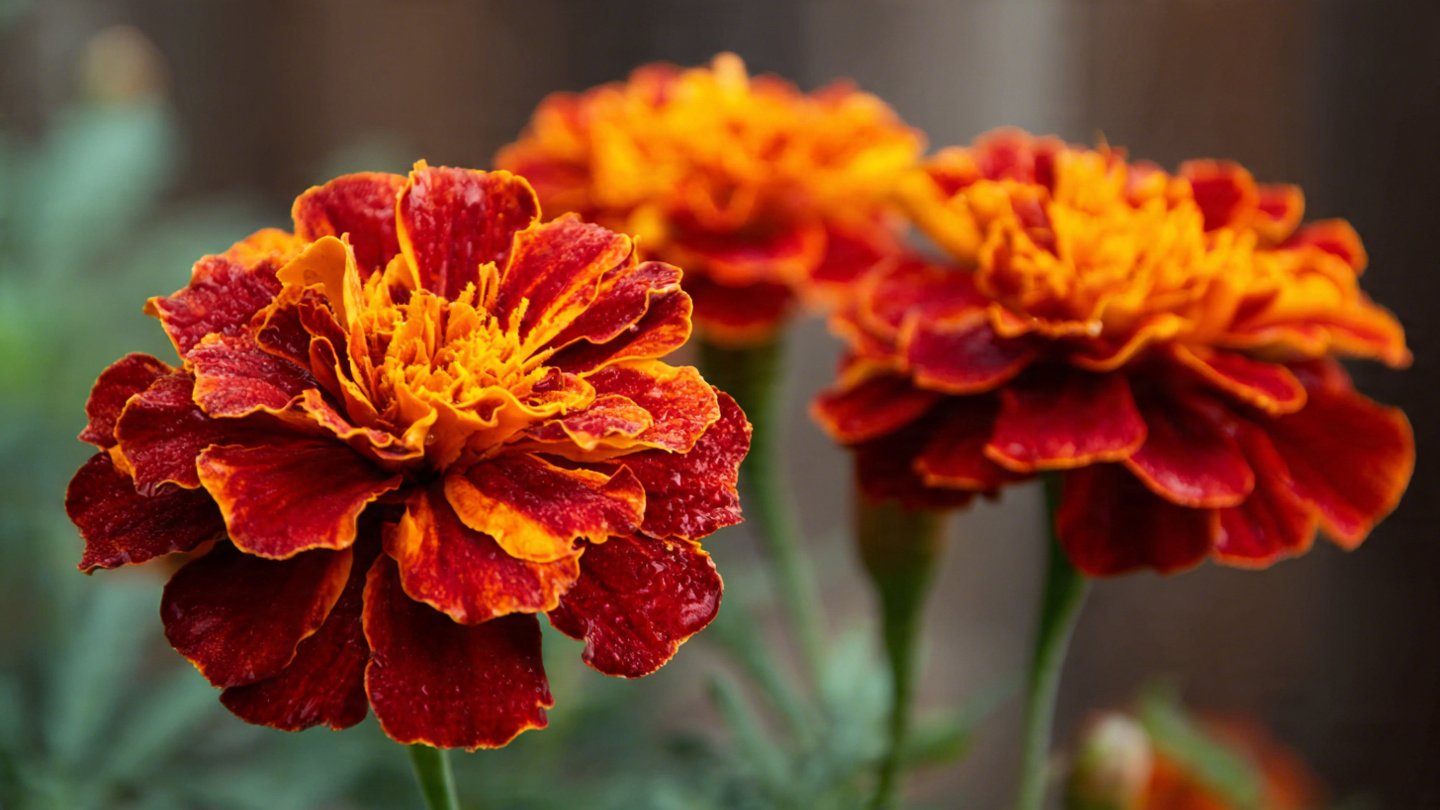
Marigolds are among the most beloved flowers in gardens worldwide. Known for their vibrant orange, yellow, and red hues, they bring warmth, color, and charm to any outdoor space. Beyond their beauty, marigolds offer practical benefits: they repel certain pests, attract pollinators, and are low-maintenance, making them ideal for both beginner and seasoned gardeners. Growing marigolds from seed is particularly rewarding, allowing gardeners to nurture every stage of the plant’s life and enjoy a steady supply of blooms throughout the growing season. This comprehensive guide will walk you through everything you need to know to successfully grow marigolds from seed in your garden.
Step 1: Understanding Marigolds and Their Needs
Before planting, it’s important to understand the type of marigold you want to grow and what conditions they thrive in. There are several varieties, with the most common being:
- African marigolds (Tagetes erecta) – Tall, large blooms, great for garden beds.
- French marigolds (Tagetes patula) – Smaller, bushier plants with a wide range of colors.
- Signet marigolds (Tagetes tenuifolia) – Delicate, small flowers, often used in edible arrangements.
Marigolds are sun-loving plants, thriving in full sunlight for at least 6–8 hours a day. They prefer well-draining soil, as soggy soil can lead to root rot. While marigolds are drought-tolerant, consistent watering during germination and early growth ensures strong seedlings.
Step 2: Gathering Your Materials
To start growing marigolds from seed, you will need a few simple supplies:
- Marigold seeds – Available at garden centers, online, or from last year’s plants. Organic seeds are preferable for a natural garden.
- Seed trays, pots, or containers – Ensure they have drainage holes.
- Seed-starting mix – A light, well-draining soil mix designed for germinating seeds.
- Watering can or spray bottle – To gently moisten soil without displacing seeds.
- Labels or markers – Optional, to keep track of varieties if planting multiple types.
Step 3: Preparing Seeds for Planting
Marigold seeds are easy to sow directly without special treatment, but a little preparation can boost germination rates.
- Inspect the seeds – Discard any damaged or shriveled seeds.
- Optional soaking – Soaking seeds in lukewarm water for 2–4 hours can soften the seed coat and speed germination.
Remember, marigolds are resilient, so even without soaking, most seeds will germinate reliably within 5–10 days.
Step 4: Sowing the Seeds
Sowing marigold seeds properly sets the stage for healthy growth. Here’s the process:
- Fill containers with seed-starting mix – Leave about an inch of space at the top.
- Sow the seeds – Place seeds on the surface and lightly press them into the soil. Cover them with a thin layer of soil, about ¼ inch deep.
- Water gently – Use a spray bottle or fine mist to moisten the soil. Avoid heavy watering that can displace seeds.
- Label the trays – If planting multiple varieties, label the containers to keep track.
Place the trays in a warm, bright location with indirect sunlight. A temperature of 70–75°F (21–24°C) encourages optimal germination.
Step 5: Germination and Early Care
Marigold seeds typically germinate within 5–10 days. During this stage:
- Keep the soil consistently moist – The soil should feel damp, but avoid waterlogging.
- Provide adequate light – Seedlings need bright light to grow strong. If indoors, place trays near a sunny window or use a grow light for 12–16 hours a day.
- Thin seedlings if necessary – Once seedlings develop their first true leaves, thin them to prevent overcrowding. Leave the strongest seedlings about 2–3 inches apart.
During these early weeks, the seedlings are delicate, so avoid sudden temperature changes and drafts.
Step 6: Transplanting Seedlings
After 3–4 weeks, or when seedlings have 2–3 sets of true leaves, they are ready for transplanting.
- Harden off the seedlings – Before planting outdoors, gradually expose them to sunlight and outdoor conditions over 7–10 days. Start with 1–2 hours of morning sun, increasing exposure daily.
- Prepare garden beds or larger containers – Choose a sunny spot with well-draining soil. Enrich the soil with compost or organic fertilizer.
- Plant seedlings – Space African marigolds about 12–18 inches apart and French marigolds about 6–12 inches apart. Dig a hole slightly larger than the root ball, gently place the seedling, and fill in with soil.
- Water carefully – Water immediately after transplanting to help roots settle.
Proper spacing ensures good airflow, reduces the risk of disease, and allows plants to grow full and healthy.
Step 7: Caring for Marigolds
Marigolds are generally low-maintenance, but a few care practices help maximize their bloom and longevity:
- Watering – Water at the base of the plant when the top inch of soil feels dry. Avoid overhead watering to prevent fungal diseases.
- Mulching – Apply a thin layer of mulch around the plants to retain moisture and suppress weeds.
- Fertilization – Marigolds thrive in moderately fertile soil. Too much nitrogen fertilizer may promote foliage growth at the expense of blooms. A balanced fertilizer every 4–6 weeks works well.
- Deadheading – Regularly remove faded flowers to encourage continuous blooming. This also keeps plants looking tidy.
- Pest management – While marigolds repel certain pests, watch for spider mites or aphids. Use organic solutions like neem oil or insecticidal soap if needed.
Step 8: Companion Planting Benefits
One of the unique benefits of growing marigolds in your garden is their pest-repelling properties. Marigolds emit natural compounds that deter nematodes, aphids, whiteflies, and other common pests. Planting marigolds near tomatoes, peppers, cucumbers, or herbs can help protect these crops while attracting beneficial insects like bees and ladybugs. This makes marigolds both ornamental and functional—a win-win for any garden.
Step 9: Harvesting and Enjoying Marigolds
Unlike edible herbs, marigolds are primarily grown for their visual appeal and garden health benefits, but their blooms can also be used in several ways:
- Decorative use – Cut blooms for fresh floral arrangements.
- Edible petals – Some varieties, particularly signet marigolds, have edible petals suitable for salads and garnishes.
- Natural dyes – Marigold flowers can be used to create yellow or orange dyes for fabrics or crafts.
Harvest flowers regularly to keep the plants producing more blooms. Removing old or spent flowers encourages the plant to put energy into producing new ones.
Step 10: Extending the Growing Season
Marigolds bloom throughout the summer and early fall, but you can extend the season with a few tips:
- Sow successive batches – Plant new seeds every 3–4 weeks to ensure continuous flowering.
- Protect from frost – Marigolds are sensitive to frost, so in colder climates, consider using row covers or moving container plants indoors at the first sign of frost.
- Deadheading – As mentioned earlier, this promotes longer flowering periods.
Step 11: Common Mistakes and Troubleshooting
Even though marigolds are hardy, gardeners sometimes face challenges. Here’s how to avoid common mistakes:
- Overwatering – Leads to root rot. Always let the soil dry slightly between waterings.
- Poor sunlight – Without adequate sun, marigolds become leggy and produce fewer flowers.
- Overcrowding – Crowded plants are prone to fungal infections. Thin seedlings early and maintain proper spacing.
- Ignoring pests – While generally pest-resistant, occasional infestations can harm growth. Regular inspection prevents serious damage.
By staying attentive and following best practices, you can maintain healthy, vibrant marigolds all season long.
Step 12: Benefits of Growing Marigolds from Seed
Growing marigolds from seed, rather than purchasing mature plants, has several advantages:
- Cost-effective – A packet of seeds can produce dozens of plants at a fraction of the cost of buying nursery-grown seedlings.
- Variety selection – You have access to a wider variety of colors, sizes, and bloom types.
- Satisfaction – Watching a plant grow from seed to flower is incredibly rewarding.
- Continuous supply – By sowing successive batches, you can ensure marigolds are always blooming in your garden.
Conclusion
Marigolds are not only beautiful, but they are also practical, resilient, and easy to grow from seed. With the right preparation, sunlight, and care, you can cultivate vibrant marigold flowers that enhance the beauty and health of your garden. From selecting the perfect seeds to harvesting blooms and reaping the benefits of pest control, growing marigolds is a fulfilling gardening experience suitable for beginners and experts alike.
By following this comprehensive guide, you can enjoy a colorful, low-maintenance garden filled with cheerful marigolds that bloom continuously throughout the season. Whether for decoration, natural pest control, or edible petals, marigolds grown from seed provide a versatile, rewarding addition to any garden. Start today, and in a few weeks, you’ll see the first tiny sprouts emerge, marking the beginning of a bright and beautiful journey from seed to flower.