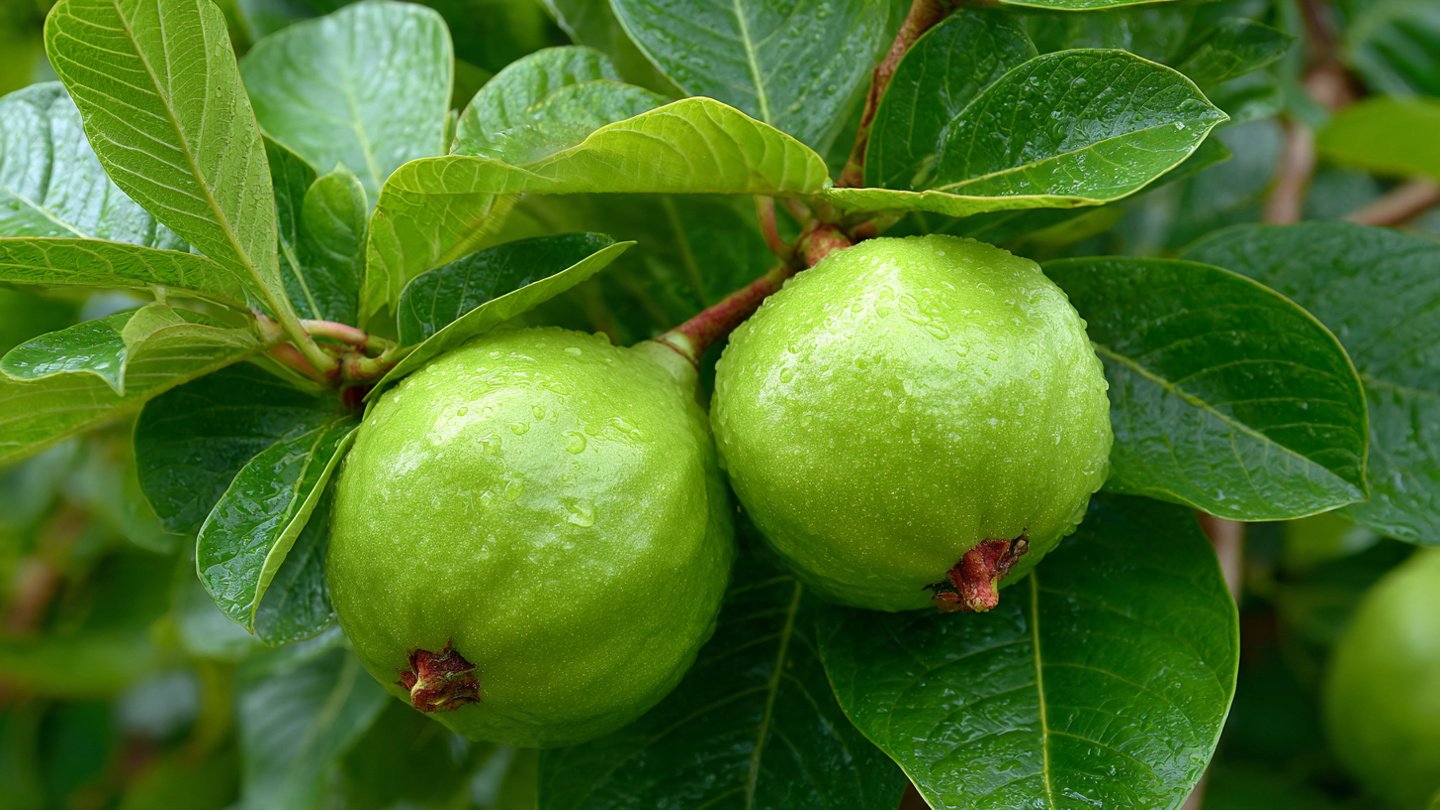
Guava is one of the most rewarding fruit trees for home gardeners. Hardy, fast-growing, and generous with fruit, it thrives in warm climates and adapts well to backyards, terraces, and even large containers. With the right care, a guava plant can start producing fruit in just 2–4 years, offering fragrant blossoms and nutrient-rich harvests season after season. This complete guide walks you through everything you need to know to grow guava easily, quickly, and successfully at home.
Why Grow Guava at Home?
Growing guava at home comes with several benefits. The fruit is rich in vitamin C, fiber, and antioxidants, making it a healthy addition to your diet. Homegrown guavas are fresher, chemical-free, and far more flavorful than store-bought ones. The tree itself is attractive, with glossy green leaves and aromatic flowers, adding beauty to your garden or balcony. Best of all, guava trees are relatively low-maintenance compared to many other fruit plants.
Choosing the Right Guava Variety
Selecting the right variety is the first step toward success. Common options include white-fleshed guava, pink guava, and apple guava. For home gardens, choose a variety suited to your local climate and available space. Dwarf or semi-dwarf varieties are ideal for pots and small gardens, while regular varieties do well in open ground. Always source healthy, disease-free plants from a reliable nursery.
Ideal Climate and Location
Guava thrives in tropical and subtropical climates. It prefers warm temperatures between 20°C and 35°C and can tolerate mild cold but not heavy frost. Choose a sunny location where the plant receives at least 6–8 hours of direct sunlight daily. Good sunlight is essential for flowering and fruiting. Ensure the area is well-ventilated but protected from strong winds, which can damage young branches.
Soil Preparation for Healthy Growth
Guava grows best in well-draining, fertile soil. Sandy loam or loamy soil enriched with organic matter is ideal. The soil pH should be slightly acidic to neutral, around 5.5–7.0. Before planting, mix compost or well-rotted manure into the soil to improve fertility and structure. Good drainage is crucial, as waterlogged soil can lead to root rot and poor growth.
How to Plant Guava
You can grow guava from seeds, cuttings, or grafted plants. For faster and more reliable results, grafted or air-layered plants are recommended.
Planting steps:
- Dig a pit about 2 feet wide and deep (or choose a large container with drainage holes).
- Fill the pit with a mixture of garden soil, compost, and a little sand.
- Place the plant carefully, keeping the root ball intact.
- Fill the pit, press the soil gently, and water thoroughly.
For container growing, select a pot at least 18–24 inches wide and deep to allow proper root development.
Watering Schedule
Young guava plants need regular watering to establish strong roots. Water deeply 2–3 times a week during the first few months. Once established, reduce watering frequency, allowing the topsoil to dry slightly between watering sessions. Overwatering can cause root problems, while underwatering may lead to flower and fruit drop. During flowering and fruiting, consistent moisture is especially important.
Fertilizing for Faster Growth and Better Fruits
Guava responds well to regular feeding. Use organic fertilizers such as compost, vermicompost, or well-rotted manure every 2–3 months. You can also apply a balanced NPK fertilizer to support growth, flowering, and fruiting.
Basic fertilizing plan:
- Young plants: Light feeding every 2 months
- Mature plants: Heavier feeding before flowering and after harvest
Avoid excessive nitrogen, as it promotes leaf growth at the expense of flowers and fruits.
Pruning and Training
Pruning is essential for shaping the tree, improving air circulation, and encouraging more fruiting branches. Start light pruning when the plant is young to develop a strong framework. Remove dead, diseased, or crossing branches regularly. After harvesting, prune lightly to stimulate new growth, as guava fruits on new shoots.
Flowering, Pollination, and Fruiting
Guava usually flowers within 1–2 years of planting, depending on the variety and growing conditions. Flowers are self-pollinating, but insects like bees can improve fruit set. Fruits take about 3–5 months to mature after flowering. Proper watering, nutrition, and sunlight during this period are key to producing large, sweet guavas.
Common Pests and Diseases
While guava is relatively hardy, it can face issues such as fruit flies, aphids, mealybugs, and fungal diseases.
Prevention tips:
- Keep the area around the plant clean
- Avoid waterlogging
- Use neem oil or organic sprays for pest control
- Remove and destroy affected fruits or leaves
Regular monitoring helps catch problems early and keeps the plant healthy.
Harvesting Guava
Guava fruits are usually ready to harvest when they change color slightly and emit a strong, sweet aroma. Depending on the variety, the skin may turn light green, yellowish, or pinkish. Harvest carefully using pruning shears to avoid damaging branches. Guavas can be eaten fresh or used for juices, jams, and desserts.
Final Tips for Success
- Choose a sunny spot and well-draining soil
- Water consistently but avoid overwatering
- Feed the plant regularly with organic matter
- Prune lightly to encourage new growth
- Protect fruits from pests during ripening
With patience and proper care, a guava tree can reward you with abundant harvests for many years. Whether grown in the ground or in a container, guava is a perfect fruit tree for home gardeners looking for fast growth, easy maintenance, and delicious results.