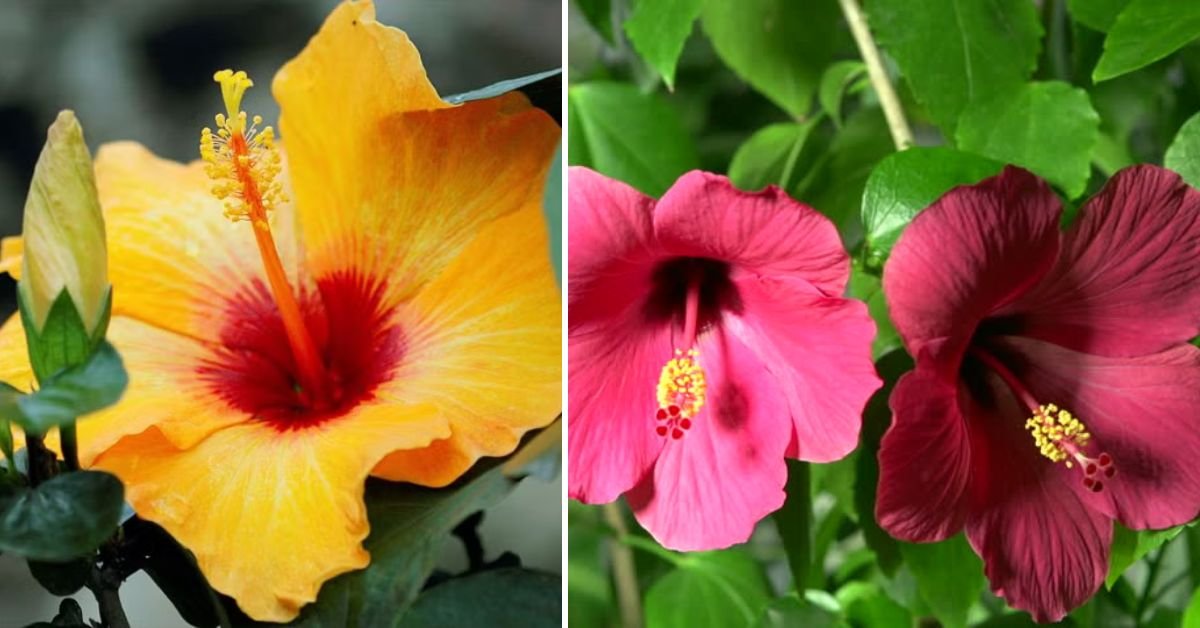
Hibiscus plants are loved around the world for their large, colorful, and eye-catching flowers. Whether grown in gardens, balconies, or pots, hibiscus adds instant beauty and a tropical feel to any space. While buying mature plants is an option, learning how to propagate hibiscus at home is far more rewarding, economical, and surprisingly easy. With the right techniques, you can multiply your favorite hibiscus varieties and enjoy stunning blooms year after year.
This complete guide will walk you through everything you need to know about hibiscus propagation—from understanding the plant to step-by-step methods, care tips, and common mistakes—so you can grow healthy, flowering hibiscus plants with confidence.
Why Propagate Hibiscus at Home?
Propagating hibiscus allows you to:
- Create multiple plants from one healthy parent
- Preserve flower color and plant characteristics
- Save money on buying new plants
- Rejuvenate old or weak plants
- Share plants with friends and family
Most importantly, propagated hibiscus plants adapt better to your local environment because they grow under your care from the beginning.
Understanding Hibiscus Growth Habits
Hibiscus is a fast-growing, woody shrub that responds very well to propagation. It produces new shoots regularly, making it ideal for methods like cuttings, layering, and grafting. When given warmth, moisture, and good light, hibiscus roots quickly and establishes itself with ease.
Healthy parent plants are the foundation of successful propagation. Always choose disease-free plants with strong stems and vibrant leaves.
Best Time to Propagate Hibiscus
Timing plays a major role in success.
Ideal propagation season:
- Spring and early summer are best
- Warm temperatures encourage faster root formation
- Avoid very cold winters or extreme heat
During active growth periods, hibiscus cuttings root faster and recover quickly.
Method 1: Propagating Hibiscus from Stem Cuttings (Most Popular)
Stem cuttings are the easiest and most reliable method for home gardeners.
Step-by-Step Guide
Step 1: Select the Right Cutting
Choose a semi-hardwood stem that is healthy and pest-free. The cutting should be about 4–6 inches long and have at least 2–3 leaf nodes.
Step 2: Prepare the Cutting
Remove the lower leaves, leaving only 1–2 leaves at the top. Trim the base just below a node using clean, sharp scissors.
Step 3: Optional Root Boost
Dip the cut end in rooting hormone (optional but helpful). Natural alternatives like aloe vera gel or honey can also be used.
Step 4: Plant the Cutting
Insert the cutting into a well-draining soil mix made of garden soil, sand, and compost or cocopeat. Firm the soil gently around it.
Step 5: Maintain Moisture
Water lightly and cover the pot with a transparent plastic bag to maintain humidity. Make small holes for airflow.
Roots usually develop within 3–5 weeks.
Method 2: Water Propagation (Beginner-Friendly)
Water propagation is simple and lets you observe root growth.
How to do it:
- Place a healthy cutting in a glass of clean water
- Ensure at least one node is submerged
- Change the water every 2–3 days
Once roots grow to about 1–2 inches, transplant the cutting into soil carefully.
Method 3: Air Layering for Stronger Plants
Air layering produces larger, faster-establishing plants.
Steps involved:
- Select a healthy branch
- Remove a small ring of bark
- Apply moist moss or soil around the wound
- Wrap with plastic and tie securely
Roots form in 4–6 weeks. Once rooted, cut the branch below the roots and plant it in soil.
Ideal Soil Mix for Propagated Hibiscus
Hibiscus roots need air, moisture, and nutrients.
Best soil mix:
- Light garden soil
- Organic compost or vermicompost
- Sand or cocopeat for drainage
Avoid heavy clay soil, which can retain too much water and cause root rot.
Light, Water, and Temperature Requirements
Light
Newly propagated plants prefer bright, indirect light. Once established, hibiscus needs 5–6 hours of direct sunlight daily for maximum blooming.
Water
Keep the soil consistently moist but not soggy. Overwatering is one of the most common causes of failure during propagation.
Temperature
Warm conditions encourage faster growth. Protect young plants from cold drafts and extreme heat.
Aftercare: Helping Young Plants Thrive
Once roots are established:
- Gradually expose the plant to direct sunlight
- Remove humidity covers slowly
- Begin light feeding after 3–4 weeks
Use diluted organic fertilizers or compost tea to encourage healthy leaf and stem development.
Pruning for Bushier Growth and More Blooms
Pruning plays a key role in long-term success.
Benefits of pruning:
- Encourages branching
- Produces more flower buds
- Keeps plants compact and healthy
Light pruning after flowering helps shape the plant and prepares it for the next bloom cycle.
Common Mistakes to Avoid
Avoid these errors to ensure successful propagation:
- Using weak or diseased cuttings
- Overwatering or poor drainage
- Exposing cuttings to harsh sunlight too early
- Skipping humidity during early rooting
Small mistakes can slow down rooting or cause cuttings to fail.
How Long Until Blooms Appear?
Propagation success doesn’t end with rooting.
Typical timeline:
- Roots form in 3–5 weeks
- Strong growth begins within 2–3 months
- Flowers appear in 4–6 months under good care
Well-maintained plants bloom more frequently and produce larger flowers.
Final Thoughts: Grow More Beauty with Confidence
Hibiscus propagation is a simple yet powerful way to expand your garden and enjoy continuous blooms without extra cost. Whether you choose stem cuttings, water propagation, or air layering, the key lies in patience, proper care, and consistency.
By following this complete hibiscus propagation guide, you’ll gain not only more plants but also the satisfaction of growing vibrant, healthy hibiscus from your own hands. With time and care, your home will be filled with lush greenery and stunning flowers that bloom again and again.