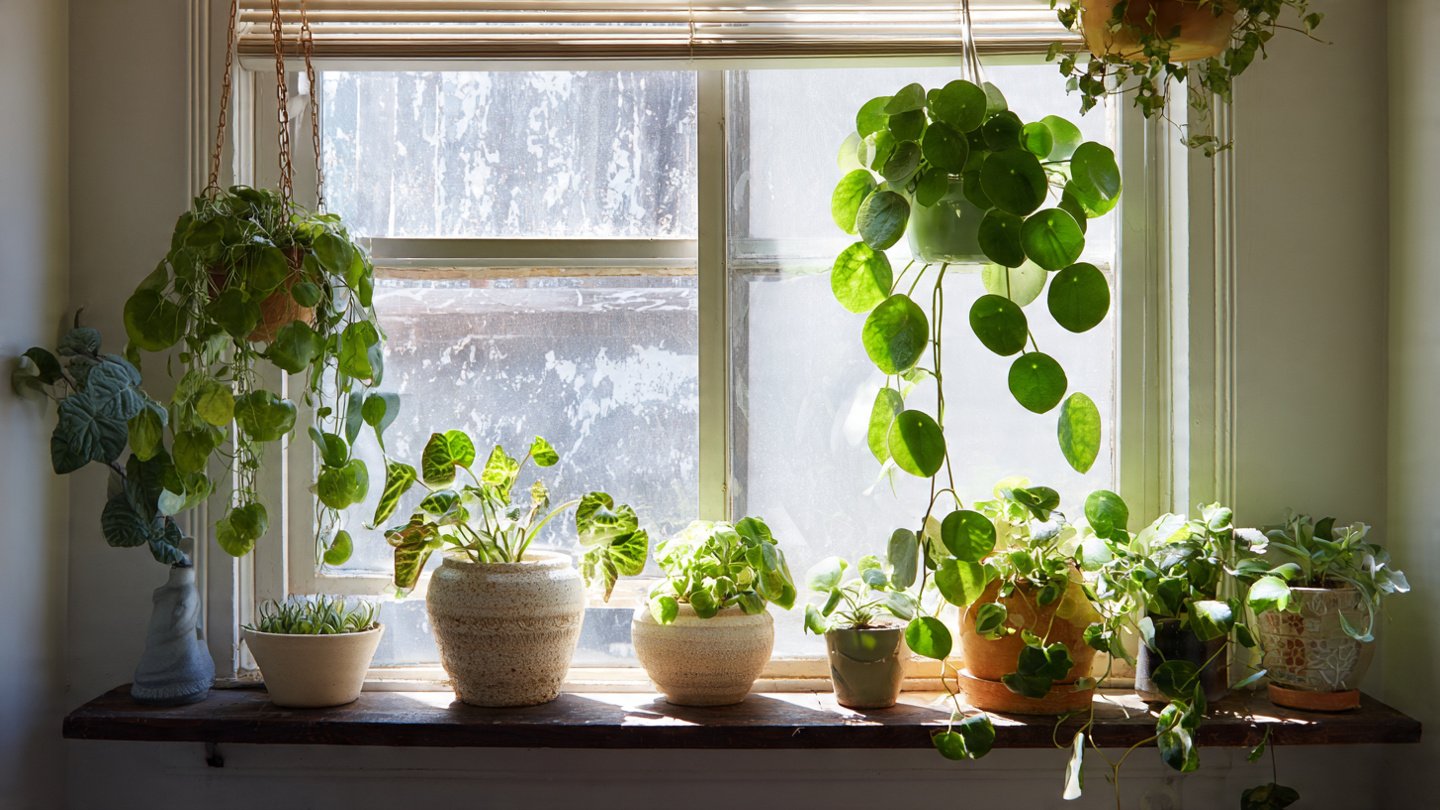
Maximizing indoor space is a common challenge, especially for urban dwellers with limited square footage. One of the most stylish and practical solutions is using vertical gardening — leveraging walls, shelves, and hanging planters to create green, vibrant spaces without sacrificing floor area. Pairing this approach with low-light houseplants allows you to enjoy greenery even in rooms that don’t get much sunlight.
Whether you’re decorating a small apartment, office, or shaded corner of your home, choosing the right plants and arranging them vertically can transform your living space into a lush, relaxing environment. Here’s a comprehensive guide to the best low-light houseplants and expert tips for vertical gardening indoors.
Why Choose Low-Light Plants for Vertical Spaces?
Not every indoor area receives ample sunlight, making traditional sun-loving houseplants unsuitable for certain spots. Low-light plants thrive in indirect or filtered light, making them perfect for nooks, hallways, bathrooms, and offices.
Vertical gardening with these plants has multiple benefits:
- Space efficiency: Walls and elevated shelves free up floor space for furniture or walking areas.
- Aesthetic appeal: Cascading vines and layered foliage create visual depth and texture.
- Improved air quality: Low-light plants often absorb toxins and purify indoor air.
- Stress reduction: Greenery in your line of sight boosts mood and reduces stress.
Selecting low-light plants ensures your vertical garden remains healthy, lush, and visually appealing throughout the year.
Top Low-Light Houseplants for Vertical Gardening
Here are some of the best low-light plants that thrive when grown vertically:
1. Pothos (Epipremnum aureum)
- Light requirements: Low to medium indirect light
- Growth habit: Trailing vines that can climb trellises or cascade from shelves
- Care tips: Water when the top inch of soil is dry; tolerates occasional neglect
- Why it’s ideal: Fast-growing, hardy, and visually striking with variegated leaves
2. Philodendron (Heartleaf and Split-Leaf Varieties)
- Light requirements: Low to bright indirect light
- Growth habit: Vines or large leaves depending on the species
- Care tips: Keep soil moist but not waterlogged; prune for shape and growth control
- Why it’s ideal: Adaptable and excellent for trellises, hanging planters, or wall-mounted pots
3. Snake Plant (Sansevieria trifasciata)
- Light requirements: Low to medium indirect light
- Growth habit: Upright, sword-shaped leaves
- Care tips: Drought-tolerant; water sparingly
- Why it’s ideal: Perfect for vertical planters or narrow spaces, adds architectural interest
4. Spider Plant (Chlorophytum comosum)
- Light requirements: Low to bright indirect light
- Growth habit: Arching leaves with cascading plantlets
- Care tips: Keep soil lightly moist; fertilize monthly during growing season
- Why it’s ideal: Ideal for hanging baskets, creating layers of trailing foliage
5. English Ivy (Hedera helix)
- Light requirements: Low to medium indirect light
- Growth habit: Trailing or climbing
- Care tips: Keep soil consistently moist; trim to prevent overgrowth
- Why it’s ideal: Elegant cascading vines perfect for wall-mounted planters or shelves
6. ZZ Plant (Zamioculcas zamiifolia)
- Light requirements: Very low to medium indirect light
- Growth habit: Upright stems with glossy leaves
- Care tips: Tolerates neglect; water only when soil is dry
- Why it’s ideal: Extremely hardy; works well in decorative vertical planters
7. Boston Fern (Nephrolepis exaltata)
- Light requirements: Low to medium indirect light
- Growth habit: Bushy, cascading fronds
- Care tips: Keep soil consistently moist; high humidity preferred
- Why it’s ideal: Creates a lush, dramatic effect in hanging or tiered vertical setups
Tips for Setting Up a Vertical Garden Indoors
Creating a thriving vertical garden requires thoughtful placement, support, and plant selection. Here’s how to get started:
1. Choose the Right Structure
- Wall-mounted planters: Ideal for lightweight trailing plants like pothos or ivy
- Shelving units: Layer multiple pots at varying heights for visual interest
- Hanging baskets: Perfect for spider plants, ferns, or trailing philodendrons
- Trellises or moss poles: Support climbing plants like philodendrons or ivy
2. Plan for Drainage
- Ensure each planter has proper drainage to prevent root rot
- Use trays or saucers to catch excess water, especially on shelves or walls
3. Consider Plant Grouping
- Group plants with similar light and water requirements together
- Combine trailing and upright plants to create depth and texture
4. Rotate and Maintain
- Rotate plants periodically for even growth
- Prune regularly to control length and encourage fullness
5. Optimize Lighting
- Low-light plants tolerate indirect light, but supplementary LED grow lights can enhance growth in darker areas
- Avoid direct sun for sensitive species to prevent scorching
Care and Maintenance for Vertical Low-Light Plants
Proper maintenance ensures your vertical garden thrives:
- Watering: Monitor each plant’s moisture needs; trailing plants often dry faster
- Humidity: Use a humidifier or mist delicate species to replicate tropical conditions
- Fertilization: Feed monthly during growing season with a balanced houseplant fertilizer
- Pruning: Trim dead or overgrown stems to maintain shape and encourage fuller growth
- Pest Control: Watch for pests like spider mites or mealybugs and treat promptly
Benefits of Vertical Low-Light Houseplants
In addition to aesthetics, vertical low-light houseplants offer multiple benefits:
- Air purification: Remove toxins like formaldehyde and benzene
- Space-saving: Ideal for apartments or small rooms
- Stress reduction: Greenery enhances mood and reduces anxiety
- Thermal insulation: Plants can help regulate indoor temperature and humidity
Vertical gardens allow homeowners to enjoy these benefits while maximizing unused wall space, creating living art inside their homes.
Design Ideas for Vertical Gardening
- Hanging planters at varying heights create a cascading effect
- Floating shelves with trailing vines for a modern, layered look
- Frame-style vertical gardens with pocket planters for a “living wall”
- Macramé hangers for lightweight, trailing plants in corners or near windows
Experiment with combinations of upright and trailing plants to create dynamic, visually appealing arrangements.
Conclusion
Vertical gardening with low-light houseplants is a practical and stylish way to bring greenery into your home, even in spaces with limited sunlight or floor area. Plants like pothos, philodendrons, snake plants, spider plants, and ZZ plants thrive in low-light conditions while creating a lush, layered aesthetic.
By selecting the right species, providing proper care, and using creative vertical structures, you can maximize indoor space, improve air quality, and elevate your home’s décor. With consistent maintenance, a vertical garden can flourish year-round, adding beauty, freshness, and a touch of nature to any room.