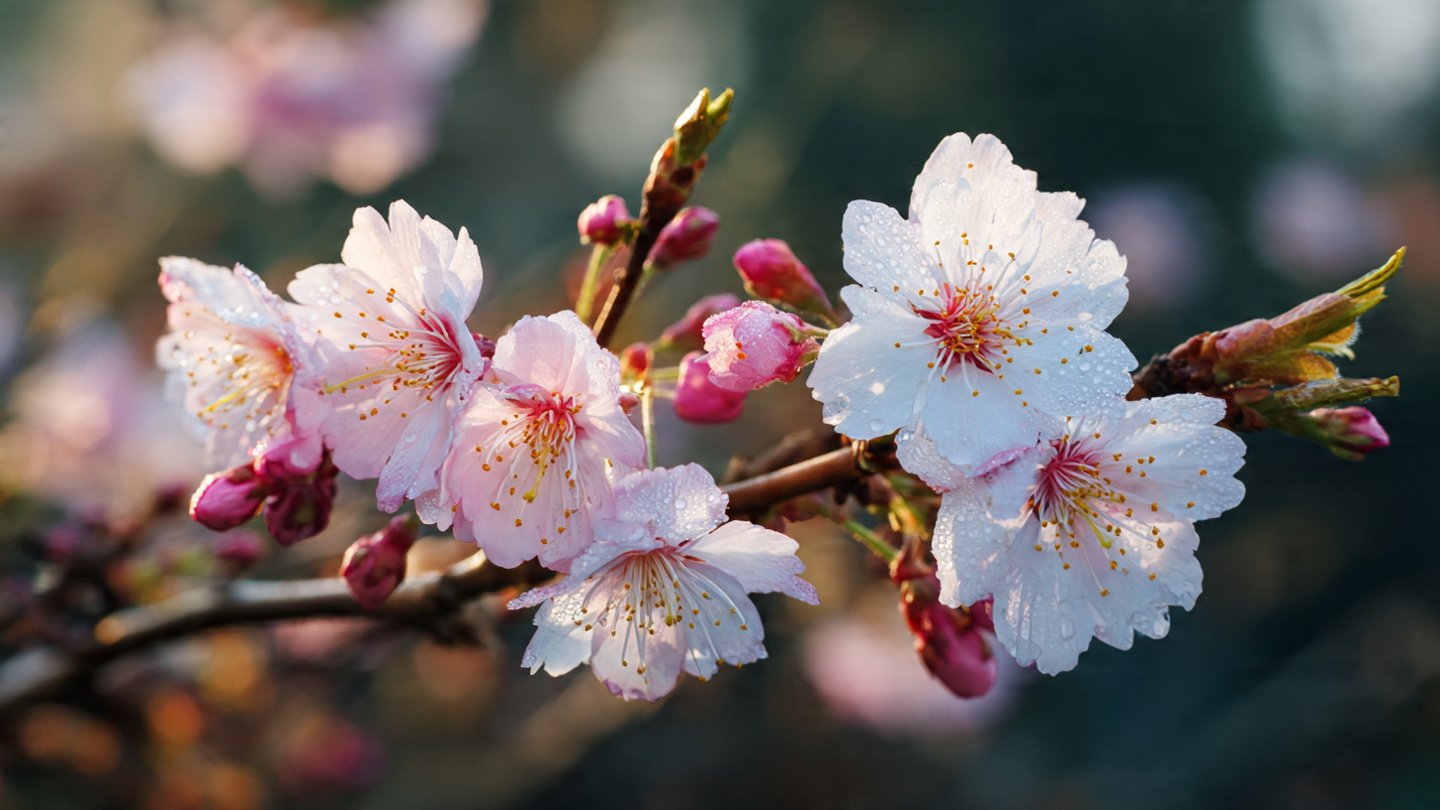
Cherry trees (Prunus avium and Prunus cerasus) are treasured in gardens for their beautiful spring blossoms and sweet or tart fruits. Whether you’re a seasoned gardener or a beginner, propagating cherry trees is a rewarding way to expand your orchard, ensure consistent fruit quality, and preserve favorite varieties.
While cherry trees can be grown from seeds, the best way to propagate them is through cuttings, grafting, or layering, which ensures the new tree maintains the parent tree’s traits. This guide provides a step-by-step approach to propagating cherry trees, focusing on techniques that promote lush growth and fruitful harvests.
Understanding Cherry Tree Propagation
Propagation is the process of creating new trees from an existing one. There are three primary methods for cherry trees:
- Seeds: Simple but may result in trees with unpredictable fruit quality and long wait times.
- Cuttings: Fast, reliable, and preserves parent tree characteristics.
- Grafting: Combines the best traits of rootstock and scion for disease resistance and productivity.
- Layering: Encourages roots to develop while the branch is still attached, producing a genetically identical tree.
For home gardeners, propagation via cuttings or layering is the easiest, most dependable method for achieving lush, fruitful trees.
Step 1: Choosing the Right Parent Tree
Successful propagation begins with selecting a healthy, mature cherry tree:
- Disease-free: Avoid trees with fungal infections, cankers, or pests.
- Fruit quality: Choose a tree with desirable fruit traits, such as sweetness, size, or flavor.
- Strong structure: Select branches that are vigorous and healthy.
The parent tree’s health directly affects the success rate and vigor of the new cherry tree.
Step 2: Selecting the Right Cutting or Branch
For propagation through cuttings or layering, the quality of the branch is crucial:
- Timing: Take cuttings in late spring or early summer when new growth is semi-hardwood.
- Length: Cuttings should be 6–8 inches long with 3–4 nodes.
- Leaf selection: Remove lower leaves while keeping 2–3 leaves at the top to sustain photosynthesis.
- Tools: Use sterilized pruning shears to prevent disease transmission.
Healthy, semi-hardwood cuttings have the highest success rate for rooting.
Step 3: Preparing the Cutting
Proper preparation of cuttings encourages root development and increases survival rates:
- Trim the cutting: Make a clean 45-degree cut just below a node.
- Optional rooting hormone: Dip the cut end in a commercial rooting hormone or natural alternatives like willow extract. This accelerates root formation.
- Moist medium: Prepare a container with well-draining soil or a mix of perlite and peat moss.
Well-prepared cuttings establish roots more quickly and grow into stronger trees.
Step 4: Planting the Cutting
Planting technique is key to healthy growth:
- Make a hole in the soil about 2 inches deep.
- Insert the cutting, burying at least one node.
- Firm the soil gently around the base to provide support.
- Water lightly but thoroughly to settle the soil.
- Cover with a plastic bag or humidity dome to retain moisture, creating a greenhouse-like environment.
Correct planting prevents drying out and encourages rapid root development.
Step 5: Providing the Ideal Growing Environment
Cuttings and layers require specific conditions to root successfully:
- Light: Bright but indirect sunlight avoids leaf scorch.
- Temperature: Keep cuttings at 65–75°F (18–24°C).
- Humidity: High humidity is critical; mist cuttings regularly or cover with a plastic dome.
- Soil moisture: Keep soil consistently damp but not waterlogged.
Maintaining optimal conditions increases the likelihood of successful propagation.
Step 6: Rooting and Monitoring
Roots typically form in 4–8 weeks, depending on the variety and conditions:
- Gently tug the cutting to check for resistance, indicating root growth.
- Look for new leaf growth as a sign of establishment.
- Avoid disturbing the cutting excessively, as this can damage tender roots.
Patience is key—root development is gradual but essential for healthy trees.
Step 7: Layering as an Alternative
Layering is another effective propagation method, particularly for branches that are still attached to the parent tree:
- Select a low-hanging branch that can reach the ground.
- Wound the underside slightly to stimulate rooting.
- Bury the wounded section 2–3 inches deep in moist soil.
- Anchor with a small rock or peg to keep the branch in place.
- Cover lightly with soil and mulch.
After 3–6 months, roots develop at the buried section, and the new tree can be severed from the parent. Layering is low-maintenance and produces strong, genetically identical trees.
Step 8: Grafting for Superior Trees
Grafting is the method of joining a scion (desired variety) onto a rootstock:
- Provides disease resistance and size control.
- Ensures high-quality fruit production.
- Common grafting techniques: whip-and-tongue grafting, cleft grafting, or bud grafting.
While slightly more advanced, grafting is ideal for gardeners looking to replicate specific cherry varieties reliably.
Step 9: Transplanting Rooted Cuttings or Layered Trees
Once cuttings or layered branches have established a strong root system, it’s time to transplant them:
- Select a sunny, well-drained location with at least 6–8 hours of sunlight.
- Dig a hole twice as wide and deep as the root ball.
- Carefully place the young tree in the hole and cover with soil.
- Water thoroughly and apply mulch around the base, keeping it away from the trunk.
- Stake young trees if necessary to support upright growth.
Transplanting at the right stage ensures strong establishment and rapid growth.
Step 10: Watering and Care for Young Trees
Young cherry trees need consistent care for optimal growth:
- Watering: Deeply water once or twice a week, depending on rainfall and soil type.
- Fertilization: Apply a balanced fertilizer in early spring and again after flowering.
- Pruning: Remove weak or crossing branches to develop a strong framework.
- Pest and disease control: Monitor for aphids, leaf curl, and fungal diseases; treat organically if possible.
Proper care in the early stages ensures a long-lived, productive tree.
Step 11: Encouraging Fruiting
Cherry trees generally take 2–5 years to bear fruit:
- Ensure full sunlight for at least 6–8 hours daily.
- Maintain consistent watering and nutrition.
- Prune to allow light penetration and airflow.
- For sweet cherries, plant a compatible pollinator if cross-pollination is required.
Following these steps ensures early and abundant fruiting for your new cherry trees.
Step 12: Long-Term Care and Maintenance
Once established, cherry trees require routine maintenance for health and productivity:
- Pruning: Annually to remove dead wood and maintain shape.
- Fertilization: Apply organic compost or slow-release fertilizer yearly.
- Pest and disease management: Regular inspection and timely intervention prevent damage.
- Mulching: Conserves moisture and suppresses weeds.
With proper care, your propagated cherry trees will produce lush foliage and abundant fruit for decades.
Advantages of Propagating Cherry Trees at Home
- Preserves favorite varieties: Cuttings and grafting maintain the parent tree’s traits.
- Cost-effective: Multiply your cherry trees without purchasing new ones.
- Faster fruit production: Rooted cuttings and grafted trees bear fruit sooner than seedlings.
- Customizable growth: Use dwarf rootstocks for smaller trees or standard rootstocks for full-sized orchard trees.
- Sustainable gardening: Reduces reliance on commercial nurseries and supports home-grown food security.
Propagating cherry trees is both practical and environmentally friendly, offering gardeners long-term rewards.
Tips for Maximum Success
- Always use healthy parent trees for propagation.
- Sterilize tools to prevent disease spread.
- Maintain consistent moisture and humidity during rooting.
- Avoid over-fertilization; balance is key.
- Protect young trees from extreme weather and pests.
- Practice patience—rooting, growth, and fruiting take time but are highly rewarding.
By following these tips, even beginner gardeners can successfully propagate cherry trees that are lush, vigorous, and fruitful.
Conclusion
Propagating cherry trees at home is a fulfilling and practical way to expand your garden or orchard. By choosing healthy parent trees, selecting the right propagation method (cuttings, layering, or grafting), and providing optimal care, you can ensure lush growth and abundant fruit.
While cherry trees require patience, the rewards—a steady supply of beautiful blossoms and delicious cherries—are well worth the effort. With consistent attention to watering, nutrition, pruning, and pest control, your propagated cherry trees can flourish for decades, providing beauty, flavor, and a sense of accomplishment in your garden.
Whether you aim to grow a single tree or develop a small orchard, following this step-by-step guide will help you master cherry tree propagation and enjoy the fruits of your labor year after year.