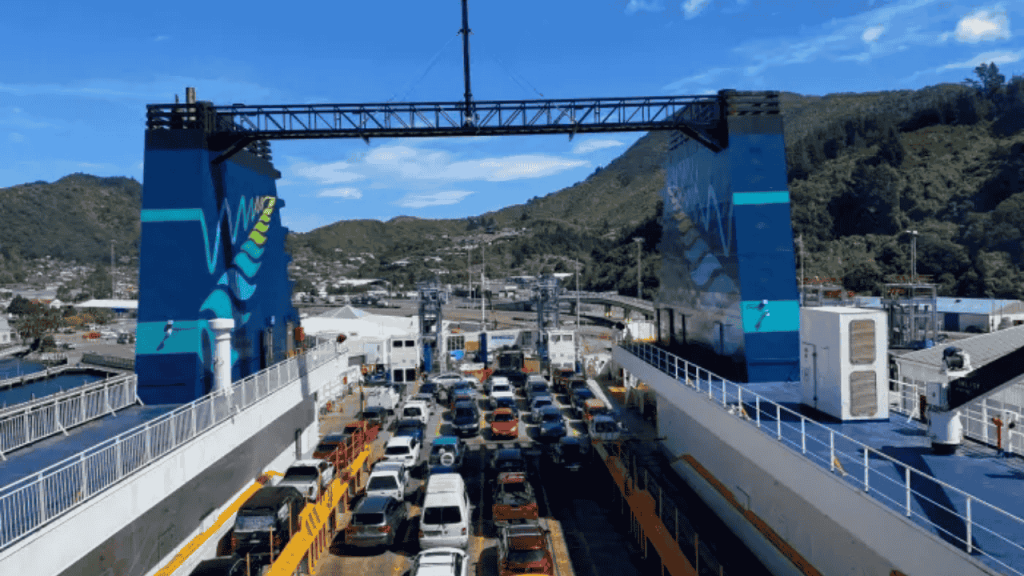
A proposed temporary wharf plan is emerging as a key strategy to streamline the long-anticipated upgrade of Picton’s waterfront infrastructure, with the promise of reducing disruption, accelerating construction timelines, and potentially cutting overall project costs. As Picton serves as a vital transport and tourism gateway between New Zealand’s islands, any upgrade to its port facilities carries national significance.
The plan reflects a growing trend in large infrastructure projects: using interim solutions to maintain operations while permanent improvements are delivered more efficiently.
Why Picton’s Wharf Upgrade Matters
Picton is best known as the South Island terminal for interisland ferry services, handling large volumes of passengers, vehicles, and freight every year. The existing wharf infrastructure has aged under decades of heavy use, prompting concerns about resilience, safety, and future capacity.
An upgrade has long been considered essential to:
- Support modern ferry vessels
- Improve passenger flow and safety
- Enhance freight efficiency
- Future-proof the port against seismic and climate risks
However, upgrading a working wharf presents a major challenge: how to rebuild without shutting down or severely disrupting operations.
The Concept of a Temporary Wharf
The temporary wharf plan proposes constructing an interim structure that would take on some or all port functions while the main upgrade work is carried out. This would allow construction crews to work on the permanent wharf without the constraints of maintaining full operations in the same space.
Such temporary infrastructure is not uncommon in complex marine projects, particularly where uninterrupted service is critical. In Picton’s case, it could mean ferries continue to operate with fewer schedule changes, benefiting travellers, freight operators, and the local economy.
Streamlining Construction Timelines
One of the main advantages of the temporary wharf approach is efficiency. Working around live operations often slows construction, increases safety risks, and adds cost due to stop-start workflows.
With a temporary facility in place:
- Contractors can access the site more freely
- Construction phases can overlap more effectively
- Safety management becomes simpler
- Overall build time may be reduced
A shorter construction period can translate into significant savings, both financially and socially.
Potential Cost Savings Explained
While building a temporary wharf involves upfront expense, project planners argue that it could reduce total costs in the long run. Delays, complex staging, and operational constraints are among the most expensive aspects of infrastructure projects.
Cost savings may come from:
- Reduced construction delays
- Lower labour and equipment downtime
- Fewer contractual variations
- Minimized disruption-related compensation
In addition, keeping ferry services running smoothly avoids economic losses linked to tourism and freight delays.
Minimising Disruption to Ferry Services
Picton is a lifeline for interisland travel, and even minor disruptions can ripple across the transport network. Ferry operators, logistics companies, and local businesses all rely on predictable schedules.
A temporary wharf could:
- Maintain consistent ferry timetables
- Reduce last-minute cancellations
- Improve reliability during peak seasons
- Enhance safety for passengers and crew
For the public, this translates into greater confidence that essential travel routes will remain open throughout the upgrade.
Impact on the Local Community
Major infrastructure projects inevitably affect local communities. Noise, traffic, and visual disruption are common concerns, especially in a compact town like Picton where the port sits close to residential and commercial areas.
Project planners suggest that a temporary wharf could actually lessen long-term disruption by shortening the overall construction period. While there may be short-term impacts during the installation of the temporary structure, these could be offset by a smoother, faster upgrade process.
Community consultation will play a crucial role in shaping how and where the temporary wharf is built.
Environmental Considerations
Marine construction always raises environmental questions, particularly around seabed disturbance, water quality, and marine life. Any temporary wharf plan would require thorough environmental assessment and regulatory approval.
Supporters argue that:
- A well-designed temporary structure can limit repeated disturbance
- Faster construction reduces prolonged environmental impact
- Modern methods allow for removal and site restoration once the permanent wharf is complete
Balancing infrastructure needs with environmental stewardship will be a central challenge of the project.
Lessons from Other Infrastructure Projects
Temporary structures have been successfully used in ports, bridges, and transport hubs around the world. In many cases, they have helped projects stay on schedule and within budget.
Key lessons include:
- Early planning is critical
- Clear communication with stakeholders reduces resistance
- Temporary does not mean lower safety or quality standards
Applying these lessons to Picton could increase the likelihood of a successful outcome.
Stakeholder Perspectives
The temporary wharf proposal has sparked interest among a wide range of stakeholders:
- Local councils see potential economic and logistical benefits
- Ferry operators value continuity of service
- Businesses hope for reduced disruption
- Residents seek clarity on impacts and timelines
While not all concerns have been resolved, the plan has opened constructive discussion about alternative ways to deliver complex infrastructure more effectively.
Risks and Uncertainties
Despite its potential advantages, the temporary wharf approach is not without risks. These include:
- Unexpected construction challenges
- Higher-than-anticipated initial costs
- Weather-related delays
- Regulatory or consent hurdles
Careful project management and transparent decision-making will be essential to ensure the strategy delivers on its promises.
Looking Ahead
As planning continues, the temporary wharf concept is likely to undergo further refinement. Detailed feasibility studies, cost-benefit analyses, and environmental assessments will shape the final decision.
If adopted, the approach could become a model for other infrastructure upgrades in constrained, high-use locations across New Zealand.
Conclusion
The temporary wharf plan aimed at streamlining Picton’s upgrade represents a pragmatic and forward-thinking approach to a complex challenge. By maintaining operations while enabling faster and safer construction, it offers the potential to cut costs, reduce disruption, and deliver a more resilient port for the future.
For a town as strategically important as Picton, finding smarter ways to upgrade critical infrastructure is not just desirable—it is essential. Whether the temporary wharf strategy ultimately proceeds, it has already shifted the conversation toward innovation, efficiency, and long-term value in public infrastructure planning.