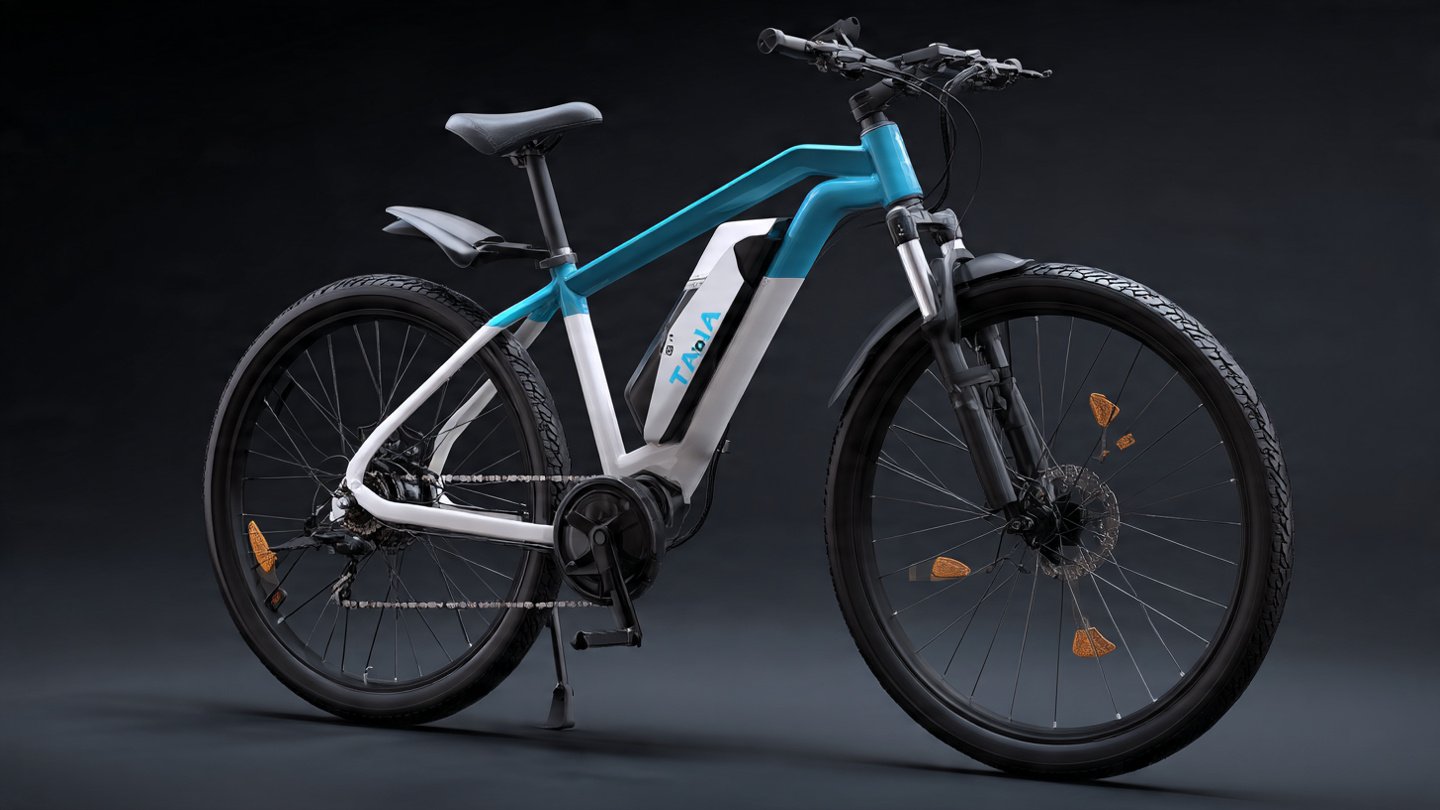
In early 2026, videos and social media posts claiming that Tata Motors has launched an electric cycle with a 250 km range at a very low price went viral—especially on video platforms like YouTube. However, before you get excited about this breakthrough in personal mobility, it’s important to separate fact from fiction.
Despite popular online buzz, there is no verified official announcement from Tata Motors or any Tata Group company that confirms the launch of an electric cycle with such high range and low price. Fact‑checkers have already examined similar viral claims and found them to be false or misleading.
So what’s really going on with this so‑called Tata Electric Cycle? Let’s break it down.
Viral Claims and Why They’re Misleading
Social media posts and thumbnails circulating online have made bold claims about a Tata‑branded electric cycle that supposedly offers:
- A range of 250 km on a single charge,
- A very low price, and
- Features such as pedal‑assist, LCD displays, and high battery capacity.
However, independent fact‑checks have found no official confirmation of such a product from Tata or Tata Motors. Many of these viral posts are either unverified rumors or recycled images reused from other e‑cycle sources.
One widely shared example claimed the Tata cycle was being sold for just ₹3,249, but this was debunked by media fact‑checkers: the bike shown was actually a 250 W cycle from Stryder, a Tata‑linked brand, which retails at around ₹25,000–₹30,000 and offers far lower range figures—typically around 30 km per charge.
What Electric Cycles Actually Deliver
Electric cycles—especially affordable commuter models—don’t usually deliver very high ranges because of battery size limitations and physical realities. Most real mainstream electric bicycles in markets like India tend to offer:
- 30–60 km range under typical conditions,
- Pedal‑assist plus throttle modes, and
- Battery packs in the 250–500 Wh range.
To achieve a 250 km range on an e‑cycle, you would need a massive battery comparable to those in electric scooters or small EVs—something that would make it too heavy and expensive for most buyers.
Therefore, while a 250 km range e‑cycle is theoretically possible, it has not been officially confirmed by Tata or any credible automotive news source at this time.
Tata’s Involvement in Electric Mobility
Although the 250 km Tata e‑cycle launch is unverified, the Tata Group does have involvement in electric mobility through different avenues:
- Tata Motors is a major player in India’s electric car market with models like the Tiago EV providing ranges of around 250–315 km on a full battery.
- Other Tata‑linked initiatives include electric vehicle infrastructure and electrified platforms.
In bicycles, the Stryder brand (which was formerly related to Tata International) launched electric cycles such as the Zeeta Plus, which feature a battery and motor suited for daily urban commuting—not ultra‑long‑range touring.
So while it’s feasible that Tata or a Tata‑affiliate could enter the electric cycle segment again, the specific claims about a 250 km range cycle at rock‑bottom price do not match verified product launches at this time.
Why This Rumour Spread Widely
There are a few reasons why the “250 km Tata electric cycle” story gained traction:
- Brand Power: Anything with the Tata name attached gets attention because of the company’s strong reputation in India’s automotive and industrial sectors.
- Growing Electric Mobility Interest: With rising awareness of sustainable transport, many people are looking for long‑range electric solutions.
- Low Barriers to Viral Content: Social platforms reward eye‑catching thumbnails and headlines—even when they’re not accurate—leading to rapid spread of rumors.
This combination creates a fertile ground for misinformation to circulate, particularly when fact‑checking lags behind online sharing.
What a High‑Range E‑Cycle Would Need Technically
To actually achieve a 250 km range on an electric cycle, an e‑bike would need:
- A large battery pack (sometimes greater than 1.5 kWh),
- Efficient motor and energy management,
- Low overall weight, and
- Optimal riding conditions.
Even with these features, real‑world range depends heavily on rider weight, terrain, weather, and riding style. That’s why most commercial electric cycles focus on urban commuting ranges (30–70 km) rather than ultra‑long distances.
If a Tata or Tata‑affiliated brand were to introduce a true high‑range electric cycle, it would likely be announced through official channels and verified automotive media, and would almost certainly cost significantly more than typical budget e‑cycles.
How to Spot Electric Vehicle Hoaxes
If you come across similar claims in the future, here are some red flags to watch for:
- No official press release from the brand or its parent company.
- Unrealistic specifications (e.g., extreme range at very low price).
- Lack of independent reviews or news coverage from credible outlets.
- Viral posts with sensational thumbnails but no factual backing.
Confirming information through trusted automotive news sources or the company’s official website can help separate fact from online noise.
The Current State of Electric Cycling and EV Growth
While the 250 km e‑cycle claim may be unfounded, the electric two‑wheeler and electric vehicle space in India and globally is expanding rapidly. Manufacturers are releasing scooters and bikes with improved battery tech, longer ranges, and smart features—all catering to growing demand for affordable, green transportation.
And while electric bicycles are a smaller part of that market, they remain a valuable mobility option for many urban commuters—just not yet with extreme ranges at ultra‑low prices.