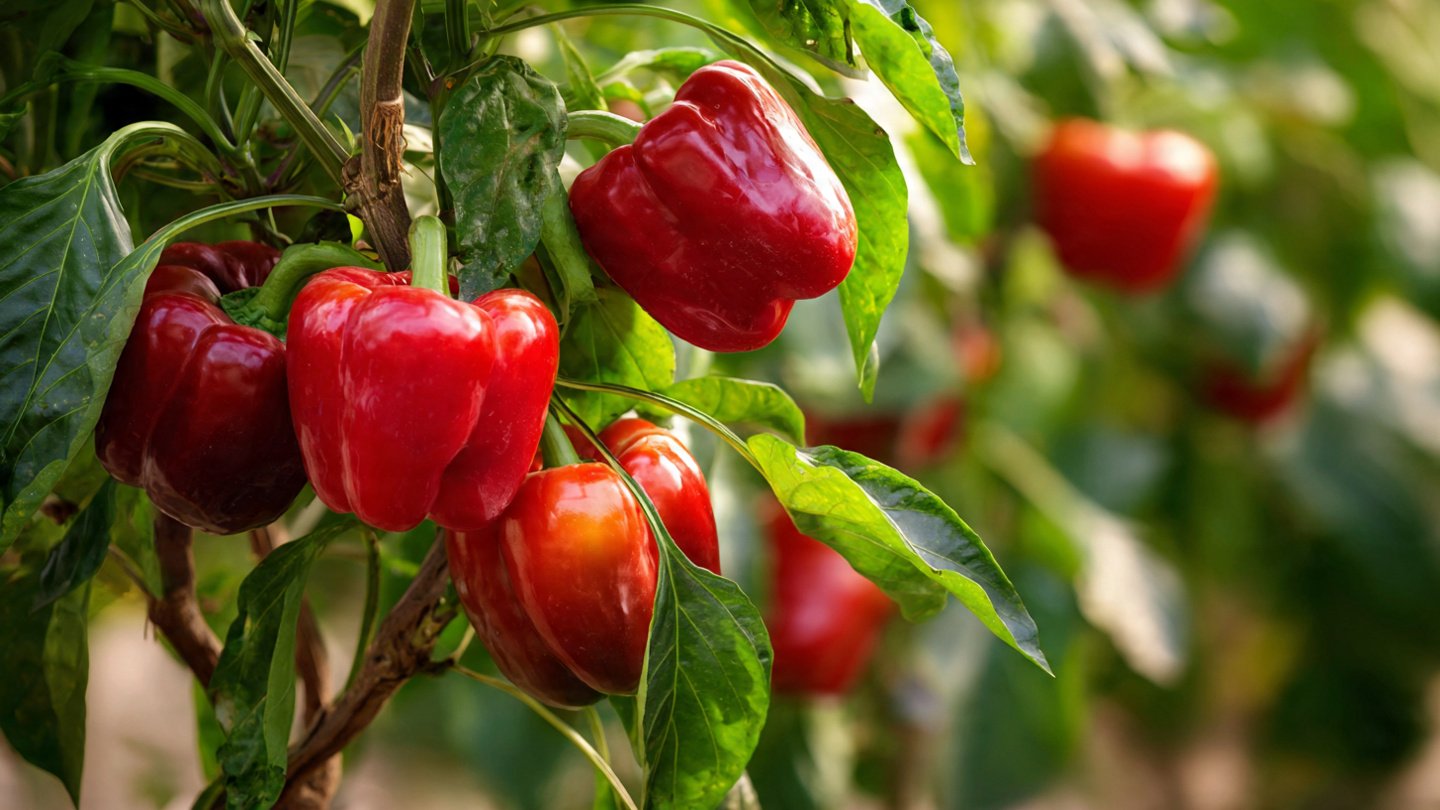
Bell peppers and potatoes are staple crops in kitchens worldwide. Their versatility, flavor, and nutritional value make them favorites among home gardeners and professional growers alike. While both crops are popular, many gardeners struggle to get consistent yields, especially when growing them in varying climates across the US and Europe. Fortunately, with a few surprising tips and careful planning, you can grow healthy, productive bell peppers and potatoes no matter your region.
This comprehensive guide will cover essential strategies for soil preparation, planting, companion planting, pest management, and climate-specific considerations for growing bell peppers and potatoes successfully.
Understanding the Basics
Before diving into cultivation techniques, it’s important to understand the basic growth needs of bell peppers and potatoes.
Bell Peppers
- Climate: Bell peppers prefer warm, temperate climates with daytime temperatures between 20–30°C (68–86°F). They are sensitive to frost and extreme heat.
- Soil: Well-draining, fertile soil rich in organic matter is ideal. Slightly acidic soil (pH 6.0–6.5) helps nutrient absorption.
- Sunlight: At least 6–8 hours of full sunlight daily ensures strong growth and vibrant fruit.
Potatoes
- Climate: Potatoes are more adaptable and can tolerate cooler climates but prefer 15–20°C (59–68°F) for optimal tuber development.
- Soil: Loose, sandy-loam soil allows tubers to expand easily. Avoid compacted soil, which can lead to deformed potatoes.
- Watering: Potatoes require consistent moisture, especially during tuber formation, but waterlogging must be avoided.
Understanding these requirements helps you adapt your growing practices to your local conditions in the US or Europe.
Surprising Tip 1: Companion Planting Boosts Growth
Companion planting is a powerful, often overlooked technique. Planting bell peppers and potatoes near compatible plants can improve growth, deter pests, and enhance yields.
- Bell peppers: Plant alongside basil, onions, or carrots. Basil repels aphids, improves growth, and enhances pepper flavor.
- Potatoes: Plant with beans or corn. Beans fix nitrogen, enriching the soil for potatoes. Avoid planting potatoes near tomatoes, peppers, or eggplants to prevent shared pests like blight.
Strategic companion planting helps maximize garden productivity while reducing chemical intervention.
Surprising Tip 2: Timing and Season Are Everything
Timing is a critical factor, especially for regions in the US and Europe with distinct seasons.
For Bell Peppers
- Start seeds indoors 8–10 weeks before the last expected frost.
- Transplant seedlings outdoors only when temperatures are consistently above 15°C (59°F).
- Use row covers in cooler regions to extend the growing season.
For Potatoes
- Plant early-season potatoes in spring, as soon as soil can be worked.
- Late-season potatoes can be planted for fall harvest in milder climates.
- In Europe, regions like the Mediterranean allow for multiple plantings per year with staggered harvesting.
Following local climate guides ensures your crops develop fully without being exposed to extreme weather.
Surprising Tip 3: Soil Preparation for Maximum Yield
Healthy soil is the foundation of strong plants and high yields.
Bell Peppers
- Mix compost or well-rotted manure into soil before planting.
- Add a balanced fertilizer with higher phosphorus to support root and flower development.
- Mulch around plants to retain moisture and regulate soil temperature.
Potatoes
- Build raised beds or ridges for better drainage.
- Add organic matter like compost or leaf mold to improve soil texture.
- Avoid excessive nitrogen, which promotes leafy growth but reduces tuber size.
A well-prepared soil environment ensures your plants can access nutrients efficiently and thrive in varying conditions across the US and Europe.
Surprising Tip 4: Watering and Irrigation Practices
Water management is critical for both crops, and mismanagement is a common reason for poor harvests.
- Bell peppers: Keep the soil consistently moist, especially during flowering and fruiting. Avoid overwatering, which can cause blossom end rot.
- Potatoes: Water deeply during tuber development. Ensure soil is moist but not waterlogged to prevent rot and disease.
- Consider drip irrigation or soaker hoses for consistent moisture and reduced fungal disease risk.
Proper irrigation helps plants stay healthy, promotes fruit quality, and reduces the risk of pest outbreaks.
Surprising Tip 5: Pruning and Training
Pruning bell peppers and managing potato foliage can surprisingly increase yields.
Bell Peppers
- Remove early flowers to encourage stronger root development.
- Pinch off side shoots selectively to focus energy on main stems and fruit production.
- Support taller varieties with stakes or cages to prevent bending and fruit damage.
Potatoes
- Hill soil around stems regularly as plants grow. This protects developing tubers from sunlight, which can turn them green and toxic.
- Remove diseased or yellowing leaves to improve airflow and reduce disease risk.
These techniques may seem simple but have a profound impact on overall plant health and productivity.
Surprising Tip 6: Pest and Disease Management
Bell peppers and potatoes share common pests and diseases, so proactive management is key:
- Bell peppers: Watch for aphids, cutworms, and spider mites. Neem oil, insecticidal soap, or row covers help prevent infestations.
- Potatoes: Common threats include Colorado potato beetles, aphids, and blight. Crop rotation and resistant varieties reduce risk.
- Regularly inspect plants and remove affected leaves to prevent disease spread.
Integrated pest management ensures a healthier crop and reduces reliance on chemical pesticides.
Surprising Tip 7: Harvesting Techniques
Proper harvesting ensures maximum flavor and encourages continued production.
Bell Peppers
- Pick peppers when they reach full size and color, depending on the variety.
- Use a sharp knife or scissors to avoid damaging the plant.
- Frequent harvesting encourages more flowers and fruits.
Potatoes
- Early potatoes can be harvested once plants flower, while main crop potatoes should be left until foliage dies back.
- Dig carefully to avoid cutting tubers.
- Store harvested potatoes in a cool, dark, and dry location for long-term use.
Following correct harvesting practices ensures high-quality produce and sustainable yields.
Regional Considerations for the US and Europe
Growing conditions vary across regions, and adapting your practices can make a difference:
- Northern US and Northern Europe: Start seeds indoors to avoid frost and use row covers to extend the growing season.
- Southern US and Mediterranean Europe: Consider shade or mulching to protect plants from extreme heat.
- Rainy regions: Use raised beds and good drainage to prevent root rot and blight.
- Dry regions: Increase frequency of irrigation and use mulch to conserve moisture.
By tailoring your approach to your local climate, you can grow both bell peppers and potatoes successfully almost anywhere.
Final Thoughts
Growing bell peppers and potatoes together can be surprisingly productive when approached thoughtfully. By applying techniques like companion planting, proper soil preparation, precise watering, pruning, and regional adaptation, gardeners in both the US and Europe can enjoy abundant, healthy crops.
These tips not only maximize yield but also improve plant health, reduce pest problems, and create a more enjoyable gardening experience. With patience, observation, and consistent care, you can transform your small backyard, balcony, or garden plot into a thriving source of fresh vegetables.
Bell peppers and potatoes are not just staple crops—they are a gateway to smarter gardening. Following these surprising tips ensures your plants flourish, giving you delicious, homegrown produce season after season.