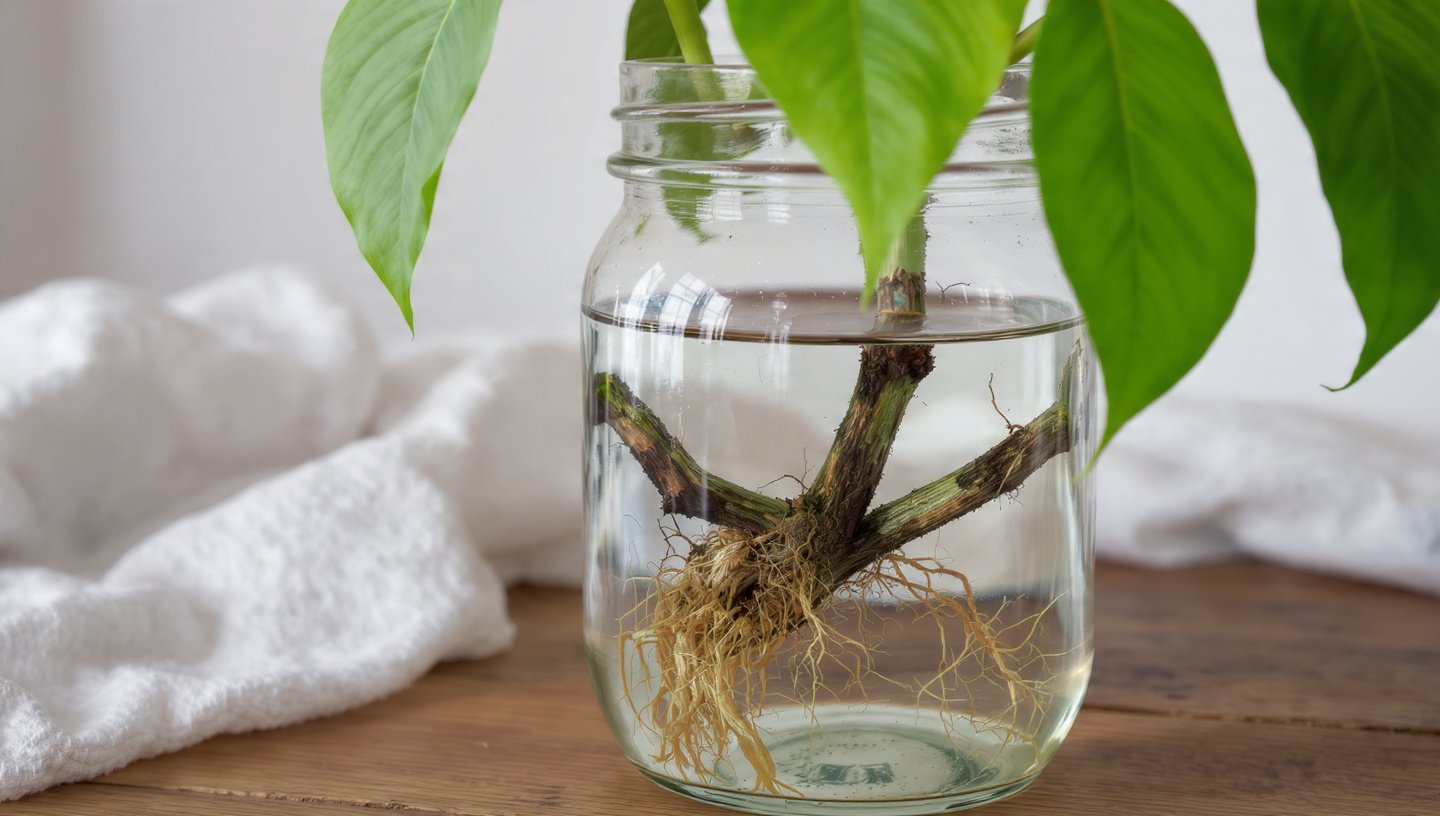
What if you could grow fresh, healthy plants without soil, fertilizers, or messy pots? It may sound too good to be true, but growing plants in just water is not only possible—it’s surprisingly easy. In fact, many popular houseplants and herbs thrive using nothing more than a glass jar, clean water, and a little patience.
Whether you’re short on space, new to gardening, or simply curious to try something different, water-growing plants offer fast results with minimal effort. Once you see how well they grow, you may never look at soil the same way again.
Why Growing Plants in Water Actually Works
Plants don’t grow because of soil—they grow because of water, oxygen, light, and nutrients. Soil mainly acts as a support system and nutrient holder. When plants are grown in water, their roots absorb what they need directly, making growth efficient and clean.
Water-based growing is a form of simple hydroponics, and it’s ideal for:
- Small apartments or dorm rooms
- Indoor gardening
- Low-maintenance plant care
- People who forget to water soil-grown plants
Best of all, there’s almost no risk of pests, root rot (when done correctly), or overwatering.
Plants That Grow Easily in Just Water
Not every plant can grow in water long-term, but many common plants thrive this way.
Easy water-growing plants include:
- Pothos
- Lucky bamboo
- Philodendron
- Spider plant
- Mint
- Basil
- Rosemary (cuttings)
- Green onions
- Coleus
These plants adapt quickly and often grow faster in water than in soil.
What You Need to Get Started
You don’t need fancy equipment. Most supplies are already in your home.
Basic supplies:
- A clean glass jar, bottle, or vase
- Fresh water (filtered or tap water left overnight)
- Healthy plant cuttings
- A bright spot with indirect light
That’s it. No pots, no potting mix, no fertilizer to start.
Step-by-Step: How to Grow Plants in Water
Step 1: Take a Healthy Cutting
Choose a strong stem with several leaves. Cut just below a node (the small bump where leaves grow), as this is where roots will form.
Remove leaves from the bottom part of the stem so they don’t sit in water.
Step 2: Place in Water
Put the cutting into your container so the node is submerged but leaves stay above water.
Make sure:
- Water covers the node
- Leaves stay dry
- The container is clean
Dirty containers encourage bacteria and algae.
Step 3: Provide Light
Place the container near a window with bright, indirect light. Avoid harsh sunlight, which can overheat the water and stress the plant.
Within days or weeks, you’ll see roots forming.
Step 4: Change the Water Regularly
Fresh water is critical.
- Change water every 5–7 days
- Rinse the container when changing water
- Use room-temperature water
This keeps oxygen levels high and prevents algae buildup.
How Long Can Plants Grow in Water?
Some plants can live in water for months—or even years—if cared for properly. However, nutrients in plain water are limited.
Once roots are well established, you can:
- Continue growing in water with occasional liquid nutrients
- Transfer the plant to soil if desired
Many people prefer to keep plants permanently in water for a clean, modern look.
Should You Add Fertilizer?
For short-term growth, plants can survive on stored nutrients. For long-term success, minimal feeding helps.
If adding nutrients:
- Use a very diluted liquid fertilizer
- Feed once every 4–6 weeks
- Never overfeed—less is more in water
Too much fertilizer can burn roots quickly.
Common Mistakes to Avoid
Even though water-growing is simple, a few mistakes can slow progress.
Avoid these errors:
- Letting leaves sit in water (causes rot)
- Using dirty containers
- Forgetting to change water
- Placing plants in direct hot sunlight
- Adding too much fertilizer
Fixing just one of these often revives struggling plants instantly.
Why Water-Grown Plants Look Healthier
Many people notice water-grown plants have:
- Brighter leaves
- Faster root growth
- Fewer pests
- Less stress
Because roots don’t struggle through compact soil, the plant focuses energy on leaf and stem growth.
It’s also easier to spot problems early since roots are visible.
Perfect for Small Spaces and Beginners
If you live in a small apartment, have limited sunlight, or feel intimidated by traditional gardening, water-growing plants are ideal.
They:
- Take up minimal space
- Require no digging or potting
- Look decorative and modern
- Are nearly impossible to overwater
Even kids and first-time gardeners can succeed on their first try.
Can You Move Water-Grown Plants to Soil?
Yes—but timing matters.
Move plants to soil when:
- Roots are at least 2–3 inches long
- Multiple roots have formed
- The plant looks stable and upright
Use loose, well-draining soil and keep it slightly moist for the first few weeks.
Some people prefer never to transfer—and that’s perfectly fine too.
Final Thoughts
Growing plants in just water feels almost magical, but it’s grounded in simple plant science. With no soil, fewer pests, and minimal maintenance, this method proves that gardening doesn’t have to be complicated to be successful.
Once you try it, you’ll likely find yourself experimenting with new cuttings, lining windowsills with glass jars, and watching roots form day by day. It’s clean, calming, and incredibly rewarding.
If you’ve ever thought gardening was too hard—or too messy—this water-only method might change everything.