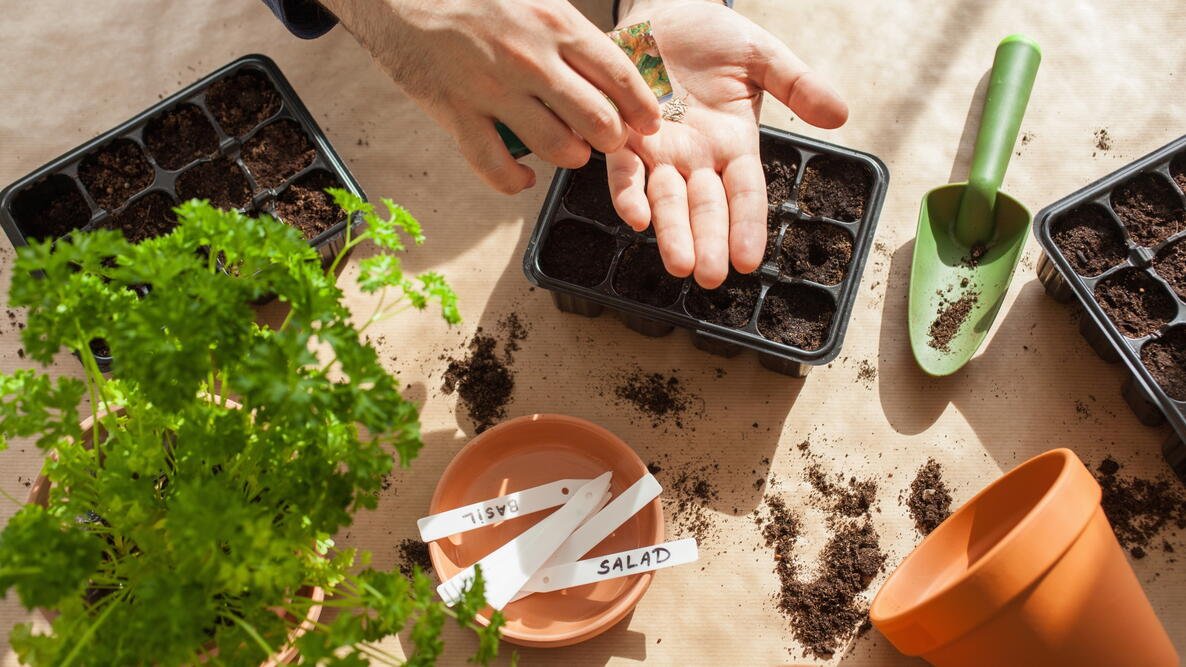
Growing your own vegetables doesn’t have to be complicated, expensive, or time-consuming. In fact, many vegetables grow so quickly that you can begin harvesting fresh produce in as little as 14 days. Whether you live in an apartment, have a small balcony, or only a sunny windowsill, this guide will show you how easy it is to grow fast vegetables at home—even if you’ve never gardened before.
If you want fresh, healthy food with minimal effort, fast-growing vegetables are the perfect place to start.
Why Grow Fast Vegetables at Home?
Fast-growing vegetables are ideal for beginners and busy people because they deliver quick results and instant motivation.
Benefits include:
- Harvest in 7–14 days
- Minimal space required
- Low maintenance
- Great for containers and indoors
- Perfect for kids and first-time gardeners
Seeing results quickly keeps you excited and encourages you to keep growing.
Vegetables You Can Harvest in 14 Days or Less
Not all vegetables grow quickly, but several thrive in short cycles.
Top fast-growing vegetables:
- Radish greens
- Lettuce (baby leaf)
- Spinach
- Arugula
- Mustard greens
- Microgreens (broccoli, pea shoots, sunflower)
- Fenugreek (methi)
- Green onions (from scraps)
These vegetables don’t need months to mature—you harvest the leaves while they’re young and tender.
The Best Containers for Quick Vegetable Growth
You don’t need fancy pots to grow vegetables quickly.
Good container options:
- Shallow trays
- Plastic containers with holes
- Old bowls or buckets
- Window boxes
- Recycled food containers
Just make sure containers have proper drainage holes to prevent waterlogging.
Choosing the Right Soil Mix
Fast growth depends on healthy soil.
Best soil mix for quick vegetables:
- 50% potting soil
- 30% compost or vermicompost
- 20% sand or coco peat
This blend provides nutrients, drainage, and moisture retention—everything fast-growing vegetables need.
Avoid heavy garden soil, which slows growth and causes poor root development.
Light: The Secret to Speedy Growth
Vegetables need light to grow quickly.
Ideal lighting conditions:
- 4–6 hours of sunlight minimum
- Bright windowsill for indoor growing
- Balcony or terrace with morning sun
If natural light is limited, use LED grow lights for 10–12 hours daily. Leafy vegetables don’t need intense light like fruiting plants.
How to Plant for Fast Results
For quick harvests, planting technique matters.
Steps:
- Fill containers with soil mix
- Sprinkle seeds evenly on the surface
- Cover lightly with soil (do not bury deep)
- Water gently using a spray bottle
- Keep soil moist until seeds sprout
Most fast vegetables germinate within 2–5 days.
Watering the Right Way
Overwatering slows growth and causes rot.
Watering tips:
- Keep soil lightly moist, not soggy
- Water in the morning
- Use a spray bottle for seedlings
- Ensure excess water drains out
Fast-growing vegetables prefer consistent moisture but hate standing water.
Feeding for Rapid Growth
Since these vegetables grow quickly, they don’t require heavy feeding.
However, to boost growth:
- Add compost before planting
- Use diluted liquid fertilizer once after 7–10 days
- Organic options like compost tea work well
Avoid chemical fertilizers—they can cause leaf burn and bitterness.
Harvesting in Just 14 Days (The Right Way)
This is where the magic happens.
How to harvest properly:
- Harvest when leaves reach 3–4 inches tall
- Cut outer leaves first
- Leave the center intact
- Never remove more than one-third of the plant
This “cut-and-come-again” method allows you to harvest multiple times from the same plants.
Vegetables That Regrow After Harvest
Some vegetables grow back repeatedly if harvested correctly.
Best regrowing vegetables:
- Lettuce
- Spinach
- Arugula
- Mustard greens
- Fenugreek
With proper care, you can harvest every 7–10 days for several weeks.
Growing Vegetables Indoors Without Soil (Optional)
For even faster results, try soil-free growing methods.
Easy options include:
- Microgreen trays
- Growing green onions in water
- Hydroponic starter kits
- Mason jar growing
These methods are clean, fast, and perfect for kitchens and apartments.
Common Mistakes That Slow Growth
Avoid these beginner errors:
- Overwatering
- Poor drainage
- Lack of sunlight
- Overcrowding plants
- Using old or low-quality seeds
Correcting these mistakes instantly improves growth speed and harvest quality.
How to Keep Harvesting Every Two Weeks
For a constant supply:
- Sow new seeds every 7–10 days
- Use multiple containers
- Replace tired plants after 4–6 weeks
- Refresh soil with compost regularly
This technique ensures fresh vegetables on your plate all month long.
Perfect for Small Homes and Urban Living
Fast vegetable gardening is ideal for:
- Apartments
- Balconies
- Rooftops
- Dorm rooms
- Busy households
You don’t need land—just light, containers, and enthusiasm.
Final Thoughts
Growing vegetables at home doesn’t have to take months. With the right crops, soil, and simple care, you can start harvesting fresh, nutritious vegetables in just 14 days. These quick-growing plants are perfect for beginners, urban gardeners, and anyone who wants healthy food without hassle.
Once you experience the joy of harvesting your own vegetables so quickly, gardening becomes addictive—in the best possible way.