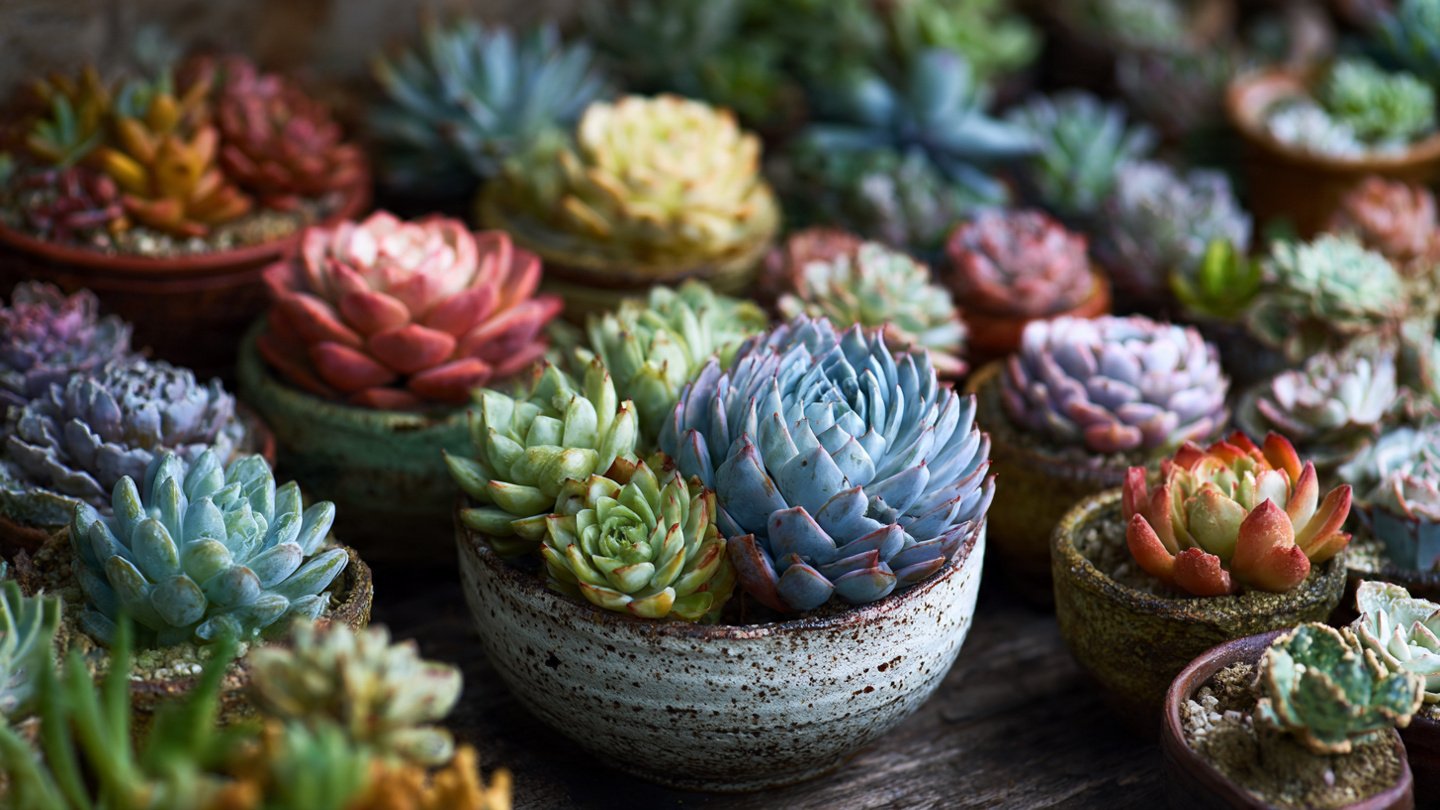
Succulents are beloved for their low maintenance, sculptural beauty, and vibrant colors, but most gardeners associate them with bright, sunny windows. What if your home doesn’t have ample sunlight? The good news is that many succulents thrive in low-light or indirect light conditions, offering the same visual appeal and air-refreshing benefits without the harsh sun.
This article explores the best sun-free succulents and provides tips on how to care for them, helping you brighten any room instantly, whether it’s a cozy apartment, office, or shaded corner of your home.
1. Why Choose Sun-Free Succulents?
Succulents are often praised for their resilience, but many species can struggle in low-light environments. Choosing sun-free succulents offers several benefits:
- Versatility in placement: You can decorate windows away from direct sun, bathrooms, and offices.
- Low maintenance: Less sunlight often means slower growth, reducing frequent pruning or repotting.
- Air purification: Like other indoor plants, succulents improve indoor air quality.
- Instant décor: Their unique shapes, colors, and textures make any space feel fresh and lively.
By selecting the right species, you can enjoy succulent beauty even in shaded or indoor spaces.
2. Best Sun-Free Succulents
a. Haworthia
Haworthias are small, rosette-shaped succulents perfect for low-light areas:
- Prefer bright, indirect light but tolerate shaded corners.
- Require minimal watering—ideal for beginners.
- Compact size makes them perfect for desks, shelves, or small pots.
Their spiky yet elegant leaves bring texture and interest without demanding sunlight.
b. Gasteria
Gasteria succulents are often called “ox-tongue” plants due to their thick, textured leaves:
- Thrive in low-light or filtered light conditions.
- Slow-growing, so minimal repotting is required.
- Excellent for mixing with other succulents in indoor arrangements.
Their unusual leaf patterns add visual intrigue to any tabletop or shelf.
c. Snake Plant (Sansevieria)
Although technically a succulent, snake plants are legendary for surviving extremely low-light conditions:
- Upright, sword-like leaves create architectural impact.
- Minimal care: can survive weeks without water.
- Helps purify indoor air, improving overall room freshness.
Snake plants are perfect for dark corners, entryways, or offices with limited natural light.
d. Aloe Vera
Aloe Vera doesn’t always need direct sunlight to thrive:
- Prefers indirect light, making it suitable for north-facing windows or shaded rooms.
- Leaves contain healing gel, adding functional value.
- Works well in medium-sized planters or grouped succulent displays.
Aloe Vera’s bright green color and fleshy texture brighten indoor spaces instantly.
e. Zebra Cactus (Haworthia attenuata)
Zebra Cactus is a visually striking, low-light succulent:
- White stripes on deep green leaves create a modern, eye-catching aesthetic.
- Tolerates low light better than many desert succulents.
- Compact size allows for windowsills, terrariums, or decorative trays.
This plant’s graphic look adds contrast and style without sunlight requirements.
f. Jade Plant (Crassula ovata)
While jade plants prefer some light, they can survive indirect or low-light conditions:
- Thick, glossy leaves give a vibrant, full look indoors.
- Symbol of prosperity in many cultures, making it a meaningful décor piece.
- Slow-growing in low light, reducing maintenance while still looking lush.
Jade plants bring a touch of green luxury to rooms with minimal sun exposure.
3. Placement and Care Tips for Sun-Free Succulents
Even low-light succulents benefit from thoughtful placement and care:
- Light direction: Place near north-facing windows or shaded areas with ambient light.
- Rotation: Turn plants occasionally so all sides receive indirect light.
- Watering: Less light usually means slower growth; water only when soil is dry. Overwatering is the leading cause of succulent death indoors.
- Soil: Use well-draining succulent soil to prevent root rot.
- Containers: Terracotta pots work well because they allow soil to dry quickly, reducing moisture-related issues.
Proper care ensures that your sun-free succulents remain vibrant and healthy, even in dim rooms.
4. Combining Succulents for Instant Greenery
To maximize visual impact:
- Group different species: Mix Haworthia, Gasteria, and Aloe for varied textures and heights.
- Terrariums: Create mini green worlds with pebbles, soil layers, and low-light succulents.
- Shelf arrangements: Place sun-free succulents in clusters at varying heights for dynamic displays.
- Desk décor: Single small succulents like Zebra Cactus brighten workspaces without overwhelming them.
By thoughtfully combining species, even low-light rooms can feel lush and alive.
5. Benefits Beyond Aesthetics
Sun-free succulents do more than decorate:
- Stress reduction: Indoor plants promote calmness and productivity.
- Air quality improvement: Some succulents, like Aloe and Snake Plants, filter toxins from indoor air.
- Low-maintenance wellness: These plants thrive with minimal attention, fitting into busy lifestyles.
- Conversation starters: Unique leaf shapes, textures, and patterns spark interest and admiration.
Even without sunlight, succulents can enhance both health and ambiance.
6. Avoiding Common Mistakes
- Overwatering: Low-light succulents need less water than sunny counterparts.
- Crowding: Give plants enough space to prevent air circulation issues and mold.
- Neglecting indirect light: Even “sun-free” succulents benefit from ambient or artificial light.
- Improper soil: Avoid heavy, compact soils; choose fast-draining succulent mixes.
Following these tips ensures your succulents remain thriving focal points in any room.
7. Ideal Rooms for Sun-Free Succulents
- Bathrooms: High humidity favors low-light succulents like Haworthia and Gasteria.
- Offices: Snake Plants or Aloe Vera provide greenery without the need for a sunny window.
- Living Rooms: Group arrangements on shelves, tables, or mantelpieces enhance décor.
- Bedrooms: Small sun-free succulents improve air quality and relaxation.
Anywhere indirect light reaches, succulents can instantly liven up space.
8. Final Thoughts
Sun-free succulents prove that lush, indoor greenery isn’t limited to sunny windowsills. From the compact and patterned Haworthia to the tall, architectural Snake Plant, these hardy indoor plants can brighten any room quickly and effortlessly.
With proper care—right soil, minimal watering, and indirect light—these low-light succulents can provide year-round greenery, making your home feel alive, fresh, and welcoming.
Whether you’re decorating a dim corner, enhancing your workspace, or simply want greenery without fuss, sun-free succulents are a beautiful, practical choice that delivers instant visual and emotional impact.