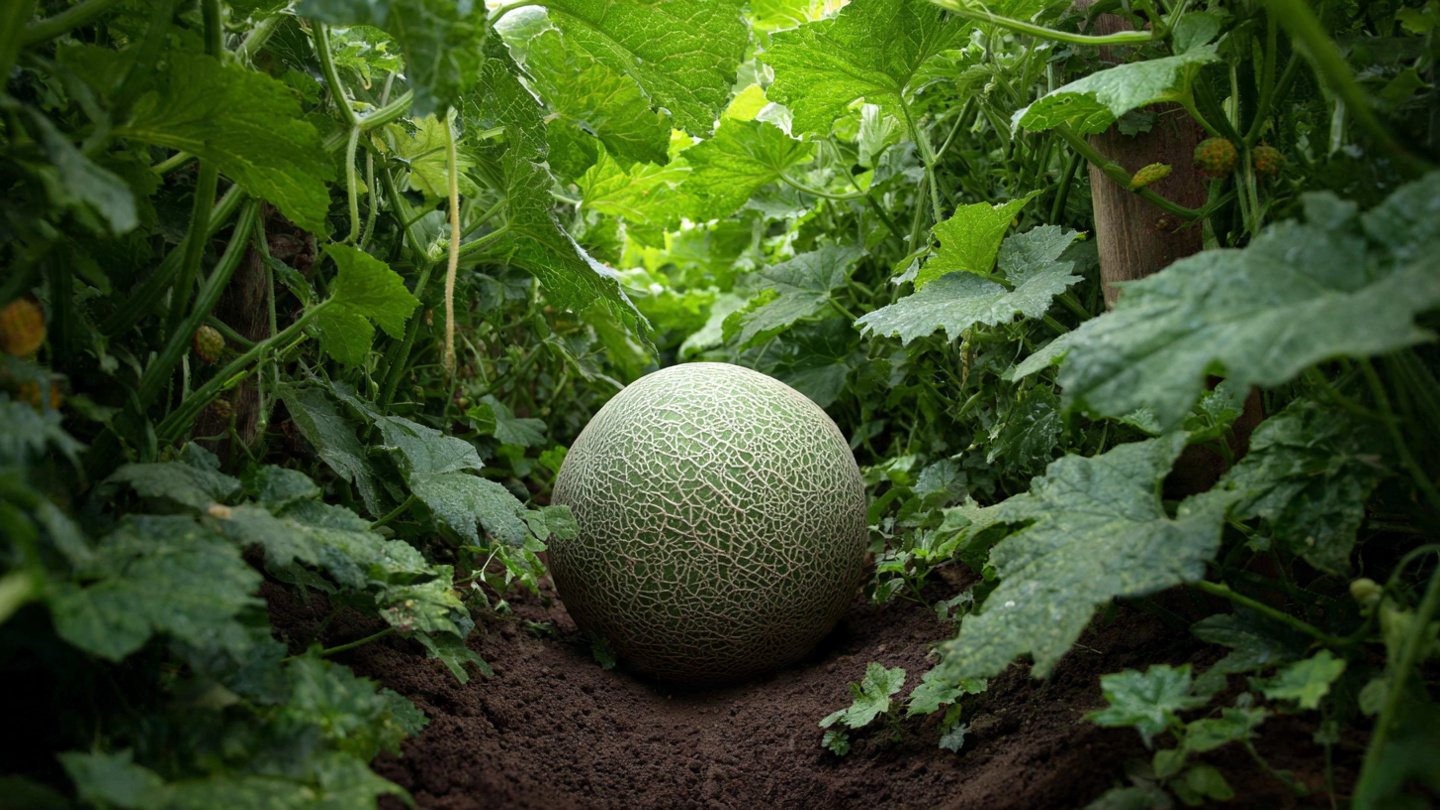
Every gardener dreams of a plant that looks unusual, grows vigorously, and produces more fruit than expected. Recently, a strange-looking melon has been surprising gardeners by delivering exceptionally heavy yields with surprisingly simple care. At first glance, it doesn’t seem special—its vines may look similar to other melons—but once it starts fruiting, the results are hard to ignore.
So what’s the secret behind this melon’s productivity? Is it genetics, planting technique, soil care, or something else entirely? The truth is, it’s a combination of smart biology and a few gardening practices that work with the plant instead of against it. Let’s break down why this melon produces so much fruit—and how you can replicate its success in your own garden.
What Makes This Melon So “Strange”?
The “strangeness” of this melon usually comes from one or more of the following traits:
- Unusual fruit shape or color
- Extremely vigorous vine growth
- Ability to flower continuously
- High female flower production
- Fruits forming in clusters rather than singly
Unlike traditional melons that put most of their energy into a few large fruits, this type focuses on quantity over size, producing many medium-sized melons instead of just two or three giants.
The Real Secret: Genetics Built for Productivity
The first and most important reason this melon produces heavily is genetics. Some melon varieties are naturally bred or selected to:
- Produce more female flowers
- Set fruit quickly after pollination
- Continue flowering throughout the season
- Tolerate heat, humidity, and stress
Female flowers are key. Since only female flowers become fruit, a plant that produces more of them automatically has higher yield potential. This melon often produces multiple female flowers per node, which is uncommon in standard varieties.
Fast Growth Means Faster Fruiting
Another secret is rapid vine development. This melon establishes roots quickly and sends out long, healthy vines early in the season. Strong vegetative growth allows the plant to:
- Support more flowers
- Feed multiple fruits at once
- Recover quickly after harvesting
Instead of slowing down after the first harvest, it keeps producing new flowers and fruit as long as conditions remain favorable.
Soil Is a Bigger Factor Than You Think
Gardeners who get the highest yields almost always start with rich, living soil.
This melon thrives when planted in soil that is:
- Loose and well-draining
- Rich in organic matter
- Slightly warm before planting
Adding compost, aged manure, or vermicompost before planting makes a dramatic difference. The plant’s fast growth demands constant nutrition, and poor soil is the fastest way to limit production.
The Spacing Secret Most Gardeners Miss
One surprising trick is giving the plant more space, not less.
While it’s tempting to plant melons close together, this variety performs best when each plant has room to spread. Crowding leads to:
- Fewer female flowers
- Poor airflow
- Increased disease
- Smaller fruits
When planted with generous spacing, the plant focuses on fruiting instead of competing for light and nutrients.
Pollination: The Hidden Yield Booster
Many gardeners overlook pollination, but it’s critical for heavy fruit set.
This melon produces many flowers, but without proper pollination, they won’t develop into fruit. Gardens with:
- Bees
- Butterflies
- Other pollinators
see dramatically better yields. Some gardeners even hand-pollinate early flowers to kick-start production, which encourages the plant to keep flowering aggressively.
Watering the Right Way (Not More, Not Less)
This melon doesn’t like extremes. The secret is consistent moisture, not constant wetness.
Best watering practices include:
- Deep watering 2–3 times per week
- Watering at the base, not overhead
- Mulching to retain moisture
Inconsistent watering causes stress, which reduces flower production and leads to misshapen fruit.
Feeding Strategy That Maximizes Fruit
Heavy-producing plants need steady nutrition, but overfeeding can actually reduce yields.
The ideal approach:
- Balanced fertilizer early for growth
- Higher potassium during flowering and fruiting
- Avoid excessive nitrogen after flowering starts
Too much nitrogen creates massive vines but fewer fruits. Gardeners who focus on fruit-supporting nutrients see far better results.
Pruning: The Counterintuitive Trick
It sounds strange, but light pruning increases yield.
By removing:
- Excess side shoots
- Weak or shaded growth
- Overcrowded vines
the plant redirects energy into flowering and fruit development. Some gardeners also pinch the growing tips once the plant is established, which triggers more lateral flowering shoots.
Why This Melon Keeps Producing All Season
Unlike traditional melons that stop after a few harvests, this melon has a continuous production cycle.
As long as:
- Old fruits are harvested promptly
- The plant stays healthy
- Nutrients and water are consistent
the vine keeps producing new flowers. Delaying harvest sends a signal to slow down, so frequent picking actually increases total yield.
Common Mistakes That Reduce Yields
Even this high-performing melon can disappoint if basic mistakes are made:
- Planting in poor soil
- Overcrowding
- Ignoring pollinators
- Overwatering or underwatering
- Letting fruits over-ripen on the vine
Avoiding these mistakes is often the difference between a few fruits and an overflowing harvest.
Is This Melon Worth Growing?
Absolutely. Gardeners who grow this type of melon often report:
- Higher yields in small spaces
- Longer harvest periods
- Better stress tolerance
- More reliable results than standard melons
It’s especially valuable for home gardeners who want maximum production without complicated techniques.
Final Thoughts: The Real Secret Revealed
The secret behind this strange melon isn’t magic—it’s smart plant design combined with simple, correct gardening practices. Strong genetics, high female flower production, proper spacing, consistent care, and timely harvesting all work together to create astonishing yields.
Once you understand how this melon grows and what it needs, the results can feel almost unbelievable. If you’ve ever wanted a plant that rewards you generously for basic care, this might be the most satisfying melon you’ll ever grow.