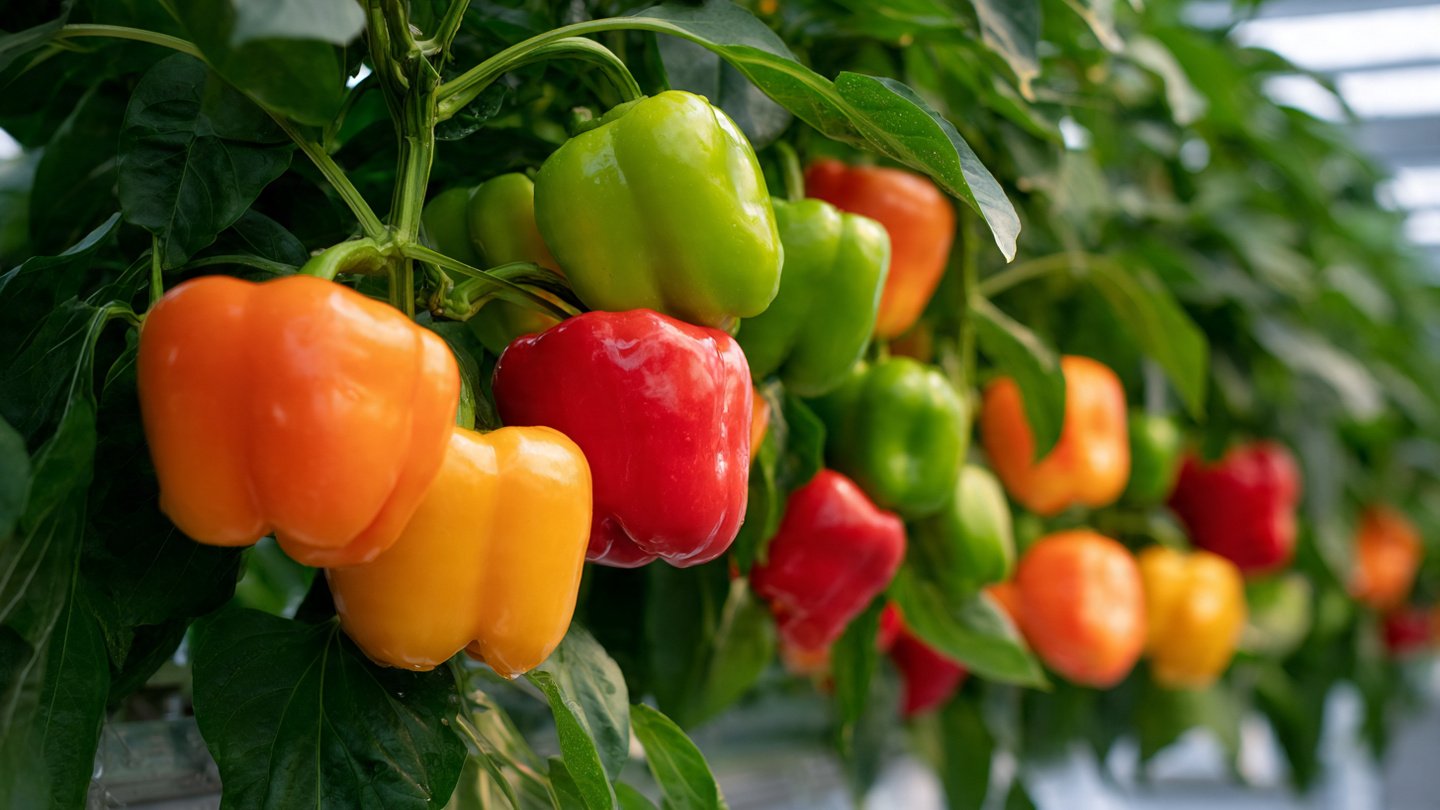
Bell peppers are one of the most versatile and colorful vegetables to grow at home. Their crisp texture, sweet flavor, and rich nutritional content make them a favorite for salads, stir-fries, and sauces. While traditional garden beds work well, a hanging garden system can be a game-changer, especially for urban gardeners or those with limited space. Hanging gardens allow for efficient use of vertical space, better airflow, and easier pest management. This guide provides a step-by-step approach to growing big, healthy bell peppers in hanging systems, ensuring abundant harvests even in small spaces.
Why Choose a Hanging Garden for Bell Peppers?
Hanging gardens offer several advantages for growing bell peppers:
- Space-saving: Perfect for balconies, terraces, and patios where ground space is limited.
- Better airflow: Reduces the risk of fungal infections and pest infestations.
- Soil control: Containers allow you to use high-quality, nutrient-rich soil for maximum growth.
- Ease of maintenance: Watering, fertilizing, and harvesting are easier when plants are at eye level.
- Aesthetic appeal: Hanging peppers create a vibrant, decorative garden feature.
By leveraging vertical space, you can grow more plants and enjoy higher yields than traditional in-ground planting.
Choosing the Right Hanging Garden System
Several hanging systems work well for bell peppers:
- Hanging pots: Traditional plastic, ceramic, or wooden pots suspended with ropes or chains.
- Wall-mounted pockets: Fabric or plastic pockets that hold soil and plants vertically.
- Tiered hanging systems: Multi-level containers that maximize vertical space.
When selecting a system, ensure it provides:
- Adequate space for roots to grow.
- Strong support for mature plants with heavy fruits.
- Good drainage to prevent waterlogging.
Selecting the Best Bell Pepper Variety
Bell peppers come in a variety of colors, sizes, and growth habits. For hanging gardens, choose compact or dwarf varieties for easier management:
- California Wonder: Large, sweet fruits ideal for containers.
- Gypsy: Compact plant with high yield.
- Sweet Chocolate or Red Knight: Produces large fruits and tolerates container growth.
Selecting a variety suited for container or hanging growth ensures better results and bigger, healthier peppers.
Preparing Containers and Soil
Proper container preparation is essential for successful hanging pepper gardens.
Container Preparation:
- Choose pots at least 12 inches in diameter and 10–12 inches deep for one plant.
- Ensure drainage holes are present to prevent root rot.
- Use strong ropes, chains, or wall brackets capable of supporting the plant and fruit weight.
Soil Preparation:
Bell peppers thrive in well-draining, nutrient-rich soil. A recommended mix includes:
- 50% high-quality garden soil or compost
- 30% coco peat or peat moss for moisture retention
- 20% perlite or sand for drainage and aeration
Fill the pots with this mix, leaving about 2 inches from the top for watering and mulching.
Step-by-Step Planting
Step 1: Start with Healthy Seedlings
While bell peppers can be grown from seeds, starting with seedlings gives faster results. Choose strong, disease-free plants with at least 4–6 true leaves.
Step 2: Transplant into Hanging Pots
- Gently remove seedlings from nursery pots, keeping the root ball intact.
- Place the seedling in the center of the prepared container.
- Fill around the roots with soil mix and press gently.
- Water immediately to settle the soil.
Step 3: Position the Hanging Garden
- Hang pots in a location receiving 6–8 hours of sunlight daily.
- Avoid areas with strong winds, as hanging pots may sway and damage plants.
Supporting and Training the Vines
Although bell peppers are relatively compact, larger varieties can become top-heavy with fruits. Provide support by:
- Using small stakes or bamboo sticks tied loosely to the main stem.
- Ensuring hanging systems are stable to hold the plant weight.
- Pruning side shoots that are weak or overcrowded to focus energy on main stems.
Proper support helps produce bigger fruits and reduces stress on the plant.
Watering and Fertilization
Bell peppers in hanging pots require consistent moisture because containers dry out faster than ground soil.
Watering:
- Water deeply 2–3 times per week, depending on temperature.
- Avoid wetting the leaves directly to prevent fungal infections.
Fertilization:
- Incorporate compost or slow-release organic fertilizer at planting.
- Feed with liquid fertilizer every 2 weeks once flowering begins.
- High potassium and phosphorus fertilizers support flower development and larger fruits.
Consistent feeding ensures strong growth, vibrant flowers, and juicy, healthy peppers.
Mulching for Healthier Plants
Mulching is crucial in hanging systems to maintain moisture and reduce temperature fluctuations. Use straw, dried leaves, or shredded bark. Mulch also prevents soil from drying too quickly and reduces the growth of weeds, keeping your plants healthy and focused on fruit production.
Pollination for Maximum Yield
Bell peppers require pollination to produce fruit. In a hanging garden:
- Natural pollinators like bees may have limited access.
- Use a small paintbrush or electric pollen vibrator to transfer pollen from male to female flowers.
- Hand pollination increases the number of fruits per plant and ensures better-quality peppers.
Regular pollination is key to maximizing yields in container and hanging gardens.
Common Problems and Solutions
Even in controlled hanging systems, bell peppers can face challenges:
- Yellowing leaves: Often a sign of nutrient deficiency. Feed with nitrogen-rich fertilizer.
- Blossom drop: Caused by irregular watering or temperature stress. Maintain consistent moisture and protect from heat spikes.
- Pests: Aphids, whiteflies, or spider mites may attack. Neem oil or insecticidal soap can control infestations.
- Fungal infections: Provide good airflow and avoid wetting leaves during watering.
By monitoring plants regularly, most problems can be prevented or controlled early.
Harvesting Big, Healthy Bell Peppers
Harvesting at the right time ensures the best flavor and encourages continued fruit production:
- Pick peppers when they reach full size and color.
- Use a sharp knife or scissors to avoid damaging the plant.
- Regular harvesting stimulates the plant to produce more flowers and fruits.
With proper care, a single hanging bell pepper plant can produce multiple large fruits throughout the growing season.
Advantages of Hanging Bell Pepper Gardens
Hanging gardens are ideal for urban and small-space gardeners because:
- They allow high-density planting in limited spaces.
- Plants are easier to manage, water, and fertilize.
- Better airflow reduces disease risk and improves fruit quality.
- Vertical arrangement adds aesthetic value to balconies, terraces, and patios.
- Bigger, healthier peppers can be grown with less space and effort.
By using hanging systems, gardeners can maximize productivity and enjoy fresh, homegrown bell peppers year-round.
Conclusion
Growing big, healthy bell peppers in a hanging garden system is both practical and highly rewarding. By carefully selecting compact varieties, preparing nutrient-rich soil, supporting vines, and providing proper care, even gardeners with limited space can enjoy abundant harvests. Hanging gardens offer the perfect solution for urban living, balcony gardening, or small backyard setups, allowing you to produce colorful, flavorful bell peppers with minimal effort. With patience, attention, and the right techniques, you can turn vertical spaces into productive, beautiful gardens, and enjoy fresh, homegrown bell peppers straight from your hanging pots.