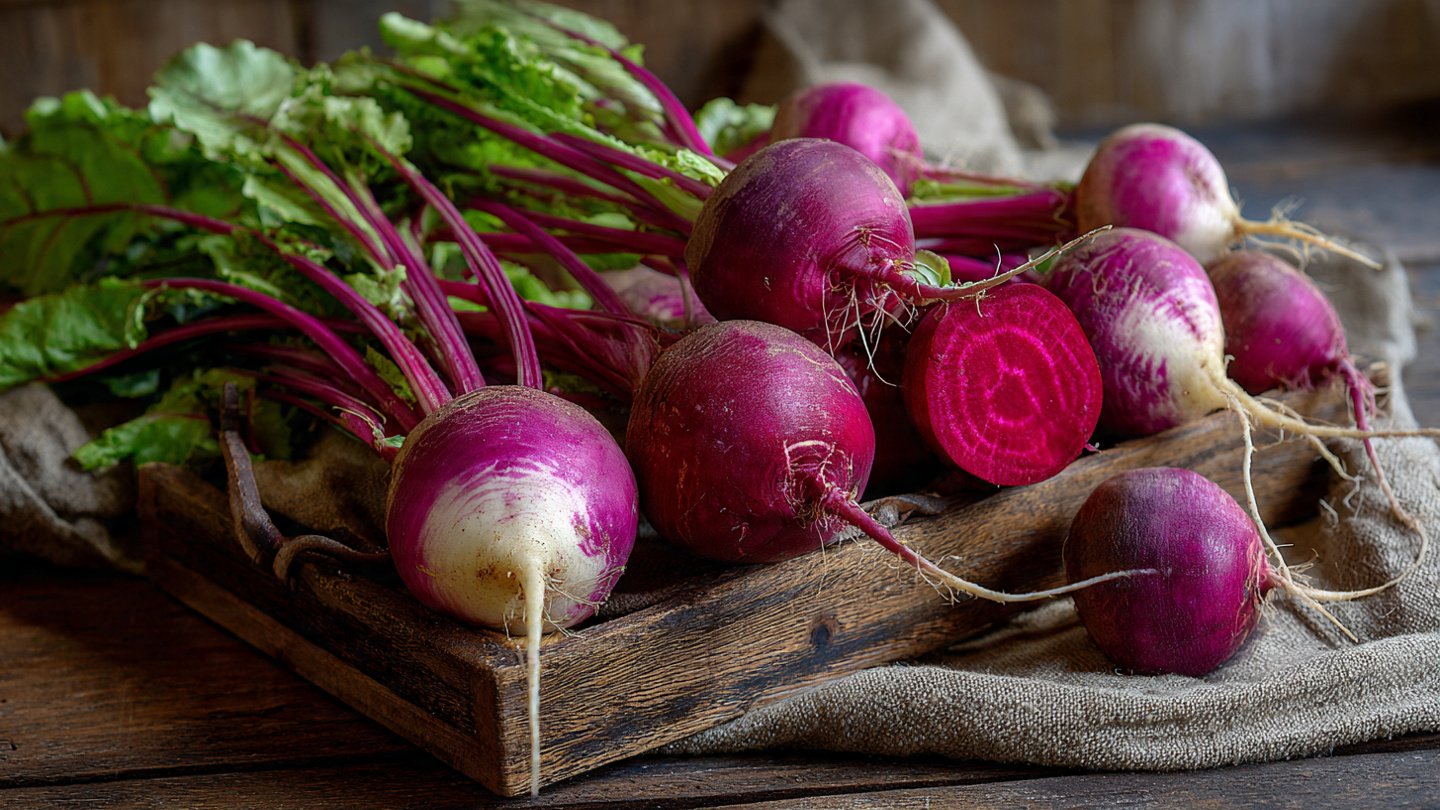
Gardeners are always looking for ways to get ahead of the season and maximize their summer harvests. While many vegetables are planted in spring, some unusual crops actually benefit from being started in mid-winter, giving them a head start for stronger growth and higher yields. One such vegetable, often overlooked, can transform your summer garden if you give it an early start.
This article explains why starting certain vegetables in winter works, which unusual vegetable thrives this way, and how to ensure a bountiful summer harvest.
1. Why Start Vegetables in Mid-Winter?
Starting vegetables indoors during the cold months offers several advantages:
- Extended growing season: Plants have a head start before outdoor temperatures warm up.
- Stronger seedlings: Early nurturing allows young plants to develop sturdy roots and leaves.
- Higher yields: Early planting often translates to larger, more productive plants.
- Pest avoidance: Seedlings grown indoors avoid early-season pests that can harm young plants outdoors.
For gardeners with limited outdoor growing time, mid-winter sowing can be a game-changer.
2. Introducing the Unusual Vegetable: Kohlrabi
The vegetable we’re focusing on is kohlrabi, a member of the brassica family, closely related to cabbage, broccoli, and kale. Kohlrabi is unusual in appearance—its swollen stem resembles a small turnip—but it is packed with nutrients:
- Vitamin C: Supports immune health
- Fiber: Aids digestion and satiety
- Antioxidants: Promote cellular health
- Low-calorie, versatile: Ideal for a variety of dishes, from slaws to roasted dishes
Kohlrabi thrives when started early, giving gardeners a chance to enjoy crisp, flavorful bulbs in midsummer.
3. How Mid-Winter Sowing Benefits Kohlrabi
Kohlrabi responds exceptionally well to winter starting because:
- It tolerates cool temperatures: Early seedlings can withstand brief frost once hardened off.
- It establishes quickly: By the time spring arrives, seedlings are strong and ready to thrive outdoors.
- It grows larger bulbs: Early start means more time for swelling, resulting in a bigger harvest.
- Leaves remain tender: Kohlrabi leaves are edible and nutritious, providing extra harvest while bulbs mature.
By starting in mid-winter, gardeners can enjoy both early and high-quality yields.
4. Step-by-Step Guide to Starting Kohlrabi Indoors
a. Choosing Containers
- Use seed trays or small pots with drainage holes.
- Avoid overcrowding; each seedling needs space for roots to develop.
b. Soil Mix
- Use a lightweight, well-draining potting mix.
- Enrich soil with compost or organic fertilizer to give seedlings a nutrient boost.
c. Sowing Seeds
- Sow kohlrabi seeds 0.5–1 cm deep.
- Keep the soil consistently moist but not waterlogged.
- Maintain indoor temperatures around 65–70°F (18–21°C) for optimal germination.
d. Light Requirements
- Place seedlings near a south-facing window or under grow lights.
- Kohlrabi needs 12–14 hours of light daily for strong, compact growth.
5. Caring for Kohlrabi Seedlings
- Watering: Keep soil slightly damp; avoid letting it dry out.
- Thinning: Once seedlings develop their first true leaves, thin weaker plants to allow room for robust growth.
- Fertilization: Use a balanced liquid fertilizer every 2–3 weeks to promote healthy stems.
- Hardening off: Two weeks before transplanting outdoors, gradually expose seedlings to outdoor conditions.
Proper care ensures seedlings are ready to survive transplant shock and flourish in the garden.
6. Transplanting Outdoors in Spring
Once the soil is workable and frost risk is low, move seedlings outdoors:
- Spacing: Plant kohlrabi 6–8 inches apart for medium bulbs; allow extra space for larger varieties.
- Soil: Preferably rich, well-drained soil with consistent moisture.
- Sunlight: Kohlrabi thrives in full sun to partial shade, especially in warmer climates.
- Mulching: Use straw or leaf mulch to retain moisture and regulate temperature.
Seedlings started in winter will adapt quickly and continue rapid growth, producing large, tender bulbs.
7. Common Challenges and How to Avoid Them
a. Pests
- Watch for cabbage worms, aphids, and flea beetles.
- Use row covers or natural repellents to protect young plants.
b. Bolting
- Bolting occurs when plants experience sudden heat, causing premature flowering.
- Mid-winter seedlings planted early are more resistant to heat stress in early summer.
c. Uneven Growth
- Provide consistent water and fertilizer to prevent woody stems or irregular bulb shapes.
By addressing these challenges proactively, gardeners can maximize both quality and quantity of their harvest.
8. Harvesting Kohlrabi
- Harvest when bulbs reach 2–3 inches in diameter for optimal tenderness.
- Bulbs can be peeled or eaten raw; leaves are edible and nutrient-rich.
- Early-started plants can produce multiple harvests, as leaves regrow after picking.
Winter-started kohlrabi typically matures earlier than spring-sown plants, giving you a head start on summer meals.
9. Other Unusual Vegetables Suitable for Winter Starting
While kohlrabi is ideal, several other vegetables also benefit from mid-winter sowing:
- Brussels sprouts: Longer growing season yields larger heads.
- Leeks: Early sowing produces tender, thick stalks.
- Cabbage: Stronger seedlings resist pests and diseases.
- Broccoli: Early start ensures extended summer harvests.
Experimenting with unusual winter-started vegetables diversifies the garden and maximizes productivity.
10. Final Thoughts
Starting unusual vegetables like kohlrabi in mid-winter is a smart strategy for gardeners seeking bigger, healthier summer harvests. By giving plants a head start, you extend the growing season, produce more robust seedlings, and enjoy early, tender vegetables.
With careful attention to light, temperature, and soil nutrition, even the coldest months can set the stage for lush, productive summer gardens. For those ready to experiment, mid-winter sowing offers both a rewarding challenge and delicious results, turning your garden into a vibrant oasis of unusual, nutritious crops.