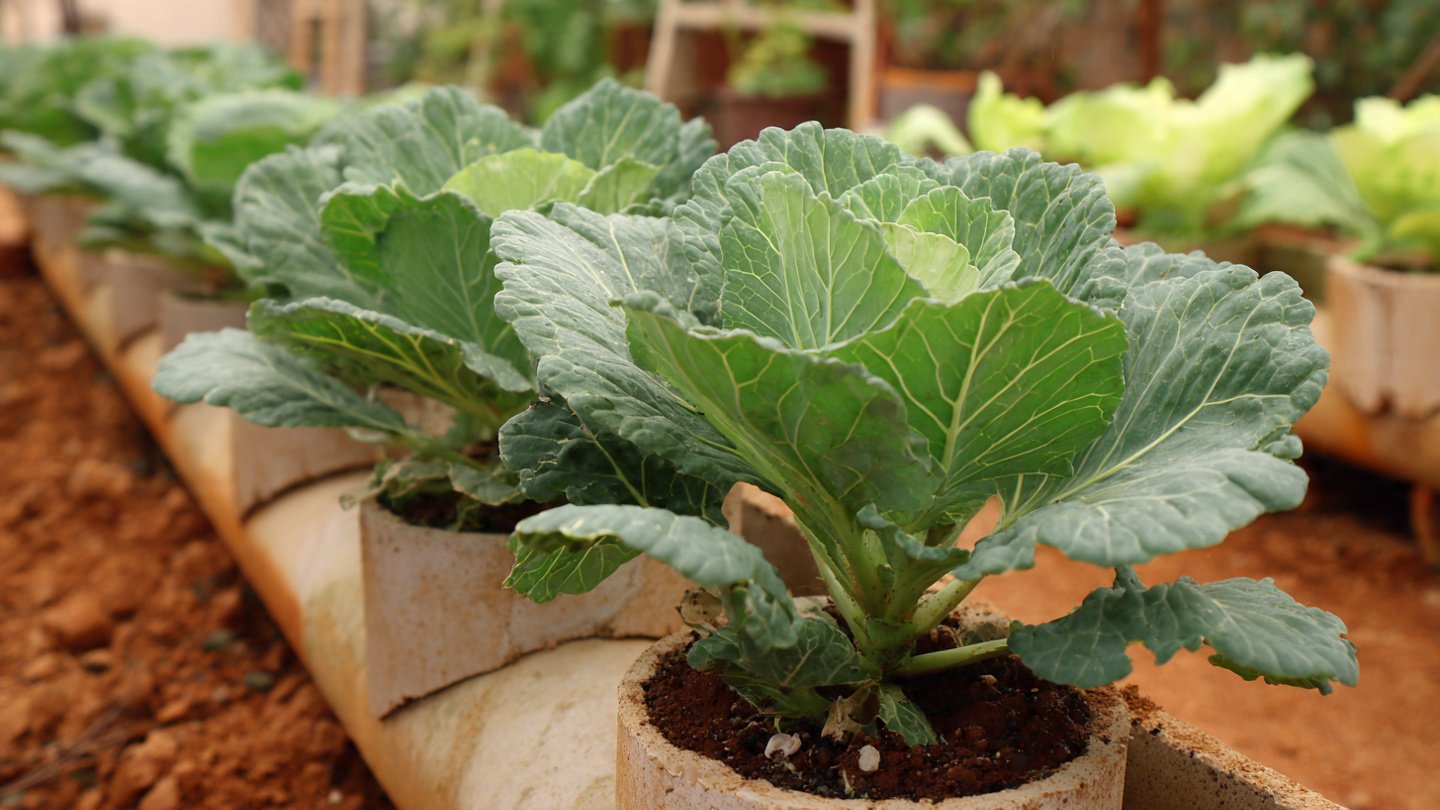
Urban living and small apartments often come with limited space for traditional gardening, but that doesn’t mean you have to give up growing your own fresh vegetables. Innovative gardening solutions, such as vertical gardens and container systems, have made it possible for anyone to cultivate plants at home. One of the most effective and creative space-saving techniques is growing vegetables like curly cabbage in PVC pipes. This method not only maximizes vertical space but also reduces soil usage, minimizes water waste, and adds a unique aesthetic to your home garden. This article will guide you through everything you need to know to successfully grow curly cabbage in PVC pipes.
Why Choose Curly Cabbage for PVC Gardening?
Curly cabbage, also known as kale or leaf cabbage, is a nutrient-dense leafy green that is rich in vitamins A, C, and K, as well as minerals like calcium and iron. It is highly versatile in the kitchen, ideal for salads, smoothies, sautés, and soups. Several reasons make curly cabbage particularly suitable for PVC pipe gardening:
- Compact Growth: Curly cabbage varieties generally have a manageable size, making them suitable for confined spaces.
- Fast-Growing: With proper care, curly cabbage matures faster than many other leafy vegetables.
- Resilient: This plant is hardy, tolerates various conditions, and can grow year-round in controlled indoor environments.
- High Yield per Space: Vertical PVC setups allow multiple plants to grow simultaneously in a small footprint.
By growing curly cabbage in PVC pipes, you can enjoy fresh, homegrown greens without the need for a traditional garden plot.
Materials Needed for PVC Pipe Gardening
Before starting, gather the necessary materials. You don’t need expensive equipment; most items are easy to find:
- PVC pipes: 4–6 inches in diameter and 3–6 feet long are ideal.
- End caps: To seal the bottom of the pipes.
- Drill with hole saw attachment: For creating planting holes.
- Potting mix: Nutrient-rich soil suitable for leafy greens.
- Compost or organic fertilizer: To provide additional nutrients.
- Seeds or seedlings: Curly cabbage varieties like Dwarf Blue Curled or Red Russian.
- Watering system: A watering can or a simple drip irrigation setup.
- Support structure: Optional, if you want to create a freestanding vertical pipe garden.
Step 1: Preparing the PVC Pipes
- Cut the Pipes: If needed, cut the PVC pipes to your desired length. Shorter pipes are easier to manage indoors, while taller pipes can accommodate more plants.
- Drill Planting Holes: Use a drill with a hole saw attachment to make holes along the length of the pipe. Space the holes 6–8 inches apart for optimal growth. Each hole should be slightly larger than the root ball of your seedlings.
- Seal the Bottom: Attach an end cap to the bottom of each pipe to prevent soil from falling out. If you are using multiple stacked pipes, make sure each layer is stable.
- Optional Drainage: Drill small holes in the bottom cap if you prefer drainage, but for a vertical system, it’s often better to retain moisture.
Step 2: Preparing the Soil
Curly cabbage thrives in nutrient-rich, well-draining soil. Here’s how to prepare it:
- Mix Potting Soil and Compost: Combine potting mix with compost or organic fertilizer for a balanced nutrient profile.
- Add Perlite or Sand: This improves drainage and prevents soil compaction inside the pipe.
- Moisture Check: The soil should be moist but not soggy. Overly wet soil can cause root rot, while dry soil can stunt growth.
Step 3: Planting Curly Cabbage
You can grow curly cabbage from seeds or seedlings:
From Seeds:
- Fill each PVC hole with soil, leaving a small gap at the top.
- Plant 2–3 seeds per hole and cover lightly with soil.
- Water gently to avoid washing seeds away.
- Thin seedlings once they sprout, leaving the strongest plant in each hole.
From Seedlings:
- Remove the seedling carefully from its nursery pot.
- Insert the root ball into each PVC hole and fill with soil to stabilize the plant.
- Water immediately after planting to help roots settle.
Step 4: Watering and Fertilization
Proper watering is crucial for vertical PVC pipe gardens:
- Consistent Moisture: Curly cabbage needs consistent moisture. Check soil daily, especially in warmer months.
- Drip Irrigation: Installing a simple drip system along the length of the pipe ensures even watering for all plants.
- Fertilization: Use liquid organic fertilizers every 2–3 weeks or incorporate slow-release fertilizers into the soil. Leafy greens like curly cabbage respond well to nitrogen-rich nutrients that promote lush foliage.
Step 5: Light Requirements
Curly cabbage requires at least 6–8 hours of sunlight per day. If you are growing indoors:
- Near a Window: Place your PVC pipe garden near a south-facing window to maximize natural light.
- Grow Lights: If sunlight is insufficient, use LED grow lights to supplement. Position lights 6–12 inches above the plants and keep them on for 12–14 hours per day.
Step 6: Supporting Your Vertical Garden
PVC pipe gardens are lightweight but can become unstable when fully planted. To ensure safety and stability:
- Freestanding Structure: Use brackets or a wooden frame to hold pipes upright.
- Wall-Mounted Setup: Attach pipes securely to a wall using clamps or straps.
- Spacing: Leave at least 12 inches between each pipe if stacking multiple vertical units to allow airflow and light penetration.
Step 7: Managing Pests and Diseases
Curly cabbage, like other leafy greens, can attract pests. Common issues include:
- Aphids: Small green insects that cluster on leaves. Spray with neem oil or a mild soap solution.
- Cabbage Worms: Small caterpillars that eat leaves. Handpick or use organic controls.
- Fungal Diseases: Overwatering can lead to mildew or root rot. Maintain proper airflow and avoid waterlogging.
Regular inspection and early intervention help ensure a healthy harvest.
Step 8: Harvesting Curly Cabbage
Curly cabbage can be harvested in stages:
- Baby Leaves: Harvest leaves when they are young and tender, about 3–4 weeks after planting. Snip individual leaves without disturbing the central growing point.
- Mature Leaves: Allow plants to grow for 6–8 weeks to reach full size. Cut outer leaves first, leaving the inner leaves to continue growing.
- Continuous Harvest: Vertical PVC setups allow multiple harvests over the season since you can stagger plantings.
Advantages of Growing Curly Cabbage in PVC Pipes
- Space Efficiency: Vertical growth allows multiple plants in a small footprint.
- Reduced Soil Use: You only need a fraction of soil compared to traditional gardens.
- Better Water Management: Water trickles down from the top, reaching all plants efficiently.
- Pest Control: Elevating plants reduces exposure to ground-dwelling pests.
- Aesthetic Appeal: A vertical PVC garden can double as a decorative feature for balconies, patios, or kitchens.
Creative Ideas for PVC Pipe Gardens
- Stacked Tower Garden: Use multiple pipes stacked vertically to create a tall vegetable tower.
- Color-Coded Plants: Mix curly cabbage with other leafy greens like spinach or lettuce for visual variety.
- Kitchen Herb Integration: Combine herbs like basil and cilantro with curly cabbage in a single vertical garden for a functional and attractive setup.
- Hanging PVC Pipes: For balconies or small patios, suspend short PVC sections horizontally to create a hanging garden.
Tips for Success
- Rotate Crops: If growing year-round, rotate different vegetables in the pipes to maintain soil health.
- Monitor Growth: Check plants regularly for signs of nutrient deficiency or stress.
- Prune Leaves: Regularly trim leaves to encourage new growth and prevent overcrowding.
- Experiment with Hydroponics: For advanced gardeners, PVC pipes can also be adapted for hydroponic systems, using nutrient-rich water instead of soil.
Conclusion
Growing curly cabbage in PVC pipes is an innovative and practical solution for gardeners with limited space. This method allows you to maximize vertical space, conserve soil and water, and enjoy fresh, homegrown vegetables year-round. From selecting the right pipes and soil to planting, watering, and harvesting, this step-by-step guide provides everything you need to create a successful PVC pipe garden.
Whether you are an urban dweller with a balcony, a small apartment gardener, or simply someone looking to experiment with space-saving growing techniques, PVC pipe gardening offers a sustainable, creative, and rewarding way to grow curly cabbage at home. With minimal investment, careful planning, and a little patience, you can enjoy a continuous supply of fresh, nutrient-rich greens while adding a unique and visually appealing element to your living space.
Start your PVC pipe garden today, and experience the joy of vertical gardening combined with the satisfaction of a bountiful homegrown harvest.