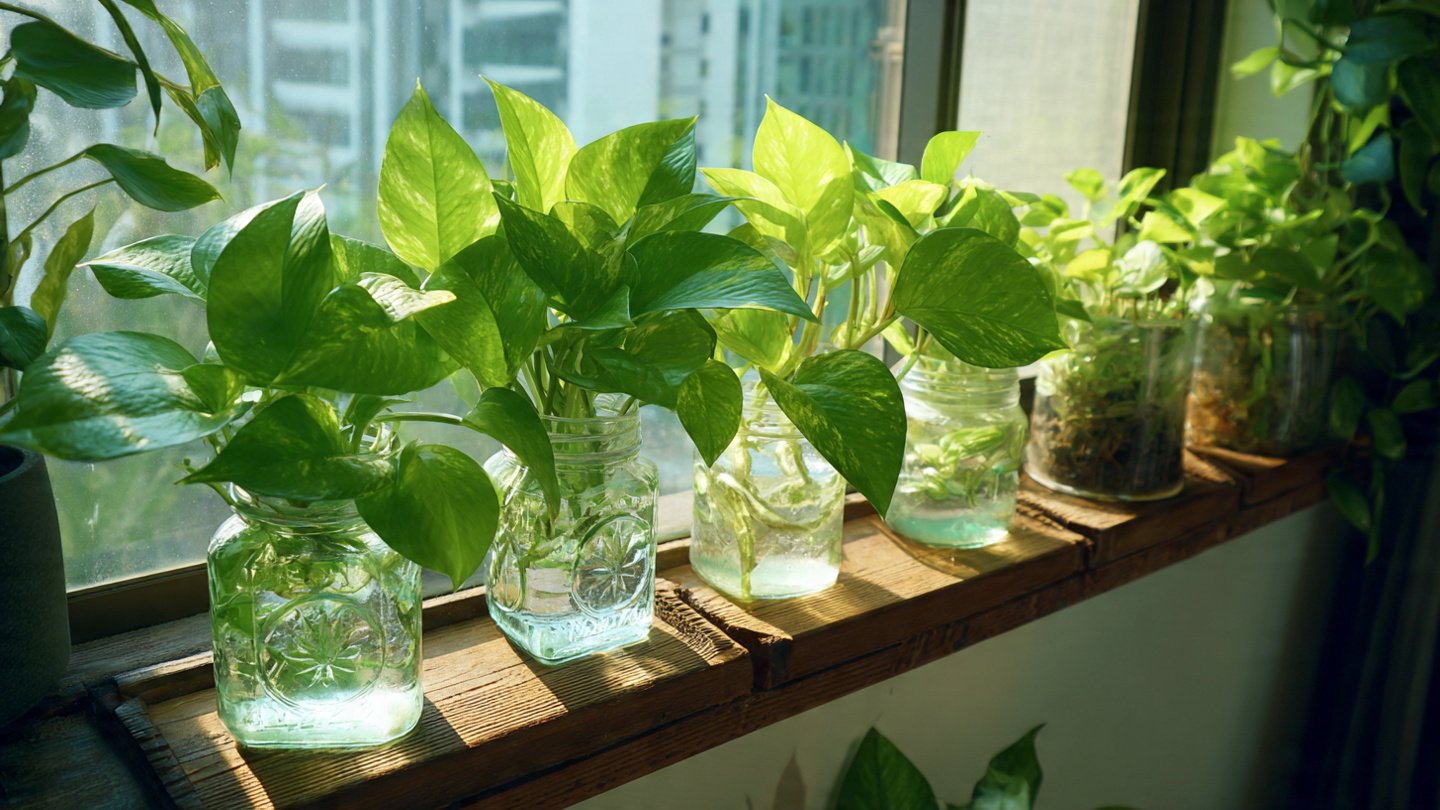
Few houseplants are as versatile, resilient, and fast-growing as Pothos. Known for its trailing vines and heart-shaped leaves, this green powerhouse can fill shelves, hang from baskets, or climb trellises, instantly transforming your indoor space. But even a hardy Pothos needs smart watering strategies to thrive and grow like crazy.
Understanding how and when to water your Pothos can mean the difference between lush, cascading vines and slow, stunted growth. Here’s a complete guide to water management, soil considerations, and care techniques that keep your Pothos thriving all year round.
1. Why Proper Watering Is Crucial for Pothos Growth
Pothos are tough but sensitive to moisture extremes. Both overwatering and underwatering can stress the plant:
- Overwatering: Leads to root rot, yellowing leaves, and slowed growth.
- Underwatering: Causes drooping vines, dry leaf tips, and brittle stems.
Smart watering balances moisture to promote rapid vine extension, leaf production, and overall vitality.
2. Understanding Pothos Watering Needs
Pothos prefer moderately moist soil, but not soggy. Key factors affecting watering needs include:
- Pot size and material: Larger pots hold moisture longer; terracotta pots dry faster.
- Indoor humidity: Dry rooms may require more frequent watering.
- Season: Growth slows in winter, so Pothos need less water.
- Lighting conditions: Plants in bright, indirect light dry out faster than those in lower light.
Observing your plant and testing soil moisture ensures the right watering schedule.
3. Smart Watering Techniques
a. The Finger Test
- Insert your finger about 1–2 inches into the soil.
- Water only if the soil feels dry at this depth.
- This prevents overwatering while ensuring roots have access to moisture.
The finger test is simple but highly effective for keeping Pothos healthy.
b. Bottom Watering
- Place the pot in a tray of water for 10–15 minutes, allowing roots to soak moisture.
- Remove excess water to prevent standing water at the base.
- This method encourages deep root growth, making Pothos more resilient and promoting faster vine growth.
Bottom watering is particularly useful for taller, established plants.
c. Watering Schedule Adjustment
- During active growth (spring and summer), Pothos may need watering once a week.
- During dormant periods (fall and winter), water every 2–3 weeks depending on soil dryness.
- Avoid sticking to strict schedules—observe soil and plant cues.
Pothos responds well to adaptive watering rather than rigid routines.
4. Soil and Drainage Tips
Well-draining soil is essential for Pothos to grow vigorously:
- Use a potting mix rich in peat, perlite, and vermiculite to retain moisture without waterlogging.
- Ensure pots have drainage holes to allow excess water to escape.
- Adding small rocks or activated charcoal at the bottom improves drainage and reduces root rot risk.
Healthy roots mean rapid vine elongation and glossy leaves.
5. Using Mulch and Humidity to Boost Growth
- Add a thin layer of decorative mulch (like pebbles or coconut husk) to retain soil moisture.
- Increase humidity with a nearby pebble tray or regular misting, especially in dry indoor environments.
- Higher humidity reduces stress on leaves and supports faster growth rates.
These tricks create optimal microconditions that make your Pothos thrive.
6. Signs Your Pothos Is Getting the Right Amount of Water
- Healthy green leaves with minimal yellowing.
- Firm, turgid stems that cascade gracefully.
- New leaf growth appearing regularly.
- Moist but not soggy soil—roots are neither drowning nor parched.
Recognizing these signs ensures that your watering practices are on track.
7. Propagation Tips That Benefit From Smart Watering
Pothos is one of the easiest plants to propagate, and proper watering boosts success:
- Take 2–4 inch cuttings with at least one node.
- Place cuttings in water or moist soil, keeping roots hydrated but not submerged for too long.
- Once roots develop, transplant to soil with moderate moisture and good drainage.
Smart watering during propagation ensures healthy, vigorous new plants.
8. Common Watering Mistakes and How to Avoid Them
a. Overwatering
- Causes yellowing leaves and root rot.
- Avoid by checking soil moisture before watering.
b. Underwatering
- Leads to drooping leaves and stunted growth.
- Maintain consistent soil moisture without letting the plant sit in dry soil for long periods.
c. Using Cold Water
- Room-temperature water is ideal; cold water can shock roots and slow growth.
d. Neglecting Pot Type
- Avoid non-draining decorative pots without saucers or liners.
Correcting these mistakes ensures your Pothos grows vibrant and rapidly.
9. Complementary Growth Tips
While watering is key, consider these additional strategies:
- Fertilize monthly during growth season with a balanced, water-soluble fertilizer.
- Prune leggy vines to encourage bushier growth and fuller appearance.
- Rotate the plant occasionally to ensure even light exposure.
- Provide support: Use moss poles or trellises for climbing varieties.
Combining smart watering with these care tips maximizes leaf size, vine length, and overall lushness.
10. Final Thoughts
Mastering smart watering is one of the quickest ways to help your indoor Pothos flourish. By observing soil moisture, adjusting watering schedules, and improving drainage, you can enjoy rapid vine growth, glossy leaves, and a thriving indoor jungle.
With consistent care, even beginners can see their Pothos grow like crazy, cascading from shelves, hanging baskets, or climbing trellises, turning any room into a lush, vibrant oasis.
Water wisely, pair with proper soil, and your Pothos will reward you with years of greenery and indoor beauty.