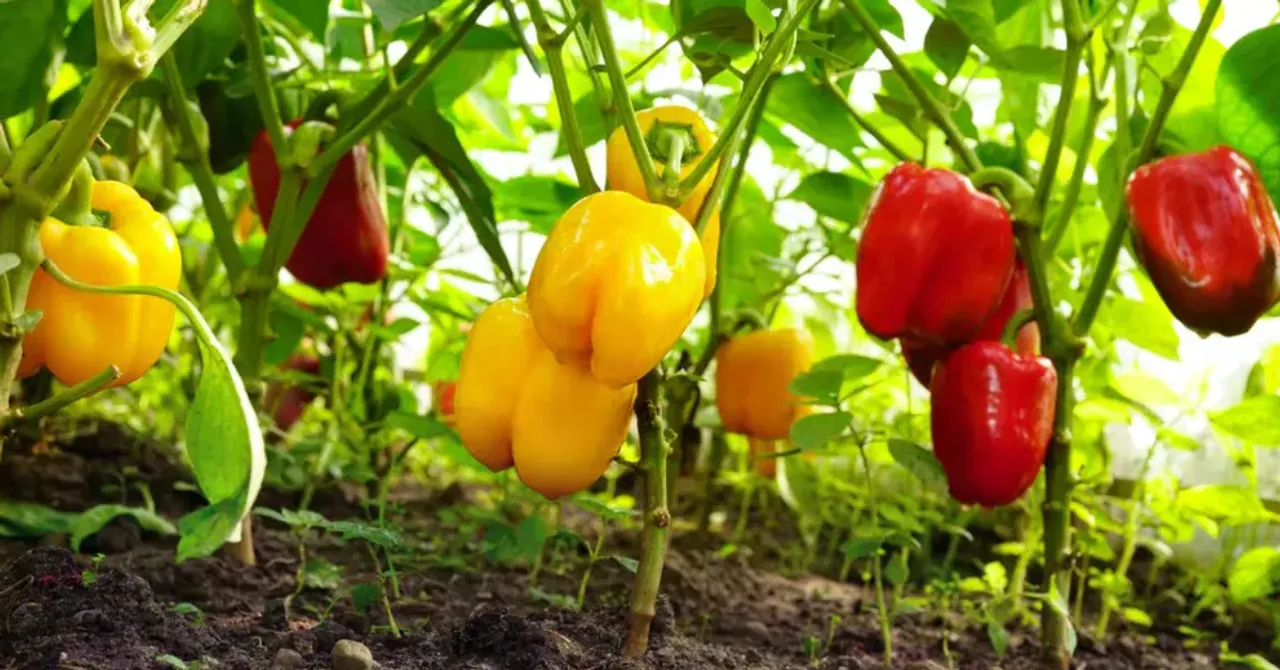
In a world of instant downloads, fast food, and same-day delivery, patience can feel like a rare skill. Teaching children to wait, nurture, and trust a process takes creativity—and one of the most powerful tools is gardening. Growing capsicum at home is not just about harvesting colorful peppers; it’s about cultivating responsibility, observation, and patience in young minds.
Capsicum, also known as bell pepper, is an ideal plant for children. It grows steadily, shows visible progress, and rewards consistent care with bright, crunchy fruits. By involving kids in the full journey—from seed to harvest—you give them a living lesson in how good things take time.
Why Capsicum Is Perfect for Kids
Capsicum annuum is one of the easiest vegetables to grow in home gardens or containers. It doesn’t require large spaces, and it adapts well to pots placed on balconies, terraces, or sunny windowsills.
Here’s why capsicum works so well as a teaching plant:
- Visible Growth Stages: Seeds sprout within 7–14 days, offering quick excitement.
- Manageable Size: Plants grow compactly in pots.
- Colorful Rewards: Fruits change from green to red, yellow, or orange.
- Long Harvest Period: One plant can produce multiple peppers over weeks.
Children love seeing transformation, and capsicum offers several “wow” moments throughout its life cycle.
Step 1: Let Them Plant the Seeds
The lesson begins with tiny seeds. Show your child how something so small can grow into a food-producing plant.
Fill small pots or seed trays with quality potting mix. Let your child press the seeds gently into the soil and cover them lightly. Water carefully using a spray bottle to avoid disturbing the seeds.
This first step teaches:
- Gentle handling
- Following instructions
- Respect for living things
Explain that the seeds need warmth, sunlight, and time. Kids may ask daily, “Has it grown yet?” That’s the beginning of learning patience.
Step 2: Celebrate Sprouting
When the first green shoots appear, it feels magical—especially for children. This stage happens within 1–2 weeks under warm conditions.
Celebrate this milestone. Encourage your child to measure the seedlings or draw pictures of them in a garden journal. Watching small leaves unfold introduces them to observation skills.
You can explain how plants use sunlight to make food through photosynthesis in simple terms. It becomes a hands-on science lesson without feeling like schoolwork.
Step 3: Daily Care Builds Responsibility
Capsicum plants need:
- 6–8 hours of sunlight
- Moderate watering
- Good drainage
- Occasional feeding with compost or organic fertilizer
Assign small daily tasks. Maybe your child checks soil moisture with a finger test or rotates the pot for even sunlight.
Caring for the plant every day teaches consistency. Unlike toys, plants respond directly to attention. If watering is skipped, leaves droop. If sunlight is lacking, growth slows. These natural consequences gently introduce accountability.
Step 4: Watching Flowers Turn Into Fruit
After about 6–8 weeks, small white flowers appear. This is another exciting stage.
Explain how flowers transform into peppers. Children can observe how petals fall and tiny green fruits begin forming. It’s a real-time lesson in plant reproduction and growth cycles.
This stage reinforces delayed gratification. The plant is growing—but it’s still not ready to harvest. Kids learn that development happens step by step.
Step 5: The Long Wait for Ripening
Capsicum fruits usually appear green at first. Over time, many varieties change color to red, yellow, or orange.
Waiting for color change is perhaps the strongest patience lesson. Kids often want to pick the peppers immediately. You can discuss how staying on the plant longer makes them sweeter and more nutritious.
This phase teaches:
- Self-control
- Understanding of timing
- Trust in natural processes
When the peppers finally reach full color, the reward feels earned.
Step 6: Harvest and Cook Together
Harvest day is the highlight. Let your child use safe scissors to cut the pepper from the plant. Weigh it, photograph it, or compare it to store-bought peppers.
Even better—cook something simple together. Add fresh capsicum to sandwiches, pasta, or salads. When children eat what they’ve grown, they feel proud and empowered.
Homegrown food tastes better partly because it carries effort and memory.
Emotional Lessons Kids Learn
Growing capsicum teaches more than gardening. It quietly shapes character.
1. Patience
Plants don’t grow overnight. Children see that time and care are necessary.
2. Responsibility
Daily watering and sunlight checks become habits.
3. Resilience
If a leaf yellows or growth slows, you problem-solve together instead of giving up.
4. Gratitude
Understanding how food grows builds appreciation for meals.
Make It More Fun
To keep kids engaged throughout the growing process:
- Create a simple growth chart on paper.
- Take weekly photos to show progress.
- Name the plant.
- Use colorful pots they decorate themselves.
- Compare two plants grown under slightly different conditions as a mini experiment.
Turning gardening into a shared project strengthens bonding time as well.
Growing in Small Spaces
You don’t need a large backyard. Capsicum grows beautifully in 8–12 inch pots with drainage holes. A sunny balcony works perfectly.
Urban families can easily grow peppers indoors near a bright window. This makes the lesson accessible regardless of living space.
The Science Behind the Patience Lesson
When children engage in gardening, they experience delayed reward systems in action. Psychologists often discuss how delayed gratification improves focus, discipline, and long-term success.
Gardening naturally trains this ability. Instead of instant entertainment, kids watch gradual progress. They see that consistent effort brings visible results.
This quiet process builds internal confidence. They realize: “I can grow something.” That realization is powerful.
Troubleshooting Together
Sometimes plants face issues like:
- Aphids or pests
- Overwatering
- Lack of sunlight
Instead of hiding problems, use them as teaching moments. Research solutions together. Show that challenges are part of growth—both for plants and people.
This transforms gardening into a life metaphor.
A Simple Routine to Follow
Here’s an easy weekly plan:
- Monday: Check soil moisture
- Wednesday: Rotate pot for even sunlight
- Friday: Inspect leaves for pests
- Weekend: Measure plant height and record growth
Structure keeps kids involved without overwhelming them.
Final Thoughts
Growing capsicum together is more than a gardening activity—it’s a life lesson disguised as fun. From planting seeds to harvesting colorful peppers, children experience firsthand how time, care, and patience lead to meaningful rewards.
In today’s fast-moving world, slowing down to nurture a plant helps children develop calm focus and emotional strength. The joy on their face when they harvest their first homegrown capsicum makes every day of waiting worthwhile.
And perhaps the greatest lesson of all? Patience isn’t just about waiting. It’s about caring while you wait—and trusting that something beautiful is growing beneath the surface.