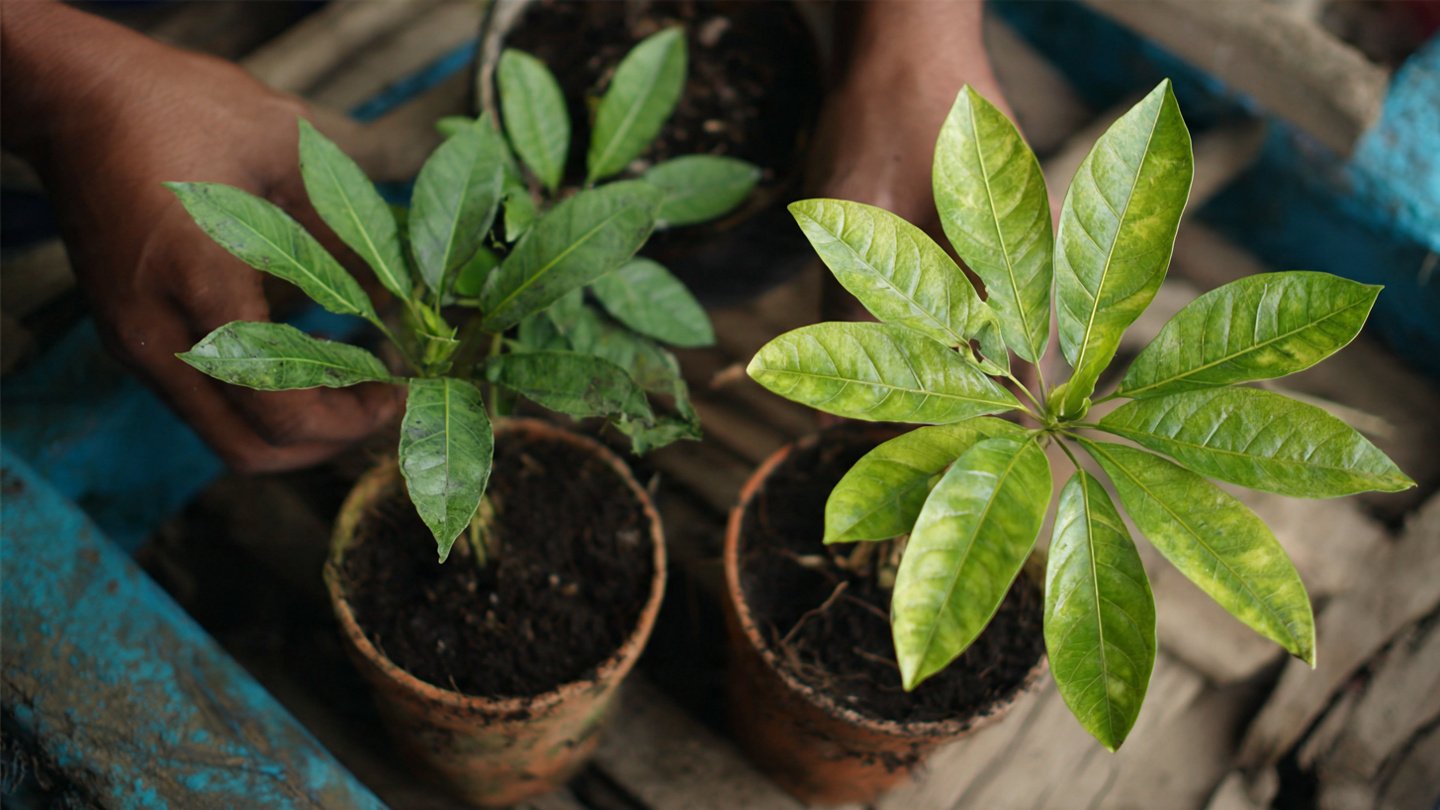
Sadabahar, commonly known as Periwinkle or Catharanthus roseus, is a popular flowering plant that blooms year-round in tropical and subtropical gardens. Known for its vibrant flowers and glossy green foliage, Sadabahar not only enhances the aesthetic appeal of gardens but also has medicinal significance in traditional remedies. For gardeners, propagating Sadabahar from cuttings is one of the simplest and most effective ways to expand greenery and enjoy continuous blooms without spending on new plants.
This guide will walk beginners through a simple trick to root Sadabahar cuttings, ensuring high success rates and a thriving garden full of lush greenery.
Understanding Sadabahar
Sadabahar is a hardy, low-maintenance plant that grows well in both pots and garden beds. Key characteristics include:
- Evergreen foliage: Leaves remain vibrant throughout the year.
- Continuous flowering: Flowers bloom almost all year, attracting butterflies and pollinators.
- Adaptability: Grows in full sun or partial shade and tolerates dry conditions.
- Medicinal value: Traditionally used for its alkaloids and natural remedies.
Because of its resilience and beauty, rooting Sadabahar cuttings is a practical way to multiply plants and maintain a garden full of greenery.
Why Root Cuttings Instead of Seeds?
While Sadabahar can grow from seeds, propagating from cuttings offers several advantages:
- Faster growth: Cuttings develop into flowering plants more quickly than seeds.
- Uniformity: Plants grown from cuttings retain the characteristics of the parent plant.
- Higher success rate: Less chance of seedling failure, especially for beginners.
- Cost-effective: You can propagate multiple plants from a single parent.
Rooting cuttings is a reliable and efficient method for expanding your garden.
Step 1: Choosing the Right Cutting
The first step in propagating Sadabahar is selecting a healthy parent plant. Choose cuttings that are:
- Healthy and disease-free: Avoid plants with yellowing leaves or signs of pests.
- Semi-hardwood stems: Use stems that are not too soft or too woody. Typically, stems about 4–6 inches long work best.
- Non-flowering: Cuttings taken from non-flowering parts focus energy on root development rather than flowering.
By selecting strong, healthy cuttings, you increase the likelihood of successful rooting.
Step 2: Preparing the Cutting
Proper preparation is essential for quick root formation.
- Trim the cutting: Remove any leaves from the lower half of the stem. This prevents rotting when the cutting is planted.
- Cut at an angle: Make a clean cut at a 45-degree angle just below a node (where the leaf joins the stem).
- Optional: Use rooting hormone: Dip the cut end into a natural or commercial rooting hormone to encourage faster root growth. While optional, this step can significantly boost success rates.
Prepared cuttings have a higher chance of survival and quicker development into healthy plants.
Step 3: Choosing the Right Medium
Sadabahar cuttings root best in a well-draining medium that retains some moisture without becoming waterlogged. Suitable options include:
- Coco peat – Retains moisture while providing aeration.
- Perlite and vermiculite mix – Excellent for drainage and root development.
- Sandy soil with compost – Adds nutrients and prevents compaction.
Avoid heavy clay soils, as they can retain too much water and cause the cutting to rot.
Step 4: Planting the Cutting
Planting correctly is crucial for rooting success. Follow these steps:
- Fill a small pot with the chosen medium.
- Make a hole in the soil using a pencil or stick.
- Insert the cutting about 2–3 inches deep, ensuring at least one node is buried in the soil.
- Firmly press the soil around the base to support the cutting.
- Water lightly to settle the soil.
Proper planting ensures the cutting has enough support and access to moisture for root development.
Step 5: Providing Optimal Conditions
Sadabahar cuttings require specific conditions to root successfully:
- Indirect sunlight: Place the pot in bright but filtered light. Avoid direct sunlight, which can stress the cutting.
- Humidity: High humidity encourages faster rooting. Covering the pot with a clear plastic bag or using a mini greenhouse creates a humid environment.
- Temperature: Keep the cuttings at a warm, consistent temperature of 70–80°F (21–27°C).
Maintaining these conditions promotes healthy root formation within 2–4 weeks.
Step 6: Watering and Care
Proper watering is crucial for rooting:
- Keep the soil consistently moist but not soggy. Overwatering can cause rot, while underwatering slows root growth.
- Mist the cutting occasionally to maintain humidity, especially if using a plastic cover.
- Avoid watering from above excessively, as this can dislodge the cutting or encourage fungal growth.
Balanced care ensures the cutting develops a robust root system.
Step 7: Monitoring Root Development
After 2–4 weeks, check for root development:
- Gently tug on the cutting—if there is resistance, roots are forming.
- New leaf growth is a positive sign that the cutting is establishing itself.
- If roots have not formed after 4–6 weeks, review your conditions—moisture, humidity, and temperature may need adjustment.
Monitoring ensures timely intervention and increases overall success.
Step 8: Transplanting Rooted Cuttings
Once the cutting has a strong root system, it’s ready for transplanting into a larger pot or garden bed.
- Choose a location with well-drained soil and full sunlight for best growth.
- Dig a hole slightly larger than the root ball.
- Place the cutting carefully, cover with soil, and water gently.
- Mulch around the base to retain moisture and protect roots.
Transplanting at the right time ensures the cutting continues healthy growth and begins flowering sooner.
Step 9: Boosting Growth Naturally
To promote lush growth and vibrant flowers:
- Apply organic fertilizers such as compost or liquid manure once every 2–3 weeks.
- Ensure consistent watering, especially during dry periods.
- Prune any yellowing or dead leaves to encourage new growth.
- Protect the plant from pests using natural remedies like neem oil or insecticidal soap.
These practices help Sadabahar thrive and fill your garden with greenery.
Step 10: Advantages of Using Cuttings for Garden Expansion
Rooting Sadabahar cuttings offers several benefits for gardeners:
- Cost-effective: You can multiply your existing plants without buying new ones.
- Quick establishment: Cuttings grow faster than seedlings.
- Consistent plant characteristics: The new plant retains the parent plant’s flower color and growth habit.
- Continuous greenery: A garden full of rooted cuttings ensures year-round foliage and blooms.
- Beginner-friendly: The process is simple and doesn’t require specialized equipment.
This method is ideal for anyone looking to boost garden greenery without complex techniques.
Tips for Maximum Success
- Avoid flowering cuttings: Flowering stems focus energy on blooms rather than roots.
- Use clean tools: Prevent disease transmission by sterilizing knives and scissors.
- Provide airflow: Remove plastic covers occasionally to prevent mold.
- Patience is key: Don’t disturb the cutting too often—roots need undisturbed growth.
- Repeat propagation: Once successful, repeat the process to expand your garden gradually.
By following these tips, beginners can confidently propagate Sadabahar and enjoy a lush, flowering garden.
Conclusion
Rooting Sadabahar cuttings is a simple yet effective trick to boost your garden with greenery and vibrant blooms. By carefully selecting healthy cuttings, preparing the soil, providing optimal light and humidity, and using proper watering techniques, even beginners can achieve high success rates.
This method is not only cost-effective but also ensures continuous growth, allowing gardeners to enjoy lush foliage and beautiful flowers year-round. Coupled with organic fertilizers and natural care, rooting Sadabahar cuttings can transform a small garden into a thriving green space.
Whether you’re looking to fill pots on your balcony, create borders in your garden, or simply increase greenery naturally, this simple trick makes gardening accessible, rewarding, and enjoyable.
With patience, consistent care, and this proven technique, your Sadabahar plants will flourish, enriching your garden with color, vitality, and natural beauty.