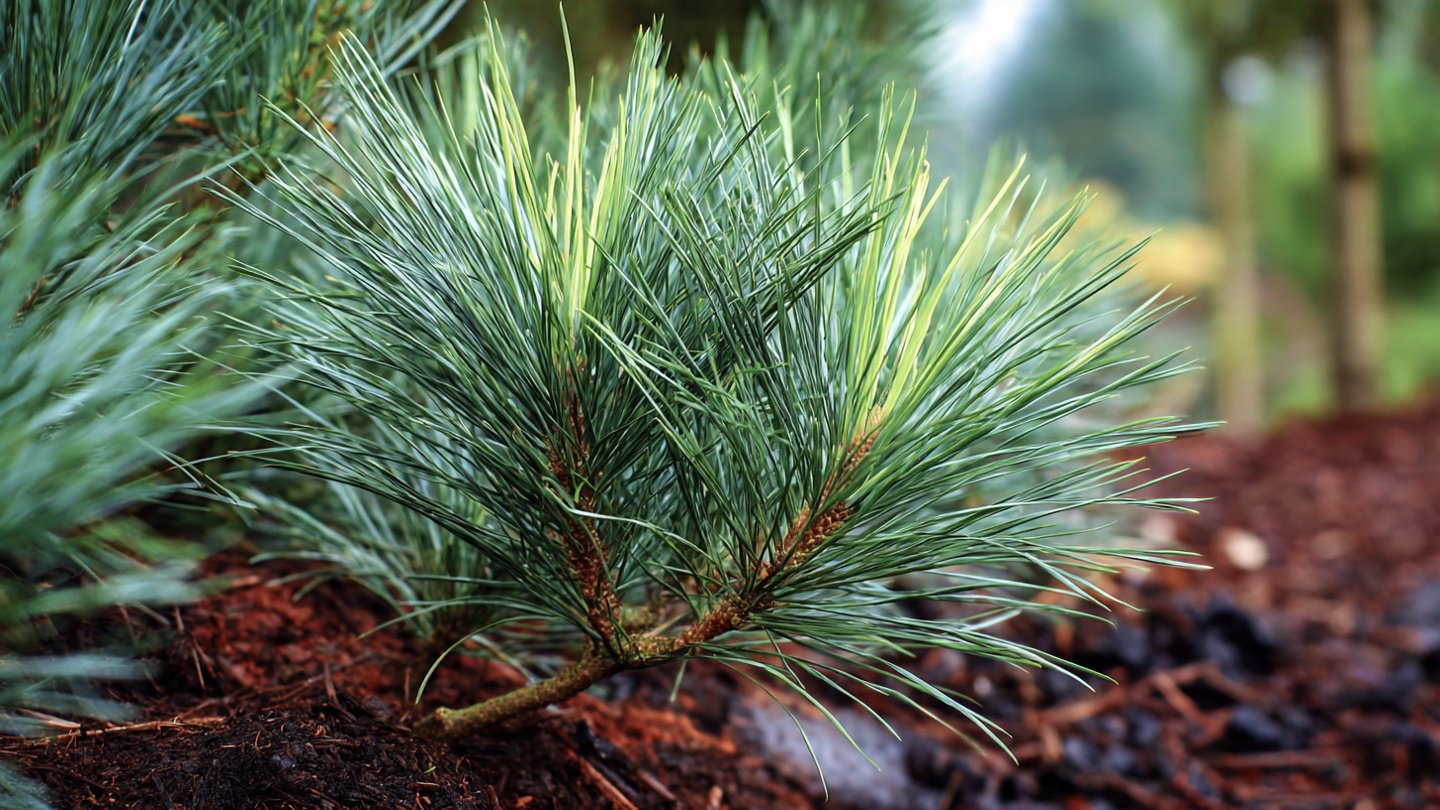
For gardeners who love the evergreen beauty and elegant form of pine trees but may not have the space, budget, or climate for traditional pines, pine lookalike plants offer a perfect alternative. These hardy plants mimic the shape, texture, and appearance of true pines while often being faster-growing, smaller, and easier to care for. With the right techniques, even beginners can cultivate these outdoor beauties and enjoy year-round greenery.
This guide provides simple methods for growing pine lookalike plants outdoors, covering plant selection, soil preparation, planting, watering, pruning, and seasonal care. Following these strategies will help you create a low-maintenance yet visually striking garden feature.
Why Choose Pine Lookalike Plants?
Pine lookalike plants offer several advantages, especially for beginner gardeners:
- Visual appeal: They retain the conical shape and needle-like foliage of pines, adding elegance to landscapes.
- Low maintenance: Most varieties require minimal pruning and tolerate a variety of soils.
- Adaptable size: Suitable for small gardens, containers, or outdoor planters.
- Fast growth: Many lookalikes grow more quickly than traditional pine trees.
- Hardy: Can withstand frost, wind, and varying sunlight conditions depending on the variety.
These plants are ideal for borders, privacy screens, rock gardens, and even as centerpiece specimens in small yards.
Popular Pine Lookalike Plant Varieties
Choosing the right species is key for beginner success. Some popular pine lookalikes include:
- Dwarf Alberta Spruce (Picea glauca ‘Conica’)
- Slow-growing, compact, and conical
- Perfect for small gardens and container planting
- Maintains vibrant green needles year-round
- Juniper (Juniperus communis or Juniperus chinensis)
- Needle-like foliage with attractive colors, including blue and gold
- Extremely hardy and drought-tolerant
- Forms bushy or columnar shapes depending on variety
- False Cypress (Chamaecyparis pisifera)
- Soft, feathery foliage with a pine-like appearance
- Available in compact and weeping forms
- Resistant to cold and wind
- Eastern White Cedar (Thuja occidentalis)
- Dense foliage that resembles pine needles
- Often used for privacy hedges or landscape borders
- Fast-growing and tolerant of different soil conditions
Selecting the Ideal Location
Location is crucial for outdoor success:
- Sunlight: Most pine lookalike plants thrive in full sun to partial shade. At least 6 hours of sunlight daily promotes dense, healthy growth.
- Space: Ensure adequate spacing for airflow and future growth; crowded planting can lead to poor foliage development and disease.
- Wind protection: Young plants benefit from protection against strong winds, which can dry foliage and damage branches.
Selecting the right spot sets the foundation for healthy, thriving plants.
Preparing the Soil
Soil preparation is a vital step, even for hardy lookalike plants:
- Test soil: Most pine-like plants prefer slightly acidic to neutral soil (pH 5.5–7.0).
- Amend soil: Mix compost, peat, or well-rotted manure into the soil to improve fertility and drainage.
- Ensure drainage: Avoid areas where water tends to pool, as excessive moisture can damage roots.
Well-prepared soil allows roots to establish quickly and promotes overall plant health.
Planting Pine Lookalike Plants
Proper planting ensures strong establishment and long-term success:
- Spacing: Plant shrubs 2–4 feet apart for smaller varieties and up to 6 feet for taller species.
- Planting hole: Dig a hole slightly wider and the same depth as the root ball.
- Placement: Position the plant upright and level with the surrounding soil.
- Backfill: Fill with amended soil, gently pressing around roots to remove air pockets.
- Watering: Water thoroughly to settle soil and encourage root growth.
Mulching with bark chips or pine needles helps retain moisture and regulates soil temperature.
Watering and Moisture Management
Watering is essential for young plants but can be adjusted once established:
- Newly planted: Water deeply 2–3 times per week depending on rainfall.
- Established plants: Most varieties tolerate drought but benefit from occasional deep watering during dry periods.
- Avoid overwatering: Pine-like plants are sensitive to waterlogged soil, which can lead to root rot.
A consistent watering routine supports vigorous growth and lush foliage.
Pruning and Shaping Techniques
While pine lookalike plants generally maintain their natural form, light pruning encourages a healthy structure:
- First year: Remove damaged or weak branches to promote strong growth.
- Shaping: Trim sparingly to enhance the conical or columnar shape. Avoid cutting into old wood, which may not regrow.
- Maintenance: Annual light pruning helps maintain size and prevents legginess.
Proper pruning preserves the plant’s natural beauty and encourages dense foliage.
Fertilization for Optimal Growth
Fertilizing enhances color, density, and growth rate:
- Early spring: Apply a slow-release, balanced fertilizer or a fertilizer formulated for conifers.
- Mid-season: Optional light feeding with compost or liquid fertilizer can boost growth.
- Avoid over-fertilization: Excess nutrients can cause overly soft growth, making the plant vulnerable to pests or frost damage.
Regular fertilization ensures vibrant, healthy plants.
Pest and Disease Management
Pine lookalike plants are generally hardy, but occasional issues can arise:
- Common pests: Aphids, spider mites, and scale insects. Treat with insecticidal soap or neem oil.
- Diseases: Root rot and needle blight are rare if soil is well-drained and plants are spaced properly.
- Preventive care: Monitor foliage for discoloration or damage and remove affected parts promptly.
Healthy planting practices reduce the likelihood of problems.
Seasonal Care Tips
Different seasons require different care strategies:
- Spring: Fertilize and prune lightly; inspect for winter damage.
- Summer: Maintain deep watering during dry spells; watch for pests.
- Fall: Mulch to protect roots from temperature fluctuations; reduce watering.
- Winter: Protect young plants from frost using burlap wraps if necessary.
Following seasonal care guidelines ensures plants survive and thrive year-round.
Landscaping Ideas with Pine Lookalike Plants
Pine lookalikes are versatile in landscape design:
- Privacy screens: Plant in rows to create a natural fence.
- Foundation planting: Add evergreen interest near buildings.
- Accent plants: Use as focal points in rock gardens or patios.
- Container gardening: Small varieties can thrive in large pots or planters for patios or balconies.
With creative placement, these plants enhance both privacy and beauty in your garden.
Final Thoughts
Growing pine lookalike plants outdoors is an excellent option for beginner gardeners seeking low-maintenance evergreens that bring year-round beauty. By choosing the right variety, preparing the soil properly, planting with care, and maintaining a consistent watering, pruning, and fertilization schedule, you can enjoy a lush, conical, and pine-like appearance in your garden.
These hardy plants provide privacy, structure, and a touch of evergreen elegance without the challenges of traditional pine trees. With patience and attention to basic care principles, even novice gardeners can create a stunning outdoor space filled with vibrant greenery, seasonal interest, and lasting visual appeal.