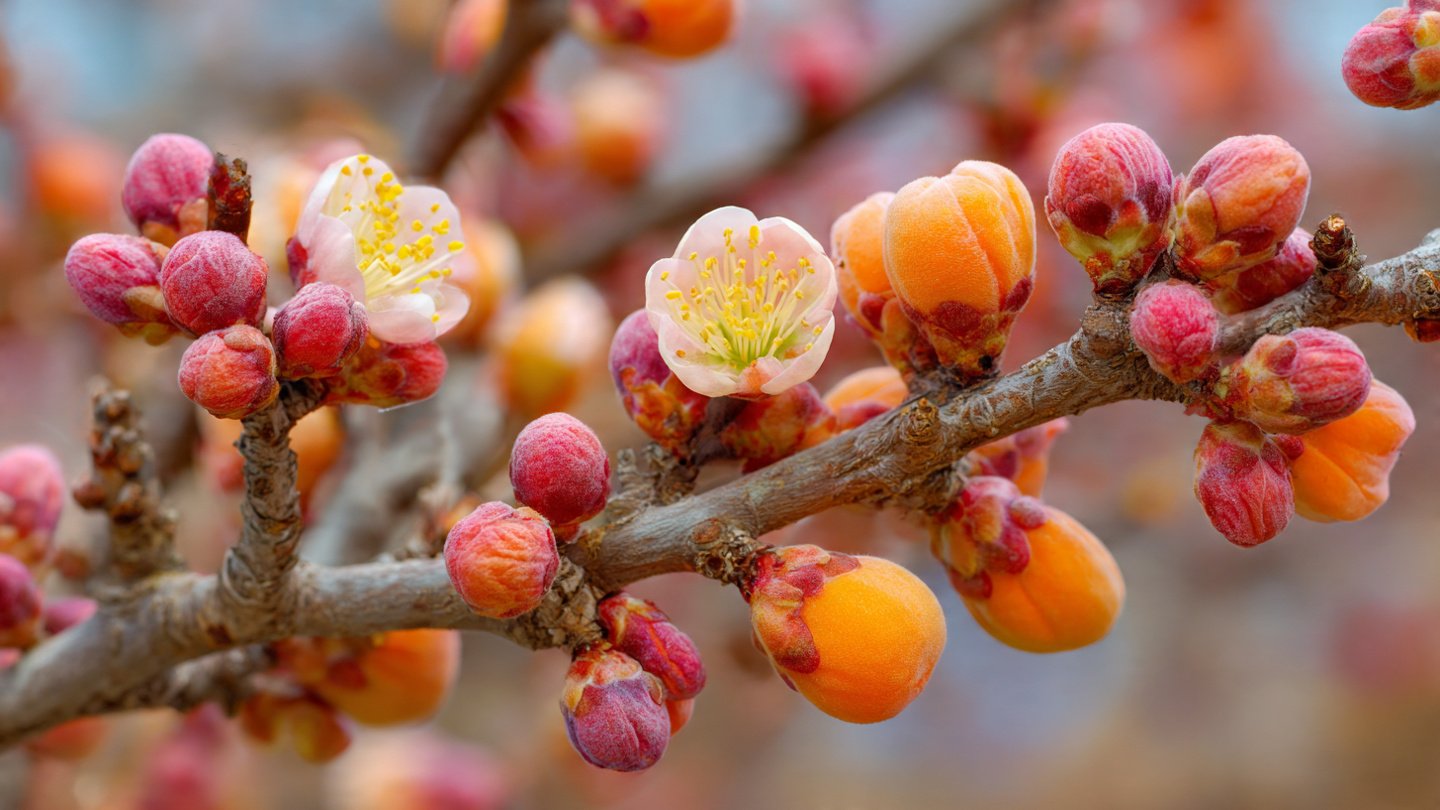
Apricots are cherished for their sweet, juicy fruits, beautiful spring blossoms, and ornamental appeal. Traditionally associated with warmer climates, many gardeners assume that growing apricots in colder regions is nearly impossible. However, with the right cold-hardy varieties, proper planting techniques, and attentive care, it’s entirely feasible to cultivate apricot trees in a garden that experiences harsh winters. This guide will walk you through the simple steps to grow healthy, productive apricot trees that can withstand cold climates while producing delicious fruit.
Understanding Cold Hardy Apricot Trees
Cold-hardy apricot trees are specifically bred to tolerate freezing temperatures and late spring frosts, which can often damage blossoms and reduce fruit yield. Understanding the unique requirements of these trees is the first step toward a successful harvest.
- Hardiness Zones: Most cold-hardy apricot varieties thrive in USDA zones 4–7, where winter temperatures can drop well below freezing.
- Dormancy: These trees require a period of winter dormancy, during which cold temperatures actually strengthen them for the upcoming growing season.
- Blossom Timing: Choosing a variety that blooms slightly later in spring can help prevent frost damage to flowers, increasing fruit set.
By selecting the right variety and understanding their winter survival strategies, you can confidently grow apricots even in regions with cold winters.
Choosing the Right Cold-Hardy Variety
The first step toward success is selecting a variety suited to your climate. Some of the most popular cold-hardy apricots include:
- Moongold: Hardy to zone 4, produces sweet, firm fruit with excellent flavor.
- Moorpark: Cold-tolerant and reliable, with medium to large fruits.
- Harcot: Ideal for colder regions, with good disease resistance and heavy yields.
- Blenheim: While slightly less cold-hardy, it produces high-quality fruits and can survive mild frosts with proper protection.
When choosing a variety, also consider pollination needs. Some apricots are self-pollinating, while others produce better yields with cross-pollination. Check local nurseries for cultivars that are known to thrive in your region.
Selecting the Perfect Site
Site selection is crucial for the survival and productivity of cold-hardy apricot trees. Consider the following factors:
- Sunlight: Apricots require at least 6–8 hours of full sun daily. Sunlight is essential for flower and fruit development.
- Wind Protection: Cold winds can damage blossoms and young fruit. Planting near a natural windbreak or a fence can reduce exposure.
- Soil Drainage: Apricots are prone to root rot if planted in waterlogged soil. Choose a well-draining site, preferably slightly elevated.
- Slope and Air Circulation: Avoid low-lying areas where cold air settles. A gentle slope allows cold air to flow away, reducing frost damage.
Choosing the right location ensures that your apricot tree can withstand winter conditions and still produce healthy fruit.
Preparing the Soil
Cold-hardy apricot trees thrive in fertile, well-draining soil. Proper soil preparation is critical for root health and overall tree vigor.
- Soil Testing: Conduct a soil test to determine pH and nutrient levels. Apricots prefer slightly acidic to neutral soil, with a pH of 6.0–7.0.
- Amendments: Incorporate compost or well-rotted manure to improve soil fertility and structure. Organic matter enhances moisture retention without waterlogging the roots.
- Drainage Solutions: If your soil is clay-heavy, consider raised beds or mounds to improve drainage. Apricot roots cannot tolerate standing water.
A well-prepared soil environment lays the foundation for a resilient and productive apricot tree.
Planting Your Apricot Tree
Proper planting techniques ensure that cold-hardy apricot trees establish quickly and withstand harsh winter conditions.
- Timing: Plant in early spring or late fall when the tree is dormant. Dormant trees experience less transplant shock and can focus on root establishment.
- Hole Preparation: Dig a hole twice as wide as the root ball and deep enough to accommodate the roots without bending. Loosen surrounding soil to encourage root expansion.
- Planting Depth: Plant at the same depth as the nursery container or slightly shallower. Avoid burying the trunk, as this can lead to rot.
- Watering: After planting, water thoroughly to settle the soil around the roots. Mulch around the base to retain moisture and moderate temperature.
Planting correctly from the start gives the tree the best chance to survive cold winters and grow vigorously.
Watering and Mulching Strategies
Winter survival depends on consistent care during the growing season:
- Deep Watering: Apricot trees require deep, infrequent watering to encourage strong root systems. Avoid shallow, frequent watering, which encourages weak roots.
- Mulching: Apply a 2–4 inch layer of organic mulch around the base, keeping it a few inches from the trunk. Mulch retains soil moisture, insulates roots during winter, and reduces temperature fluctuations.
- Winter Protection: In extremely cold climates, consider adding straw or leaves around the base to further insulate roots.
Proper watering and mulching help trees withstand cold temperatures and prepare them for a productive growing season.
Fertilizing Cold-Hardy Apricot Trees
Balanced fertilization supports healthy growth, flower production, and fruit development:
- Timing: Fertilize in early spring before bud break and again after harvest if needed. Avoid late-fall fertilization, which can stimulate new growth vulnerable to frost.
- Type: Use a balanced fertilizer, such as 10-10-10, or a formula specifically designed for fruit trees.
- Application: Follow label instructions to prevent over-fertilization, which can cause excessive, frost-sensitive growth.
Consistent but measured fertilization strengthens trees, ensuring they remain cold-hardy while producing quality fruit.
Pruning for Cold Hardiness and Fruit Production
Pruning is essential for cold-hardy apricot trees, as it improves structure, air circulation, and frost resistance:
- Timing: Prune during dormancy, typically late winter, before buds swell. Avoid heavy pruning in late spring.
- Thinning Branches: Remove weak, crossing, or crowded branches to reduce wind damage and allow sunlight penetration.
- Shaping the Tree: Aim for an open center or vase shape to enhance air circulation and reduce frost trapping.
- Remove Suckers: Eliminate shoots growing from the base to direct energy toward productive branches.
Pruning strengthens trees, reduces winter damage, and improves fruit yield and quality.
Protecting Apricot Trees from Frost
Even cold-hardy apricots can be vulnerable to late spring frosts:
- Frost Cloths: Cover young trees or blossoms with breathable frost cloth during cold nights.
- Mulching: Mulch around the base helps insulate roots from freezing temperatures.
- Avoid Late Pruning: Pruning in late winter can stimulate new growth that is sensitive to frost.
- Wind Protection: Position trees near fences or windbreaks to reduce frost exposure.
Combining these strategies ensures that your apricot trees survive harsh winters and bloom successfully in spring.
Pest and Disease Management
Cold-hardy apricots are generally resilient, but pests and diseases can still affect growth and fruiting:
- Common Pests: Aphids, scale, and borers may attack trees. Inspect regularly and use organic or chemical controls as needed.
- Diseases: Brown rot, leaf curl, and bacterial canker can occur, especially in humid climates. Pruning, proper spacing, and fungicide applications help prevent disease.
- Monitoring: Early detection and intervention are critical for maintaining tree health and productivity.
Healthy trees are better equipped to tolerate cold and produce abundant fruit year after year.
Harvesting and Enjoying Your Apricots
Cold-hardy apricot trees reward gardeners with delicious fruit:
- Timing: Harvest fruit when it is fully colored, slightly soft to the touch, and fragrant. Flavor improves if picked at peak ripeness.
- Handling: Handle fruit gently to avoid bruising, especially when growing in regions with cooler temperatures.
- Storage: Fresh apricots are best eaten quickly, but they can be refrigerated for a few days or preserved through canning, freezing, or drying.
Enjoying the fruits of your labor makes all the preparation, care, and winter protection worthwhile.
Tips for Long-Term Success
To maintain a thriving cold-hardy apricot tree for years to come:
- Choose the right variety for your climate.
- Plant in a sunny, well-draining location with wind protection.
- Fertilize and water appropriately to support strong root development.
- Prune annually to improve air circulation, structure, and frost resistance.
- Monitor for pests and diseases regularly.
- Protect blossoms and young trees from late frosts using frost cloths and mulching.
- Harvest fruit at peak ripeness for maximum flavor.
With these steps, even gardeners in colder regions can enjoy healthy apricot trees that produce abundant, sweet fruit year after year.
Conclusion
Growing cold-hardy apricot trees may seem intimidating at first, but with proper planning, site selection, and attentive care, it is entirely achievable. By choosing the right varieties, preparing well-draining soil, implementing frost protection strategies, and practicing proper pruning and maintenance, gardeners can cultivate apricot trees that thrive in cold climates.
Key takeaways include:
- Cold-hardy varieties can withstand harsh winters and late frosts.
- Site selection, sunlight, and soil drainage are critical for survival and productivity.
- Pruning and mulching enhance cold tolerance and fruit quality.
- Regular watering, fertilization, and pest management ensure vigorous growth.
- Frost protection techniques safeguard blossoms and maximize yield.
By following these simple steps, you can transform your garden into a fruitful haven of cold-hardy apricot trees, enjoying both their delicate spring blossoms and sweet summer harvests. With patience and care, even cold climates can produce apricots that rival those grown in warmer regions.