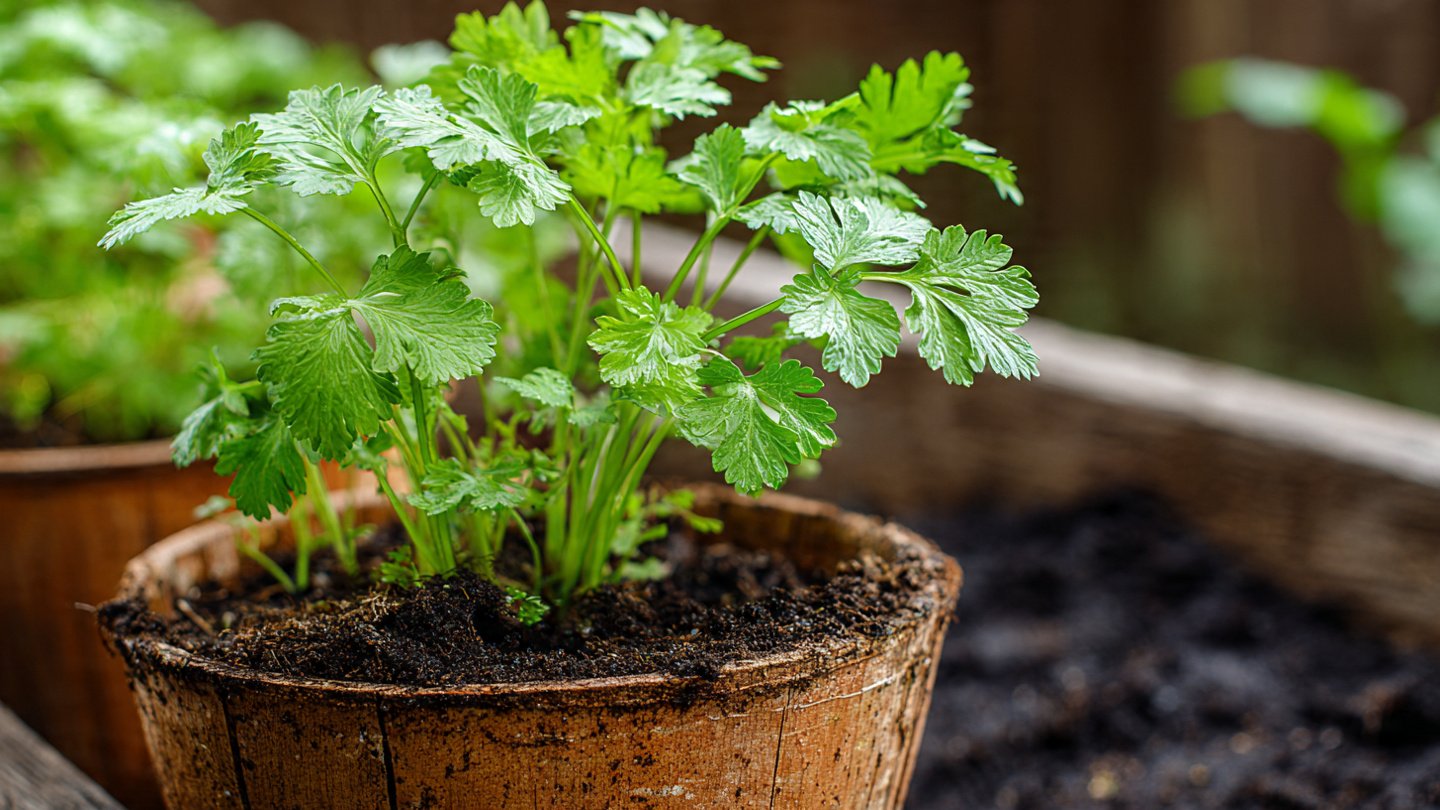
Coriander (Coriandrum sativum), also known as cilantro, is one of the most versatile herbs in the kitchen. Its fresh leaves brighten salads, curries, salsas, and soups, while its seeds are used as a flavorful spice. While growing coriander at home is relatively easy, many gardeners struggle to produce bushy, vibrant plants rather than tall, spindly stems that bolt too quickly.
This guide reveals simple methods to cultivate bushy coriander plants at home, including soil preparation, sowing techniques, watering, pruning, and care tips to ensure strong, leafy growth and continuous harvests.
Why Grow Bushy Coriander Plants?
Bushy coriander plants are healthier, more productive, and aesthetically pleasing. They offer several advantages:
- Higher Yield: Dense foliage means more leaves to harvest regularly.
- Slower Bolting: Bushy plants mature more gradually, reducing premature flowering.
- Pest Resistance: Compact growth improves airflow, reducing the risk of fungal infections.
- Space Efficiency: Well-managed bushy plants maximize productivity in small garden plots or containers.
By focusing on growth habits, gardeners can enjoy fresh, flavorful coriander throughout the season.
Choosing the Right Variety
Selecting a suitable variety can make a significant difference in achieving bushy growth:
- Santos: Fast-growing and robust, ideal for dense foliage.
- Leisure: Produces compact, bushy plants that resist bolting.
- Calypso: Well-suited for container gardening with sturdy stems and lush leaves.
Consider climate, container size, and whether you want more leaves or seeds when choosing your variety.
Selecting the Ideal Growing Location
Coriander prefers full sun to partial shade, requiring at least 4–6 hours of sunlight daily. Sun exposure is essential for strong leaf growth and healthy stems.
Other location considerations:
- Temperature: Cool weather (50–75°F / 10–24°C) favors bushy growth. Hot weather can cause spindly plants and early bolting.
- Protection from Wind: Delicate leaves can be damaged by strong winds. Plant in a sheltered spot or use windbreaks.
- Drainage: Avoid low-lying areas where water may accumulate. Coriander prefers well-draining soil to prevent root rot.
Indoor gardeners can grow coriander in pots on sunny windowsills or under LED grow lights.
Preparing Soil for Bushy Growth
Healthy soil promotes dense foliage and strong root development:
- Use Fertile Soil: Mix garden soil with compost or well-rotted organic matter to enrich nutrients.
- Maintain Proper pH: Slightly acidic to neutral soil (pH 6.2–7.0) supports optimal growth.
- Improve Drainage: Add sand or perlite to clay soils to prevent waterlogging.
- Remove Weeds and Debris: Ensures roots have space to grow without competition.
Well-prepared soil encourages vigorous, bushy growth rather than tall, spindly stems.
Sowing Seeds for Dense Plants
The sowing technique directly impacts the plant’s bushiness:
- Soaking Seeds (Optional): Soak seeds in water for 12–24 hours to speed germination and soften the seed coat.
- Shallow Planting: Sow seeds ¼–½ inch deep for optimal growth.
- Spacing: Plant seeds 1–2 inches apart, thinning to 4–6 inches for airflow while encouraging multiple stems per plant.
- Containers: Use shallow pots or trays with drainage holes. For dense, bushy growth, sow several seeds together and thin gradually.
Coriander typically germinates in 7–14 days, depending on temperature and moisture.
Watering for Healthy, Bushy Plants
Consistent moisture encourages dense foliage:
- Keep Soil Evenly Moist: Water regularly, but avoid waterlogging.
- Mulch: Apply organic mulch to retain moisture and prevent weed growth.
- Morning Watering: Water early in the day to reduce fungal issues and promote strong growth.
Shallow roots benefit from frequent, light watering rather than deep, infrequent watering.
Fertilizing for Dense Foliage
Nutrient-rich soil supports bushy, robust coriander plants:
- Organic Fertilizers: Compost, vermicompost, or liquid seaweed extracts provide essential nutrients without harming leaves.
- Balanced Fertilizer: Use a low-nitrogen, high-phosphorus formula to promote root and leaf development.
- Avoid Overfertilizing Nitrogen: Excess nitrogen may cause weak stems and rapid growth that bolts early.
Apply fertilizer every 2–3 weeks to maintain continuous growth.
Pruning and Pinching to Encourage Bushiness
Pruning is key to creating dense coriander plants:
- Pinch Growing Tips: Pinch the top of the stems when plants reach 4–6 inches to encourage lateral branching.
- Harvest Outer Leaves: Regularly cut outer leaves to stimulate new growth from the center.
- Remove Flower Buds Early: Preventing flowering delays bolting and promotes leaf production.
- Thin Crowded Stems: If plants become too dense, thin them to allow airflow and reduce disease risk.
These practices help maintain a compact, bushy growth habit and prolong the harvesting period.
Preventing Bolting
Coriander is sensitive to heat and day length, which can trigger early flowering (bolting). To reduce bolting:
- Succession Planting: Sow new seeds every 2–3 weeks for continuous harvest.
- Provide Partial Shade: Protect plants from intense afternoon sun.
- Maintain Moisture: Consistent watering reduces plant stress.
- Choose Slow-Bolting Varieties: Some coriander cultivars are bred to resist bolting in warm climates.
By controlling stress factors, you can maintain bushy, leafy plants longer.
Pest and Disease Management
Bushy coriander plants are less prone to pests and diseases, but vigilance is still important:
- Common Pests: Aphids, whiteflies, and spider mites. Use neem oil sprays or introduce beneficial insects like ladybugs.
- Fungal Diseases: Powdery mildew and leaf spot can occur in crowded or humid conditions. Proper spacing and airflow help prevent infections.
- Cleanliness: Remove dead or diseased leaves promptly.
Regular monitoring ensures your coriander plants remain healthy and productive.
Harvesting for Maximum Bushiness
- Frequent Harvesting: Cut leaves from the outer edges, leaving the center intact to promote new growth.
- Harvest Timing: Morning harvest preserves flavor and aroma.
- Seed Collection: Allow a few plants to flower for seeds if desired, while leaving other plants to continue producing leaves.
Proper harvesting techniques encourage continuous growth and maintain a dense, lush plant.
Indoor Cultivation Tips
For home gardeners with limited space:
- Use wide, shallow containers to allow multiple plants to grow closely together.
- Place in a sunny window or under LED grow lights.
- Rotate pots regularly for even light exposure.
- Maintain consistent watering and regular pruning for compact growth.
Indoor coriander can thrive year-round, providing a constant supply of fresh leaves.
Tips for Maximum Bushiness
- Dense Planting with Thinning: Sow closely, then thin seedlings to encourage lateral branching.
- Pinching Tips: Pinch tips regularly to prevent spindly stems.
- Organic Fertilizer: Supports lush leaf development without encouraging excessive height.
- Succession Sowing: Ensures a continuous supply of fresh leaves and maintains bushiness over time.
Following these simple practices will help you cultivate vigorous, healthy, and bushy coriander plants.
Culinary Uses
Bushy coriander plants provide fresh leaves and seeds for multiple uses:
- Garnishes for curries, soups, and salads
- Ingredient in chutneys, salsas, and sauces
- Flavoring for rice, grains, and vegetables
- Seeds for baking, pickling, and cooking
With bushy plants, you’ll always have fresh coriander available for any culinary creation.
Final Thoughts
Growing bushy coriander plants at home is achievable with proper variety selection, soil preparation, consistent watering, pruning, and pest management. By following these simple methods—soaking seeds, ensuring adequate spacing, pinching tips, and preventing bolting—you can enjoy lush, leafy plants that provide continuous harvests for months. 🌿
Bushy coriander not only enhances your garden aesthetically but also ensures a steady supply of fresh, flavorful leaves for cooking and garnishing. Even beginner gardeners can master these techniques and enjoy the benefits of homegrown coriander.