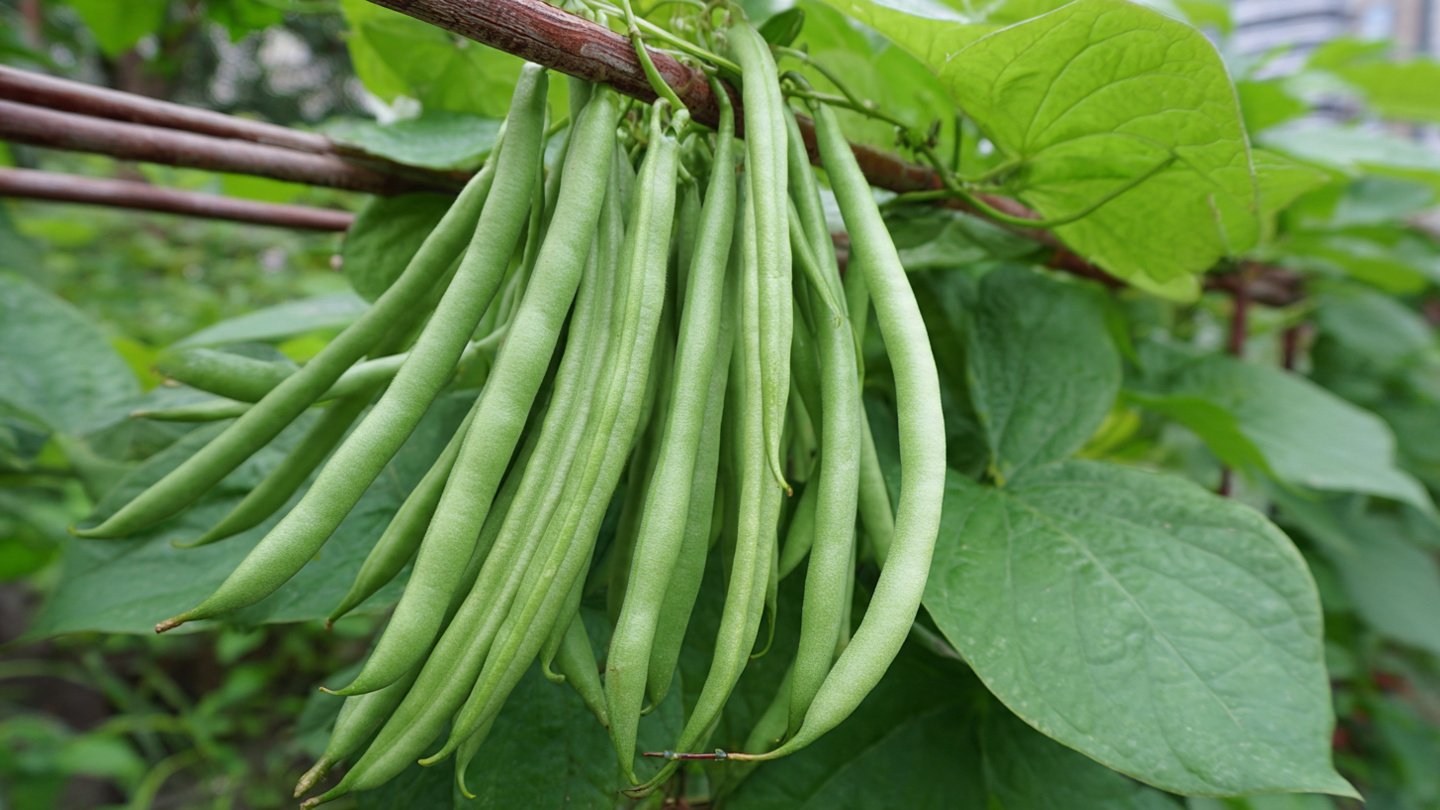
Yardlong beans are known for their vigorous growth, but many gardeners struggle to get consistent flowering and heavy harvests. The vines look healthy, climb fast, and produce plenty of leaves—yet the beans themselves are few and far between. If that sounds familiar, you’re not alone.
After years of average results, I discovered a surprisingly simple method that completely changed how my yardlong beans performed. No expensive fertilizers. No complicated feeding schedule. Just one overlooked technique that triggered massive flowering and nonstop pod production.
The results were so dramatic that even experienced gardeners were skeptical—until they tried it themselves.
The Common Problem with Yardlong Beans
Yardlong beans are climbers with endless energy. When conditions aren’t quite right, they tend to focus on leaf and vine growth instead of flowering.
Typical problems include:
- Lots of vines, very few flowers
- Flowers dropping before forming pods
- Short harvest window
- Beans forming unevenly
Most gardeners respond by adding more fertilizer or watering more often. Unfortunately, that usually makes the problem worse.
The Unexpected Secret: Controlled Stress at the Right Time
The secret that made the biggest difference was reducing nitrogen and slightly stressing the plant once vines were established.
This sounds risky—but it works because yardlong beans respond to balance, not abundance.
When vines have unlimited nitrogen and water, they stay in “growth mode.” When they experience mild stress at the right stage, they switch into “reproduction mode”—which means flowers and pods.
The key is timing.
When to Use This Method (Timing Is Everything)
This method should only be applied after:
- Vines are at least 3–4 feet tall
- Plants are well established
- Leaves look healthy and green
Never stress young seedlings. The goal is to redirect energy, not weaken the plant.
Step-by-Step: The Simple Method That Works
Step 1: Stop Nitrogen Feeding Completely
Once vines start climbing strongly:
- Stop using nitrogen-rich fertilizers
- Avoid compost teas made from fresh greens
- Do not add manure or leafy compost
Excess nitrogen equals more leaves, fewer beans.
Step 2: Reduce Water Slightly (But Don’t Let Plants Wilt)
Instead of frequent watering:
- Water deeply every 2–3 days
- Let the topsoil dry slightly between watering
- Focus water at the roots, not leaves
This mild water stress signals the plant to reproduce.
Step 3: Pinch the Growing Tips
This is the most powerful step.
Once vines reach the top of the support:
- Pinch off the growing tip
- Do this on the main vine and strong side shoots
Pinching stops upward growth and forces the plant to redirect energy into flowering nodes.
Within days, flower buds begin forming along the vine.
Step 4: Add Potassium, Not Nitrogen
To support flowering:
- Use wood ash sparingly
- Apply banana peel water
- Add a low-nitrogen, high-potassium feed if needed
Potassium strengthens flowers and improves pod development.
What Happened After Using This Method
The changes were visible within one week:
- Flower clusters multiplied rapidly
- Flower drop decreased dramatically
- Pods formed evenly and quickly
Within two weeks:
- Beans appeared on nearly every node
- Harvests became daily instead of occasional
- Vines stayed productive longer
Instead of a short harvest burst, the plants produced steadily for weeks.
Why This Method Works So Well
Yardlong beans evolved to reproduce when conditions suggest competition or limited resources. Mild stress tells the plant:
“Grow beans now before conditions change.”
This method works because it:
- Reduces excess leafy growth
- Improves airflow and light exposure
- Encourages hormonal balance for flowering
- Prevents energy waste
The plant isn’t harmed—it’s focused.
Mistakes to Avoid
This method is powerful, but only when done correctly.
Avoid these mistakes:
- ❌ Stressing plants too early
- ❌ Letting soil dry completely
- ❌ Overusing potassium sources
- ❌ Pinching weak or young vines
Controlled stress is the goal—not shock.
Works in Containers and Ground Gardens
In Containers
This method works exceptionally well because:
- Roots fill the pot quickly
- Water control is easier
- Nutrient balance is more predictable
Just monitor moisture closely.
In Ground Gardens
Spacing matters more. Make sure plants:
- Aren’t overcrowded
- Receive full sunlight
- Have good airflow
Crowded plants respond poorly to stress.
How Long the Increased Production Lasts
With proper harvesting:
- Flowering continues continuously
- Pods form every 1–2 days
- Harvest window extends by weeks
The key is frequent picking. Leaving mature pods on the vine tells the plant to slow down.
Why Most Gardeners Miss This Secret
Most gardening advice focuses on feeding and watering more. But beans are legumes—they already fix nitrogen naturally.
The real trick isn’t adding more.
It’s knowing when to stop.
That’s what flips the switch from “growth” to “production.”
Final Thoughts
If your yardlong beans look healthy but refuse to produce heavily, the problem isn’t effort—it’s balance. This simple method works because it aligns with how the plant naturally decides when to reproduce.
By reducing nitrogen, slightly limiting water, pinching growth tips, and supporting flowering with potassium, you can turn leafy vines into bean-producing machines.
Sometimes the most unexpected gardening secrets aren’t about doing more—they’re about doing less, at exactly the right moment.