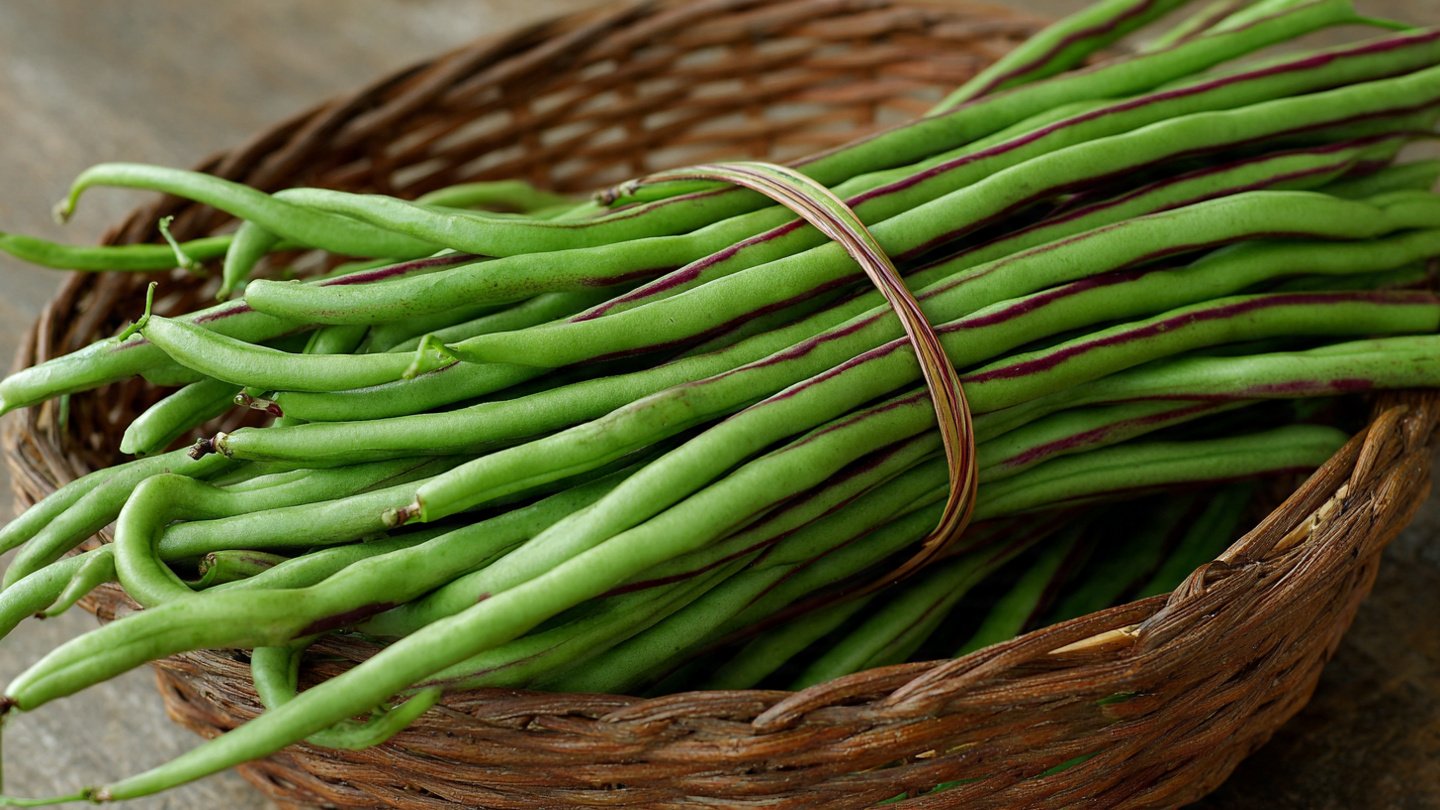
Yardlong beans are famous for their incredible productivity, fast growth, and tender, delicious pods. Yet many gardeners struggle to get the kind of heavy harvest they see in photos or videos. The vines grow tall, leaves look healthy, but the pods remain few and far between.
The good news? Yardlong beans don’t need expensive fertilizers or complicated techniques to fruit massively. In fact, there is one simple method that dramatically increases flowering and pod production—and most gardeners completely overlook it.
This article reveals the unexpected secret to massive yardlong bean fruiting, explains why it works, and shows you exactly how to apply it for consistent, high yields.
Why Yardlong Beans Sometimes Grow Leaves Instead of Pods
Yardlong beans are vigorous climbers. When conditions are slightly off, the plant prioritizes leaf and vine growth instead of flowers and pods.
Common reasons for low fruiting include:
- Too much nitrogen
- Poor airflow
- Inconsistent watering
- Weak sunlight exposure
- Improper vine management
Even healthy-looking plants may produce few beans if their energy isn’t directed toward flowering.
The Unexpected Secret: Controlled Vine Training + Light Stress
The simple method that triggers massive fruiting is controlled vine training combined with mild, intentional stress.
This doesn’t harm the plant—instead, it signals that conditions are ideal for reproduction. When yardlong bean vines are gently trained and slightly restricted, they respond by producing more flowers and longer pods.
Nature works this way: when plants sense maturity and stability, they focus on reproduction.
Step 1: Train Vines Early (This Changes Everything)
Most gardeners let yardlong bean vines grow wildly. This causes energy to scatter across long stems and excess leaves.
Instead:
- Begin training vines when they are 10–12 inches tall
- Use vertical supports like poles, trellises, or strings
- Guide one main vine upward rather than letting multiple vines compete
This keeps energy focused and improves sunlight exposure to flowering nodes.
Step 2: Limit Excess Leaf Growth
Too many leaves mean fewer flowers.
Once the vine reaches the top of its support:
- Pinch the growing tip
- Remove a few older lower leaves
- Avoid cutting flowering branches
This simple step redirects nutrients from leaf expansion to flower and pod formation.
Why This Works So Well
Yardlong beans produce flowers at leaf nodes. When light reaches these nodes and energy isn’t wasted on excess foliage, flowering increases naturally.
Benefits include:
- Better airflow
- Reduced disease
- More sunlight on flowers
- Faster pod development
This is one of the biggest differences between average harvests and massive yields.
Step 3: The Watering Trick That Boosts Flowering
Many gardeners overwater yardlong beans.
Instead of daily watering:
- Water deeply but less frequently
- Allow the topsoil to dry slightly between watering
- Avoid waterlogging
This mild stress encourages the plant to flower instead of growing leaves endlessly.
Consistent overwatering leads to lush vines—but fewer pods.
Step 4: Stop Overfeeding Nitrogen
This is where many gardeners unknowingly sabotage fruiting.
Too much nitrogen results in:
- Huge leaves
- Fast vine growth
- Delayed flowering
Switch to a balanced or low-nitrogen feed once vines are established.
Better nutrient focus:
- Compost
- Potassium-rich organic fertilizer
- Wood ash (used lightly)
- Banana peel compost or liquid
These nutrients support flowering and pod development.
Step 5: Sunlight Placement Matters More Than You Think
Yardlong beans need at least 6–8 hours of strong sunlight.
If vines receive partial shade:
- Flowers drop prematurely
- Pods remain thin or short
- Fruiting slows dramatically
Position vines where morning and midday sun are guaranteed. Afternoon shade is acceptable in very hot climates.
Step 6: Harvesting Triggers More Pods
This step is often underestimated.
- Harvest pods while they are young and tender
- Pick every 2–3 days
- Never let pods overmature on the vine
When mature pods remain, the plant believes its job is done and slows flower production.
Frequent harvesting tells the plant to keep producing.
Why Most Gardeners Never Try This Method
Traditional advice focuses heavily on fertilizers and watering schedules. Few people talk about vine control and energy direction, even though these are the real drivers of fruiting.
Many gardeners hesitate to pinch or remove leaves, fearing damage—but controlled pruning actually strengthens production.
This is why the method feels “unexpected” but works so reliably.
Common Mistakes That Reduce Fruiting
Avoid these if you want massive harvests:
- Letting vines sprawl uncontrollably
- Feeding nitrogen-heavy fertilizer too long
- Overwatering
- Ignoring vine training
- Allowing old pods to remain
Fixing just one of these can noticeably increase yields.
Who Will Benefit Most from This Method
- Home gardeners with average results
- Beginners growing yardlong beans for the first time
- Container or small-space growers
- Gardeners in warm or tropical climates
- Anyone wanting longer, heavier harvests
This method works in soil beds, raised beds, and containers.
What Results to Expect
With proper vine training and mild stress:
- Flowering increases significantly
- Pods grow longer and straighter
- Harvests become more frequent
- Plants stay productive longer
Many gardeners report double the yield using this simple approach.
Final Thoughts
Massive yardlong bean fruiting doesn’t require complicated tricks or expensive inputs. It requires understanding how the plant naturally decides when to reproduce.
By controlling vine growth, limiting excess leaves, adjusting watering, and harvesting frequently, you unlock the plant’s full potential.
This simple method works because it aligns with nature—not against it. Once you try it, you’ll never grow yardlong beans the same way again.