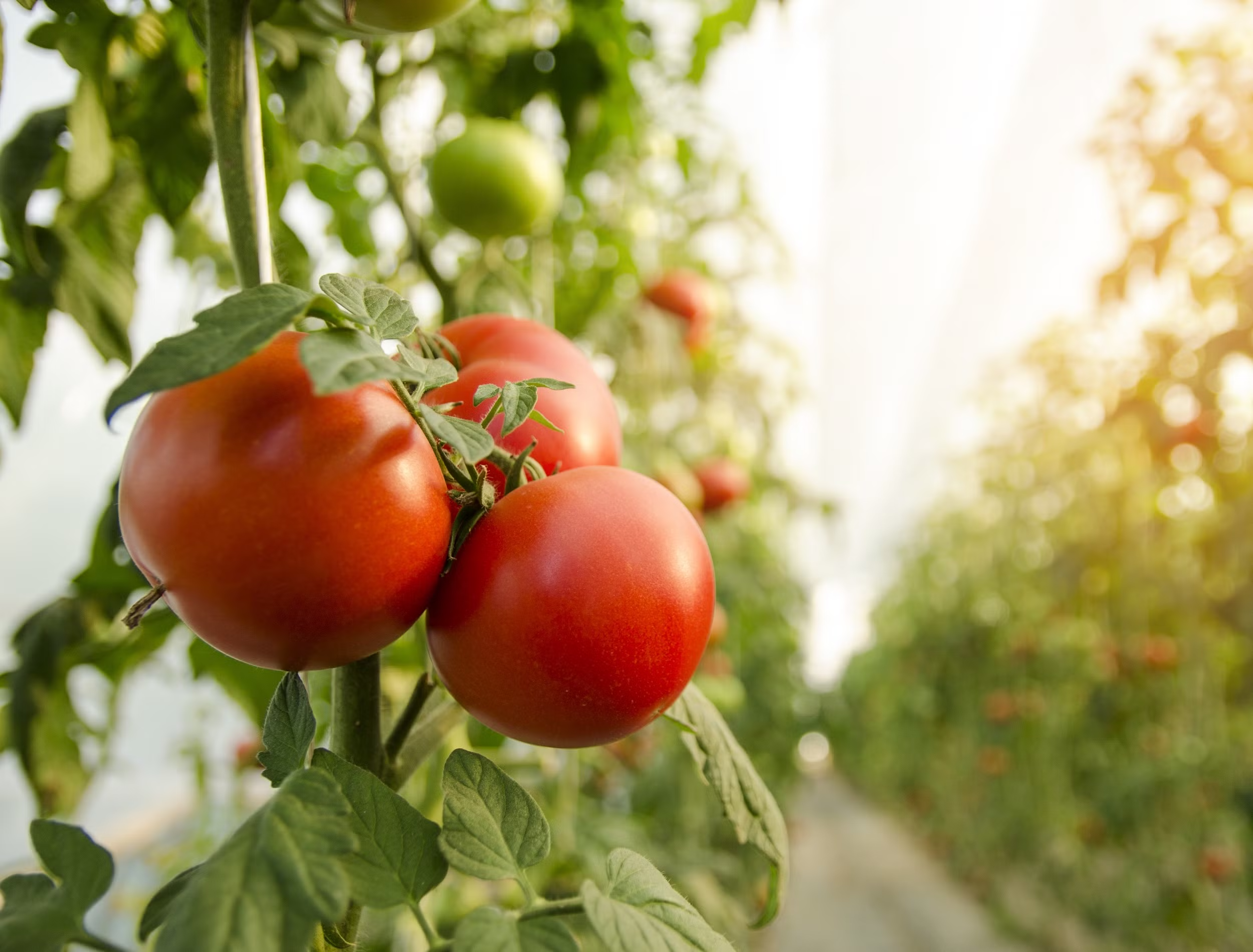
Tomatoes are one of the most popular garden crops, yet many gardeners struggle with weak plants, disease, or disappointing harvests. The surprising truth? Getting a massive tomato yield doesn’t require complicated fertilizers or constant attention. The real secret lies in how you plant, prune, and support your tomatoes from the very beginning.
By changing just a few key habits, I was able to triple my tomato harvest with less work—not more. Here’s exactly how you can grow tomatoes the right way and enjoy baskets of juicy, flavorful fruit all season long.
Why Most Tomato Plants Underperform
Before we get to the secret, it helps to understand why tomatoes often fail to reach their potential.
Common mistakes include:
- Shallow planting
- Overcrowding plants
- Excessive watering
- Ignoring pruning
- Poor airflow and sunlight
Tomatoes are vigorous growers, but they need structure and balance. When these basics are ignored, plants waste energy on leaves instead of fruit.
The Real Secret: Grow Roots First, Fruits Later
The single biggest difference between average and exceptional tomato harvests is root development.
Strong roots mean:
- Better nutrient uptake
- Improved drought resistance
- More flowers and fruit
- Healthier, longer-producing plants
Everything in this method supports deep, powerful roots.
Step 1: Plant Tomatoes Deep (Deeper Than You Think)
Tomatoes are unique because they can grow roots along buried stems. Instead of planting them at soil level, bury two-thirds of the plant underground.
How to do it:
- Remove the lower leaves
- Dig a deep hole or trench
- Lay the stem horizontally if needed
- Cover with soil, leaving only the top leaves exposed
This creates an underground network of roots that fuels explosive growth.
Step 2: Space Plants Generously
Crowded tomato plants compete for light, water, and nutrients—and competition kills yield.
Ideal spacing:
- Determinate varieties: 18–24 inches apart
- Indeterminate varieties: 24–36 inches apart
More space equals better airflow, fewer diseases, and larger fruit.
Step 3: Water Less Often—but More Deeply
Frequent shallow watering creates weak surface roots. Instead, water deeply and less often.
Best practice:
- Water at the base, not overhead
- Allow soil to dry slightly between waterings
- Aim for deep moisture penetration
This encourages roots to grow downward, strengthening the entire plant.
Step 4: Mulch Like a Pro
Mulching is one of the easiest ways to increase tomato yield with minimal effort.
Benefits of mulching:
- Retains soil moisture
- Regulates soil temperature
- Prevents weeds
- Protects roots from stress
Use straw, dried leaves, compost, or grass clippings. A 2–3 inch layer is ideal.
Step 5: Prune for Productivity
This is where many gardeners hesitate—but proper pruning is a game changer.
Focus on:
- Removing lower leaves touching the soil
- Pinching off unnecessary suckers
- Improving airflow and sunlight penetration
By reducing excess foliage, the plant redirects energy into fruit production instead of leaf growth.
Step 6: Support Early and Correctly
Tomatoes hate being left unsupported. Weak stems and tangled vines lead to disease and lost fruit.
Use:
- Stakes
- Tomato cages
- Trellises
Tie stems loosely and guide growth upward. Vertical growth improves airflow and makes harvesting easier.
Step 7: Feed Lightly, Not Constantly
Overfeeding tomatoes—especially with nitrogen—produces lush leaves but fewer fruits.
Smart feeding strategy:
- Use compost at planting time
- Apply balanced fertilizer sparingly
- Reduce feeding once flowering begins
Less fertilizer often leads to more tomatoes.
Step 8: Control Stress, Not Growth
Tomatoes produce more fruit when they experience mild, controlled stress.
That means:
- Not overwatering
- Not overfeeding
- Allowing roots to work for nutrients
Happy—but not spoiled—plants are the most productive.
Step 9: Harvest Regularly
Leaving ripe tomatoes on the vine signals the plant to slow down.
Harvest tips:
- Pick tomatoes as soon as they ripen
- Harvest every few days
- Remove damaged or cracked fruit promptly
Frequent harvesting encourages continuous flowering and fruiting.
The Results: 3x More Tomatoes, Less Work
By focusing on root strength, spacing, pruning, and simple care, the difference is dramatic.
Gardeners using this method often notice:
- Larger plants with fewer problems
- More flowers per plant
- Consistent fruiting throughout the season
- Better flavor and fewer cracked tomatoes
And best of all—it requires less daily effort, not more.
Common Mistakes to Avoid
Even with the right method, avoid these yield-killing habits:
- Overwatering during fruiting
- Skipping pruning entirely
- Allowing plants to sprawl on the ground
- Feeding too aggressively late in the season
Balance is the key to success.
Final Thoughts
The secret to growing tomatoes the right way isn’t expensive products or complicated routines—it’s understanding how the plant naturally wants to grow. When you prioritize roots, manage foliage, and reduce unnecessary stress, tomatoes reward you generously.
If you’ve ever wondered why some gardeners harvest bucket after bucket of tomatoes, now you know. Apply these steps this season, and you’ll be amazed at how much your plants can produce with minimal effort.