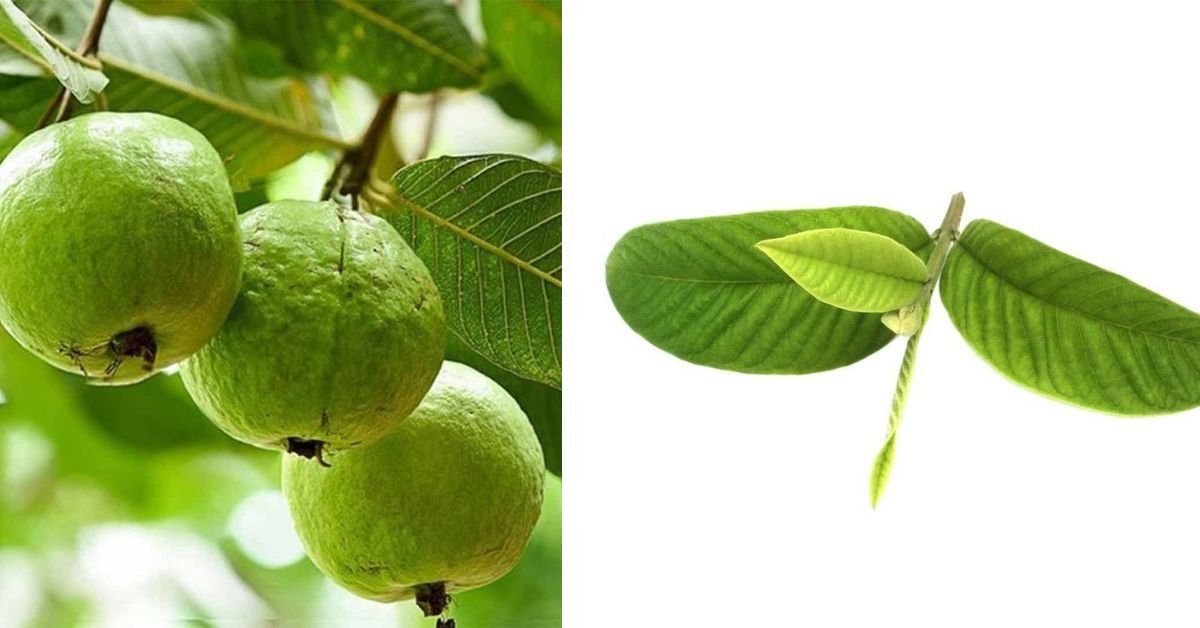
Guava is one of the most rewarding fruit plants for home gardeners. Hardy, productive, and packed with nutrition, guava trees can thrive in backyards, terraces, and even large containers. Traditionally, growing guava from seed or conventional cuttings takes patience, often several years before the plant becomes strong enough to fruit. But with a faster and more reliable propagation approach, you can now produce healthy guava plants in record time. This article explains a revolutionary yet practical technique to propagate guava efficiently, even for beginners.
Why Faster Guava Propagation Matters
Many gardeners give up on guava propagation because seeds produce unpredictable results, and cuttings often fail to root. Slow growth means long waiting periods before flowering and fruiting begin. Faster propagation techniques allow you to:
- Produce true-to-type plants identical to the parent tree
- Reduce the time needed to establish strong roots
- Achieve earlier flowering and fruiting
- Multiply healthy guava plants for home or small-scale growing
With the right method, you can skip years of waiting and enjoy vigorous guava plants much sooner.
Understanding the New Fast-Track Approach
The most effective and fastest method to propagate guava is air layering, combined with proper timing, moisture control, and aftercare. This technique encourages roots to form on a branch while it is still attached to the mother plant, ensuring continuous nutrient supply during root development.
Unlike seeds or traditional cuttings, air layering has a very high success rate and produces plants that bear fruit earlier because the branch is already mature.
Best Time to Propagate Guava
Timing plays a critical role in success. The ideal period for rapid guava propagation is:
- Warm months with moderate humidity
- Avoid extreme heat waves or cold seasons
- Early monsoon or late spring conditions are ideal
During this time, sap flow is active, which encourages quicker root formation.
Step-by-Step Guide to Rapid Guava Propagation
Step 1: Select the Right Branch
Choose a healthy, disease-free guava branch that is:
- About pencil-thick
- Semi-hardwood (not too soft or too woody)
- At least one year old
Avoid weak or shaded branches, as they root more slowly.
Step 2: Prepare the Branch
- Identify a spot about 20–30 cm from the branch tip
- Remove a ring of bark around 2–3 cm wide
- Scrape gently to remove the cambium layer, preventing the bark from reconnecting
This interruption forces the plant to produce roots above the cut.
Step 3: Apply Rooting Medium
To speed up rooting:
- Use moist sphagnum moss, coco peat, or a mix of soil and compost
- Optionally apply natural or commercial rooting hormone for faster results
- Wrap the moist medium tightly around the exposed area
Ensure the medium is damp but not dripping wet.
Step 4: Seal and Protect
- Wrap the medium with clear plastic sheet
- Tie both ends securely with string or tape
- Cover with aluminum foil or dark plastic to protect from sunlight
This creates a warm, humid environment ideal for root growth.
How Fast Do Roots Develop?
With this improved technique, roots often appear within 15–25 days, depending on climate and plant health. You’ll know it’s ready when you see white or light-brown roots filling the wrapped area.
Compared to traditional methods that may take months, this approach drastically cuts propagation time.
Detaching and Planting the New Guava Plant
Once roots are well-developed:
- Cut the branch just below the rooted area
- Remove plastic carefully without disturbing the roots
- Plant immediately in a pot filled with rich, well-draining soil
Keep the plant in partial shade for the first 7–10 days to reduce stress.
Aftercare for Rapid Growth
Proper aftercare is essential to maintain the speed advantage gained during propagation.
Watering
- Keep soil consistently moist, not waterlogged
- Avoid drying out during the first few weeks
Sunlight
- Start with filtered light
- Gradually introduce full sunlight after two weeks
Nutrition
- Avoid heavy fertilizer initially
- After 3–4 weeks, apply light organic compost or liquid feed
Why This Method Works So Well
This fast guava propagation technique is successful because:
- The branch remains connected to the parent plant during rooting
- Nutrient and water flow continue uninterrupted
- Stress is minimized compared to cuttings
- Rooting hormones (natural or added) act more effectively
The result is a strong, well-established young plant with minimal transplant shock.
Common Mistakes to Avoid
Even with a revolutionary method, small mistakes can slow progress:
- Letting the rooting medium dry out
- Using very young or very old branches
- Cutting the layered branch too early
- Exposing newly planted layers to strong sun immediately
Avoiding these errors ensures near-perfect success rates.
Can This Technique Be Used in Containers?
Yes. Air layering works exceptionally well for guava plants grown in pots. Container-grown mother plants are easier to manage, inspect, and protect from pests. This makes the technique ideal for urban gardeners with limited space.
How Soon Will the New Plant Bear Fruit?
One of the biggest advantages of this method is early fruiting. Since the propagated plant is genetically mature:
- Flowering can begin within 1–2 years
- Fruiting occurs much earlier than seed-grown plants
With good care, you may enjoy homegrown guavas surprisingly fast.
Final Thoughts
This breakthrough guava propagation technique transforms the way gardeners grow guava at home. By combining air layering with proper timing and care, you can multiply healthy guava plants quickly, reliably, and with minimal effort. Whether you’re a beginner or an experienced gardener, this method offers faster results, stronger plants, and earlier harvests.
If you’ve been waiting years to enjoy guava from your own garden, this revolutionary approach proves that patience is no longer the main requirement—smart technique is.