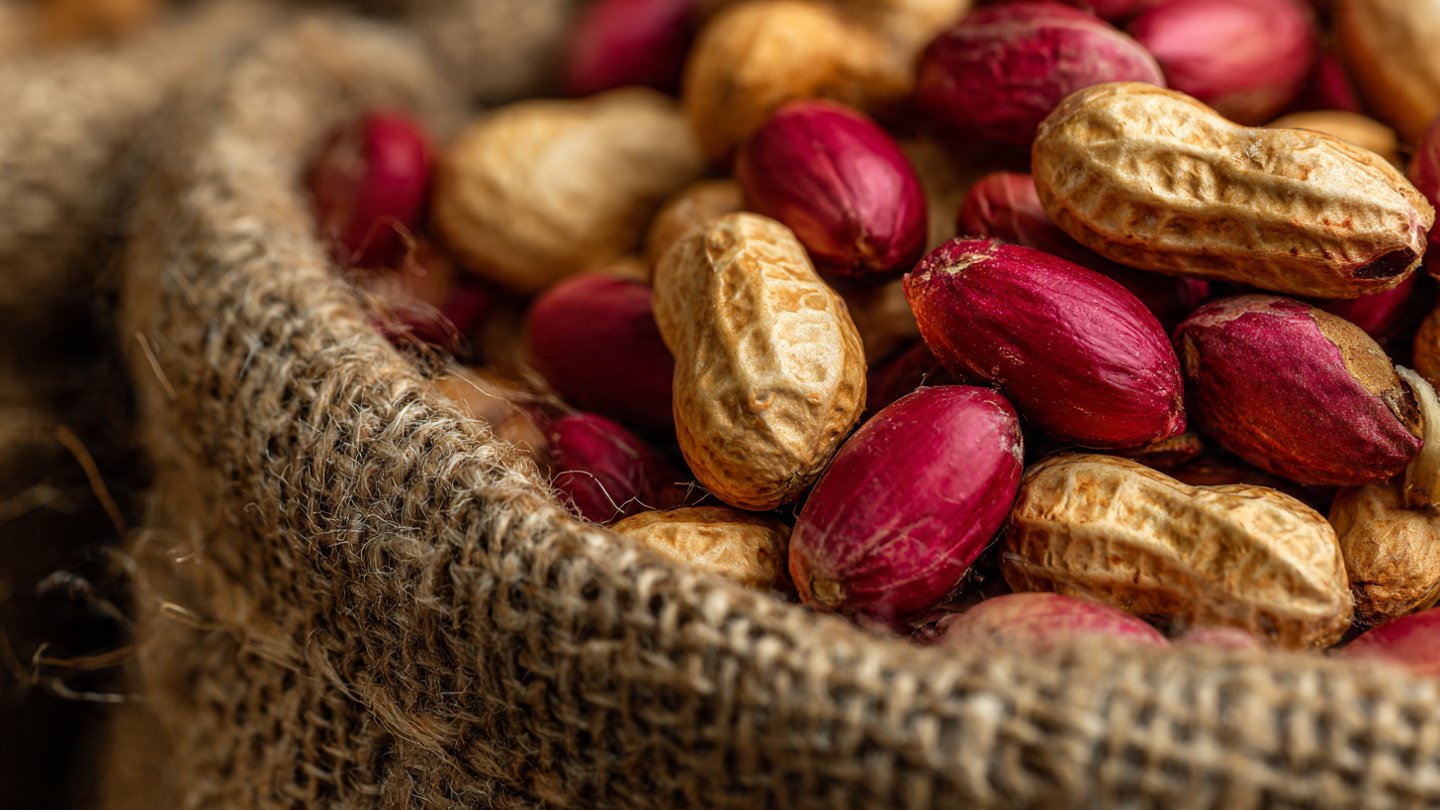
Peanuts, especially the Queen variety, are one of those surprising crops that you can grow right in your backyard, balcony, or garden. I always thought peanuts were something only farmers could grow on a large scale—but after trying a few simple techniques, I discovered that a single plant can produce a bounty far beyond what I expected.
Growing Queen peanuts at home is not only fun and rewarding but also an incredible way to enjoy fresh, nutrient-rich legumes straight from your own garden. They’re rich in protein, healthy fats, and antioxidants, making them both delicious and highly nutritious. Here’s everything I learned about growing them successfully.
Why Grow Queen Peanuts at Home
Queen peanuts are smaller than regular varieties but are known for their excellent taste, productivity, and adaptability to home gardens. Unlike larger commercial types, they thrive in containers, raised beds, or small garden patches.
Homegrown peanuts are also chemical-free and fresher than store-bought ones. And once you get the process right, the harvest is plentiful. I was amazed at just how many peanuts a few plants could produce!
Step 1: Choosing the Right Seeds
The first secret to a great peanut harvest is starting with high-quality seeds. Queen peanuts are often sold as raw, shelled seeds specifically meant for planting. Avoid roasted or salted peanuts—they won’t germinate.
Look for seeds that are plump, firm, and free from mold or cracks. This ensures faster germination and healthier plants. I usually soak the seeds in water for 4–6 hours before planting to kickstart the sprouting process.
Step 2: Preparing the Soil
Peanuts need light, well-draining soil to grow properly. Heavy clay soils can stunt growth or rot the pods underground. I found a sandy-loam mix works best. Mixing in compost or organic manure enriches the soil and encourages strong root development.
A soil pH of 6–7 is ideal. You don’t need fancy fertilizers at first—the plants are nitrogen-fixing and can actually enrich the soil for later crops.
Step 3: Planting the Peanuts
Planting peanuts is easier than I expected. Each seed should be buried about 2 inches deep, with the pointed end facing down. Space them at least 8–10 inches apart in rows or containers to give the plants room to spread.
In containers, make sure they are at least 12 inches deep so the pods can develop fully underground. Peanuts need depth because their pods grow below the surface.
Step 4: Sunlight and Temperature
Peanuts are sun-loving plants. They need at least 6–8 hours of direct sunlight each day for optimal growth. I placed my containers on a balcony that receives full sun for most of the day, and the plants thrived.
They also prefer warm conditions, ideally between 25–30°C (77–86°F). Cooler climates can slow growth, but they’ll still produce if you start them indoors or use a greenhouse.
Step 5: Watering Secrets
One of the key secrets I learned is consistent but moderate watering. Peanuts need moist soil, especially during flowering and pod formation, but overwatering can rot the roots.
I water deeply once or twice a week, depending on the weather, making sure the soil drains well. Mulching around the plants helps retain moisture and keeps weeds down.
Step 6: Caring for the Plants
Queen peanuts are relatively low-maintenance once established. Some tips I discovered:
- Weeding: Keep the area around the plants clear to reduce competition.
- Staking not needed: Unlike other legumes, peanuts grow close to the ground, so support isn’t required.
- Fertilizer: Since peanuts fix nitrogen naturally, I only added a bit of compost midway through the season for extra nutrients.
Step 7: Flowering and Pegging
This is the fascinating part: peanut plants produce yellow flowers above ground. After pollination, the flowers form “pegs” that grow downward into the soil. These pegs then develop into the peanut pods underground.
Watching the pegs grow is what made me realize the potential harvest—I couldn’t believe so many pods could develop from a few small plants!
Step 8: Harvesting Your Queen Peanuts
Queen peanuts are ready to harvest 120–150 days after planting. The leaves will start to yellow, signaling that the pods are mature.
To harvest, gently dig around the plant and lift it from the soil. Shake off excess dirt and leave the pods to dry for a few days in a sunny, well-ventilated area. Proper drying prevents mold and ensures long shelf life.
From just a few plants, I harvested dozens of pods—far more than I expected. It’s incredibly satisfying to see the results of such a simple method.
Step 9: Storage Tips
Once dried, store peanuts in their shells in a cool, dry place. They can last for several months without refrigeration. For longer-term storage, consider vacuum sealing or storing in airtight containers.
If you want to enjoy fresh green peanuts, harvest them earlier—about 90 days after planting. Boil or roast them immediately for a delicious snack.
Why This Method Works
What surprised me the most is that Queen peanuts don’t require complex soil amendments, elaborate fertilization, or specialized equipment. By following simple planting, watering, and care steps, I achieved a high-yield harvest with minimal effort.
The combination of sun, sandy-loam soil, consistent moisture, and allowing the pegs to develop underground is the “secret” to growing more than I ever expected.
Perfect for Home Gardens and Urban Spaces
Queen peanuts are ideal for home gardens, rooftops, and even large balcony containers. Their low height, minimal support needs, and high productivity make them perfect for urban gardeners who want fresh produce without much space.
Plus, growing peanuts is a fun experiment. It’s satisfying to watch flowers above ground and then dig up the hidden bounty below.
Final Thoughts: A Harvest I Didn’t Expect
Growing Queen peanuts at home completely changed my perspective on what’s possible in small-scale gardening. With minimal effort, I achieved a continuous, plentiful harvest of nutritious peanuts. The process is easy, educational, and incredibly rewarding.
If you’ve ever thought peanuts were “too hard to grow,” give Queen peanuts a try. You might be as pleasantly surprised as I was by the sheer number of pods a few plants can produce.
Homegrown peanuts are not just tasty—they’re proof that clever gardening can turn simple seeds into an abundant, healthy harvest.