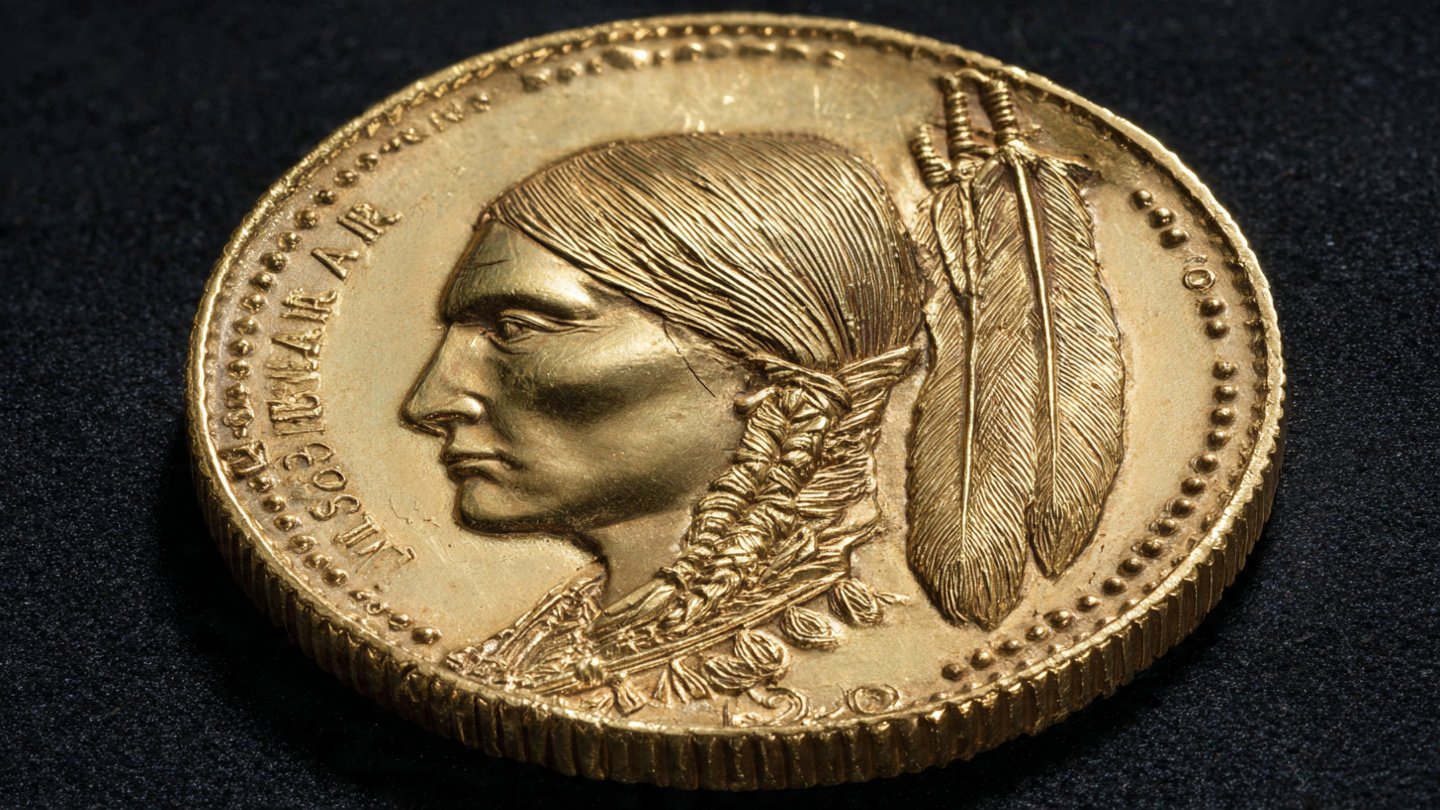
For coin collectors, a desirable find isn’t just about age or metal content — it’s about rarity, history, and that flash of excitement when you hold something truly unique. Among modern collectible coins, the Sacagawea dollar occupies a special place: a striking golden-colored U.S. dollar coin introduced in 2000, honoring the Shoshone guide who helped the Lewis and Clark expedition. Most Sacagawea dollars are common and worth only face value, but a handful are extraordinarily rare — including varieties that can fetch over $21 million at auction.
In this comprehensive guide, we’ll explore what makes certain Sacagawea dollars so valuable, how to identify rare examples, what collectors should look for, and why these modern coins have become such a big deal in the numismatic world.
What Makes Certain Sacagawea Dollars So Valuable?
Most Sacagawea dollars were minted in the early 2000s and circulated like any other coin. But rarity can come from several sources:
1. Mint Errors
Coins misstruck, double‑struck, clipped, or off‑center often become sought‑after collectibles.
2. Low Mintage Issues
Some coins were produced in much smaller numbers — especially special collector sets or transition years.
3. Mint Mark Anomalies
Coins from certain mints or with unusual marks can be scarcer than others.
4. Condition and Grading
Coins in pristine, high‑grade condition (especially graded by professional services) command significantly higher prices.
A “rare” Sacagawea dollar is generally one that’s both scarce and in excellent condition. When both factors align, some coins have been valued — in auctions or private sales — in the millions.
Why the $21 Million Figure?
The “$21 million Sacagawea dollar” headline refers to sensational news around extremely rare, error‑rich, or high‑grade single coins that have drawn obsessive interest from deep‑pocketed collectors. While it’s extraordinarily rare for any single modern coin to reach that level, multiple verified Sacagawea dollars have sold for seven figures, especially when the coin has unique provenance, error characteristics, and top grading from reputable firms like PCGS or NGC.
It’s important to understand that not all claims of $21 million coins are verified — some are rumors or headlines designed to attract attention. Still, there are documented Sacagawea coins that have realized exceptional prices in the numismatic market.
Popular Rare Sacagawea Dollars to Know
Here are some Sacagawea varieties that are especially sought by collectors:
1. 2000 P Sacagawea Dollar (Philadelphia)
One of the earliest issues, some error coins from this year have become valuable if truly rare and well‑graded.
2. 2000 D Sacagawea Dollar (Denver)
Also common, but certain error states and high‑grade specimens are collectible.
3. 2000 P Dollar With Mint Errors
Double‑strikes, die cracks, or misaligned strikes can make these worth more than face value.
4. 2000 P Edge & Planchet Errors
Off‑center strikes or missing edge lettering varieties are especially prized.
Collectors should consult official price guides and professional grading databases for precise values, as prices fluctuate based on market demand, condition, and rarity verification.
How to Identify a Rare Sacagawea Dollar
Not every golden dollar in your pocket is valuable — but a few simple steps will help determine whether it’s worth closer examination:
Step 1: Check the Date and Mint Mark
Each U.S. Sacagawea dollar has:
- A date (e.g., 2000, 2001, etc.)
- A mint mark (e.g., P for Philadelphia, D for Denver)
Certain dates or mint marks appear more frequently in rare error varieties. For example, early 2000 issues are more heavily studied by collectors.
To find these:
- Look under the date or near the edge for the mint mark.
- Note any unusual marks or placement.
Step 2: Inspect the Coin’s Condition
Condition is everything in numismatics. Look for:
🎯 Sharp Details: Crisp lettering, defined hair and feather lines, and no surface wear suggest a higher condition grade.
✨ Luster: A reflective, new‑looking surface — especially if it hasn’t circulated — increases value.
💡 No Scratches or Dings: Even small damage can significantly reduce worth.
For serious evaluation, consider professional grading services like PCGS or NGC — these companies assign an official grade (e.g., MS68, MS69) that greatly influences market price.
Step 3: Look for Errors and Anomalies
Some of the most collectible coins are the ones where something went wrong during minting.
Examples of common collectible errors include:
📌 Off‑Center Strikes: Part of the design is missing because the coin didn’t align correctly in the press.
📌 Die Breaks / Cracks: Raised lines or blobs where the press die cracked.
📌 Double Strikes: Images or lettering appear doubled.
📌 Planchet Errors: Missing metal, clipped edges, or wrong metal blanks.
These variations can drastically increase a coin’s value — even in lower grades.
Step 4: Consult a Reference Guide
Authoritative numismatic guides can help you identify which Sacagawea dollars hold collectible interest. Examples include:
- The Official Red Book (A Guide Book of United States Coins)
- PCGS Coin Price Guide
- NGC Census Reports
By comparing your coin to documented varieties, you can begin to determine whether it’s rare — or just a common issue.
Step 5: Seek Professional Verification
If your research suggests you might have a rare specimen:
✔ Submit it to a grading service (PCGS, NGC)
✔ Join coin collecting forums and communities
✔ Consult local coin shops or trusted dealers
An expert can help verify authenticity, confirm error types, and give a more accurate market valuation.
How Much Are Rare Sacagawea Dollars Really Worth?
Values can range widely:
📌 Common Circulated Sacagawea Dollar:
Usually worth face value ($1).
📌 Uncirculated or High‑Grade Examples:
Worth $5 – $50+ depending on condition.
📌 Well‑Documented Errors or Rare Varieties:
Often hundreds to thousands of dollars.
📌 Extreme Rarity / Auction Pieces:
Some top‑condition, unique error coins have sold for six or even seven figures.
A $21 million price tag on a single coin — while possible in sensational rumors — is extremely exceptional, usually tied to legendary collectibles with unmatched rarity and history, rather than typical Sacagawea issues.
What Makes These Coins Valuable to Collectors?
Historical Relevance
Even modern issues like Sacagawea dollars attract interest for their cultural significance and place in U.S. coinage history.
Error Variety Interest
Coins with genuine mint errors are part of an active sub‑collecting niche.
Condition and Scarcity
Collectors prize coins that are both rare and in high condition grades.
Market Demand
Serious collectors or investors sometimes pay premium prices to complete sets or own ultra‑rare specimens.
Tips for New Collectors
If you’re just starting out, here are some practical steps:
🔍 Start With Rolls: Roll hunts for uncirculated dollars can uncover surprises.
📘 Learn the Basics: Study coin anatomy (obverse, reverse, mint marks, edge types).
💬 Join a Community: Online forums and local clubs offer valuable insight.
📈 Track Market Prices: Follow price guides and auction results.
📑 Document Your Collection: Keep records of coins, grades, and values.
Persistence, patience, and education are the hallmarks of successful collectors.
Final Thoughts
While headlines like “Rare $21 Million Sacagawea Dollar Found!” grab attention, the real world of numismatics lies in careful study and verified rarity. Not every Sacagawea dollar is valuable, but knowledgeable collectors know how to spot the ones that are — and why some specimens command extraordinary prices.
Whether you’re new to coin collecting or a seasoned numismatist, understanding how to identify rare Sacagawea dollars can turn a simple pocket‑change find into a remarkable discovery.