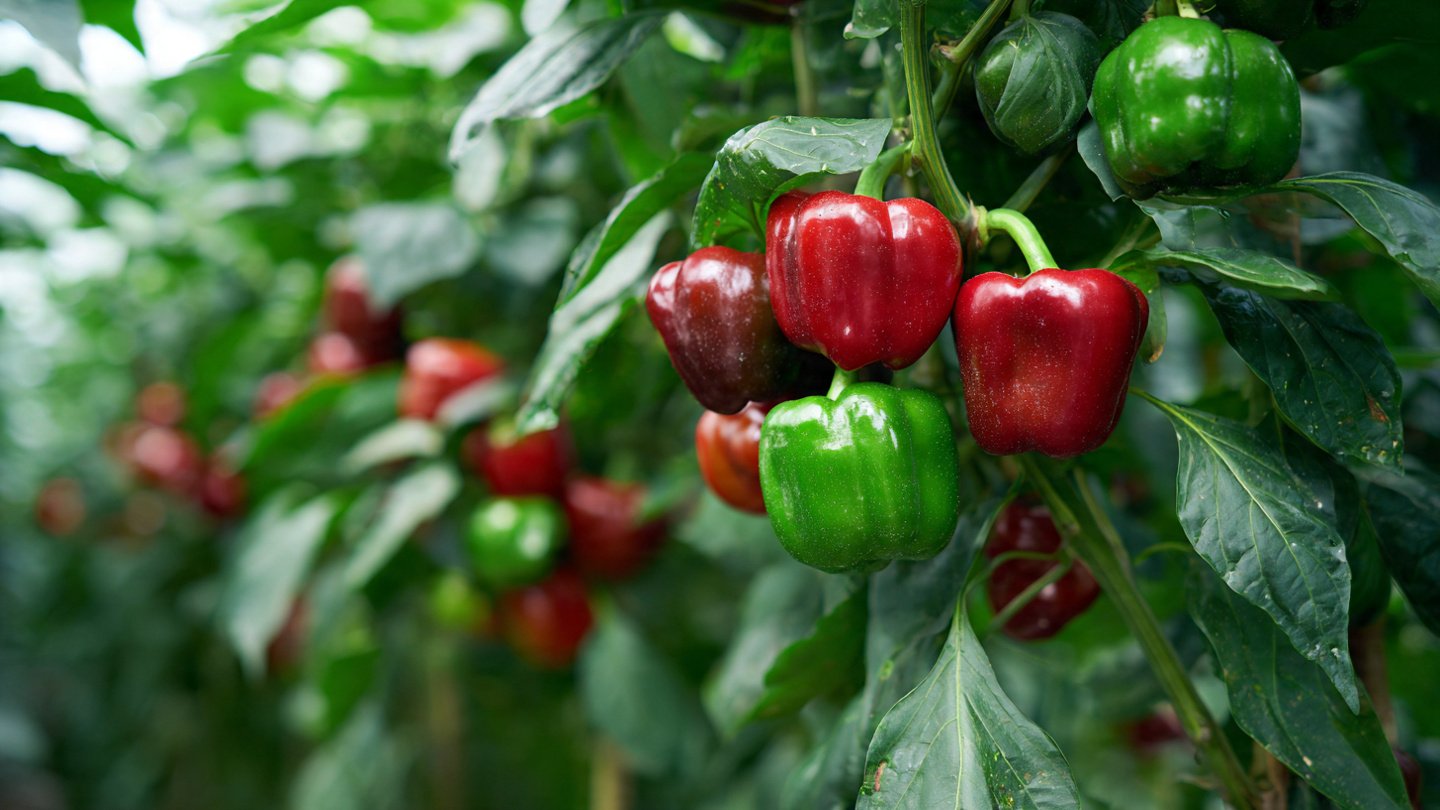
Peppers are among the most rewarding plants to grow at home. Whether you prefer mild bell peppers, spicy chili varieties, or exotic hot peppers, a well-cared-for plant can provide an abundant harvest season after season. However, growing pepper plants that thrive and produce both flowers and fruit requires more than just planting seeds and watering occasionally. Understanding their needs—from soil and sunlight to pruning and fertilization—can dramatically improve growth, flowering, and fruit production.
This comprehensive guide offers practical, powerful tips to help your pepper plants reach their full potential, even for beginner gardeners.
Why Proper Care Is Essential for Peppers
Pepper plants are sensitive to environmental conditions. Poor soil, irregular watering, or nutrient deficiencies can lead to stunted growth, fewer flowers, or low fruit yields. By providing consistent care, you encourage plants to focus their energy on flowering and fruiting rather than just survival. Healthy pepper plants not only grow taller and stronger but also produce more flavorful, abundant peppers for your kitchen or garden.
1. Start With Healthy Plants
The foundation of a productive pepper garden begins with strong seedlings or young plants.
- Choose disease-free seedlings from a trusted nursery or start seeds indoors in sterilized soil.
- Inspect leaves and stems for pests or discoloration before planting.
- Harden off seedlings by gradually introducing them to outdoor conditions over 5–7 days to prevent transplant shock.
Healthy young plants adapt faster, grow stronger roots, and flower earlier.
2. Optimal Soil and Location
Peppers thrive in well-draining, nutrient-rich soil with a slightly acidic to neutral pH of 6.0–7.0.
Soil preparation tips:
- Mix garden soil with compost or well-rotted manure for fertility.
- Add a little sand or perlite to improve drainage.
- Avoid heavy clay soils that retain too much water.
Location:
- Choose a sunny spot that receives at least 6–8 hours of direct sunlight daily.
- Good airflow reduces fungal infections and encourages stronger stems.
Sunlight and soil quality directly impact growth, flowering, and fruit size.
3. Watering Techniques for Strong Growth
Consistent, deep watering is critical for pepper plants. Irregular watering can cause stress, leading to flower drop or misshapen fruit.
Watering tips:
- Water deeply 2–3 times per week, depending on weather and soil.
- Avoid wetting leaves excessively to reduce fungal problems.
- Mulch around the base to retain moisture and regulate soil temperature.
Peppers benefit from slightly moist soil rather than soggy conditions.
4. Fertilization for Growth and Flowering
Peppers need a balanced supply of nutrients to support leafy growth, flower development, and fruit production.
Fertilizer guidelines:
- Before planting: Incorporate compost or organic fertilizer into the soil.
- During growth: Use a nitrogen-rich fertilizer to encourage strong stems and foliage.
- Before flowering: Switch to a phosphorus- and potassium-rich fertilizer to boost flowers and fruit set.
Avoid excessive nitrogen during flowering, as it encourages leaf growth at the expense of flowers and fruit. Organic options like compost tea or bone meal work well for steady nutrition.
5. Pruning and Training Pepper Plants
Pruning helps plants focus energy on producing flowers and fruit instead of excessive foliage.
Pruning tips:
- Remove damaged or yellow leaves promptly.
- Pinch early flowers to encourage stronger root and branch growth in young plants.
- For larger varieties, remove lower leaves and suckers to improve airflow and sunlight penetration.
Training pepper plants with stakes or cages keeps branches upright, prevents breakage under heavy fruit, and ensures even sunlight distribution.
6. Temperature Management
Peppers are warm-weather plants and are sensitive to extreme temperatures.
- Ideal daytime temperatures: 21–29°C
- Ideal nighttime temperatures: 18–21°C
Too-cold conditions slow growth and may prevent flowering. High temperatures above 32°C can cause flower drop and poor fruit set. Use shade cloths in extreme heat or plant peppers in containers that can be moved to more favorable conditions.
7. Pollination Techniques
Pepper flowers are self-pollinating, but they benefit from assistance to increase fruit set.
Tips for better pollination:
- Gently shake flowering branches to help pollen transfer.
- Use a small brush or cotton swab to move pollen between flowers.
- Encourage pollinators like bees and butterflies by planting companion flowers nearby.
Enhanced pollination directly increases the number of peppers your plant produces.
8. Pest and Disease Management
Healthy plants produce more flowers and fruit, but pests and diseases can reduce yields.
Common pests: aphids, whiteflies, spider mites, and caterpillars
Common diseases: blossom end rot, fungal leaf spots, and bacterial leaf spot
Prevention and control tips:
- Keep the garden clean and remove fallen debris.
- Inspect plants regularly for pests.
- Use organic sprays like neem oil or insecticidal soap when needed.
- Rotate crops and avoid planting peppers in the same soil year after year.
Early intervention keeps plants strong and productive.
9. Mulching for Growth and Fruit Production
Mulching conserves moisture, regulates soil temperature, and prevents weed competition. Organic mulches such as straw, dried leaves, or shredded bark also improve soil fertility as they decompose. Mulched pepper plants often grow faster, produce more flowers, and yield larger fruits.
10. Harvesting Tips for Maximum Yield
Harvesting peppers at the right time encourages continued fruit production.
- Pick peppers when they reach the desired size and color.
- Use sharp scissors or pruning shears to avoid damaging branches.
- Regular harvesting prevents fruit from overripening and stimulates more flowering.
Frequent harvesting ensures your plant continues to produce throughout the season.
Bonus Tip: Companion Planting
Certain companion plants enhance pepper growth and protect against pests.
- Basil: Improves pepper flavor and repels pests
- Marigolds: Deter nematodes and insects
- Onions and garlic: Discourage aphids and other pests
Strategic companion planting supports a healthier, more productive garden ecosystem.
Final Thoughts
Growing peppers successfully requires attention to sunlight, water, nutrients, pruning, and temperature. By applying these practical tips, gardeners can boost plant growth, increase flower production, and enjoy a bountiful harvest of flavorful peppers. With proper care and a little patience, even a small garden or balcony setup can yield a vibrant collection of bell peppers, chili peppers, or exotic varieties, making every meal fresher and more satisfying.
Healthy, well-nurtured pepper plants don’t just grow—they thrive, flower abundantly, and reward gardeners with delicious, homegrown fruit season after season. By following these tips, your peppers will reach their full potential and transform your garden into a pepper paradise.