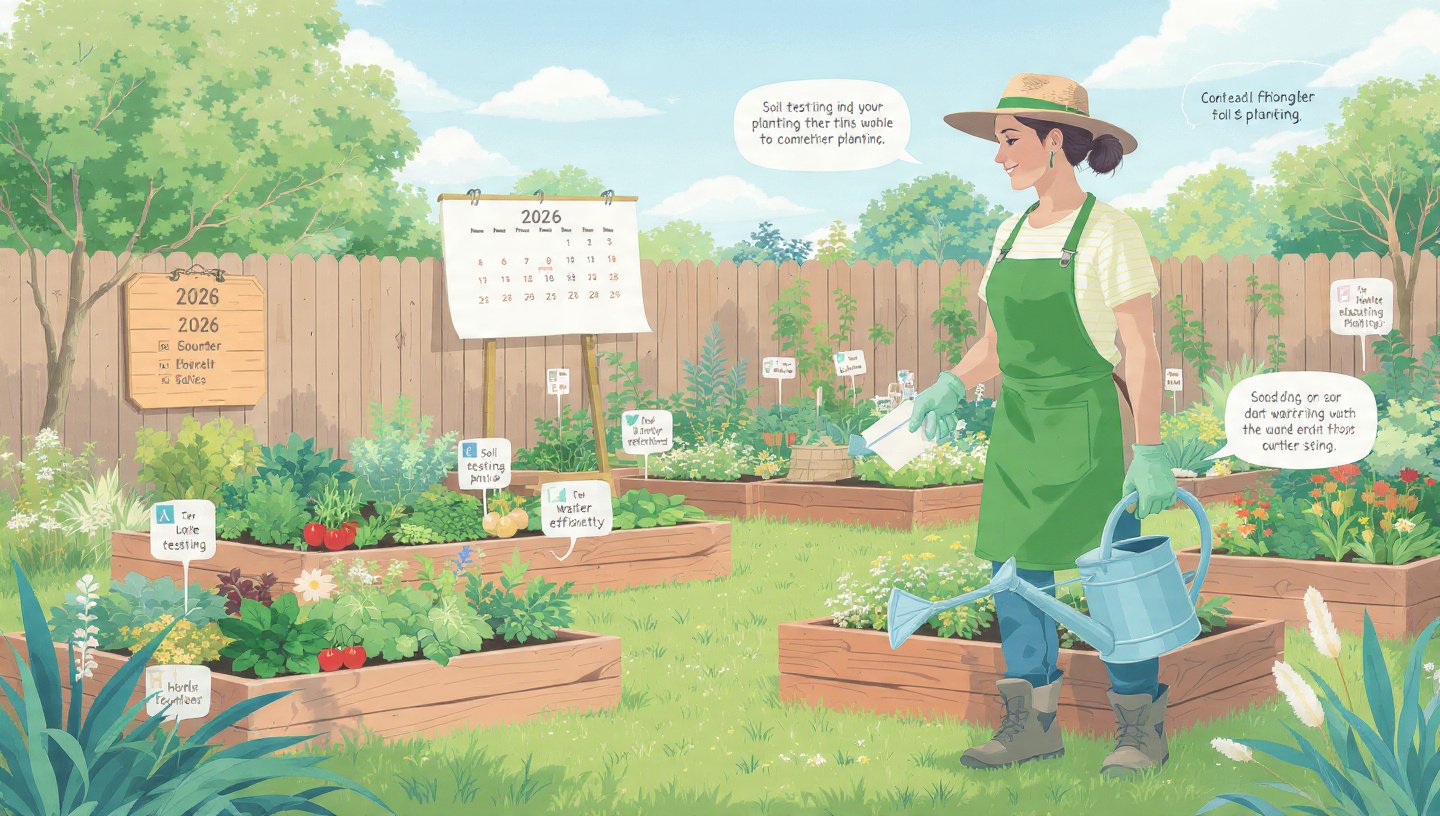
Gardening is evolving every year, and 2026 brings new trends, technologies, and techniques that can help both novice and experienced gardeners grow healthier, more productive plants. Whether you’re cultivating a backyard vegetable garden, a container garden on your balcony, or vibrant flower beds, understanding modern planting strategies is essential. Here are key planting tips that every gardener should know in 2026.
1. Prioritize Soil Health
The foundation of any successful garden is healthy soil. In 2026, gardeners are placing even more emphasis on soil testing and amendment. Begin by testing your soil’s pH, nutrient levels, and texture. Most plants thrive in slightly acidic to neutral soil (pH 6–7), but certain crops like blueberries and azaleas prefer more acidic soil.
To improve soil structure and fertility:
- Incorporate organic matter such as compost, aged manure, or leaf mold.
- Use cover crops like clover or rye during off-seasons to add nitrogen and prevent erosion.
- Consider microbial inoculants that enhance soil biodiversity and nutrient uptake.
Healthy soil not only boosts plant growth but also reduces the need for synthetic fertilizers.
2. Choose Climate-Resilient Plants
Climate patterns are shifting, and gardeners in 2026 are paying close attention to plant resilience. Drought-tolerant varieties, heat-resistant vegetables, and cold-hardy perennials can thrive even in unpredictable weather.
Tips for selecting resilient plants:
- Check local extension services for recommended varieties adapted to your region.
- Use native plants—they are naturally acclimated to local soil, rainfall, and temperature fluctuations.
- Rotate crops to reduce pest and disease pressure.
3. Optimize Planting Timing
Timing can make or break your garden. While traditional planting calendars are still helpful, many gardeners now use tools like frost prediction apps, smart gardening sensors, and moon phase planting guides to optimize timing.
- Start seeds indoors for early harvests.
- Direct sow cool-season crops like lettuce, spinach, and radishes early in spring.
- Transplant seedlings after the last frost date, and stagger planting to extend your harvest season.
4. Embrace Vertical and Container Gardening
Space is often a limitation, especially in urban areas. Vertical gardening, container planting, and raised beds allow gardeners to maximize small spaces without compromising yield.
- Use trellises, hanging baskets, and stackable planters to grow vertically.
- Select lightweight containers with proper drainage.
- Combine companion plants in containers for natural pest control and enhanced growth.
5. Focus on Water Efficiency
With water conservation becoming increasingly important, 2026 gardeners are turning to smart irrigation techniques:
- Drip irrigation delivers water directly to the roots, reducing evaporation.
- Mulching with straw, wood chips, or compost keeps soil moist and reduces weed growth.
- Collect rainwater in barrels and use it for garden irrigation.
- Consider drought-tolerant plant varieties to minimize watering needs.
6. Integrate Technology
Technology is transforming gardening in subtle yet powerful ways:
- Smart sensors monitor soil moisture, temperature, and nutrient levels.
- Apps provide real-time advice on watering schedules, planting dates, and pest management.
- LED grow lights allow year-round indoor gardening for vegetables, herbs, and flowers.
- Automated garden systems can water, fertilize, and even monitor plant health remotely.
By embracing these tools, gardeners can save time, reduce waste, and optimize growth.
7. Practice Sustainable Gardening
Sustainability is a central theme for gardeners in 2026. Beyond using fewer chemicals, sustainable gardening focuses on creating ecosystems that support pollinators, soil life, and biodiversity.
- Plant pollinator-friendly flowers such as lavender, sunflowers, and coneflowers.
- Reduce single-use plastics by using biodegradable pots or recycled materials.
- Implement companion planting to naturally deter pests.
- Avoid chemical pesticides and fertilizers whenever possible.
8. Rotate Crops and Companion Plant
Rotating crops yearly prevents soil nutrient depletion and reduces the risk of diseases. Similarly, companion planting can enhance growth, repel pests, and improve flavor:
- Tomatoes grow well near basil, while beans can improve soil nitrogen for leafy greens.
- Avoid planting crops from the same family in the same spot year after year.
- Companion plants can also attract beneficial insects that prey on harmful pests.
9. Prune and Train Plants Properly
Proper pruning encourages healthy growth, improves air circulation, and increases fruiting:
- Remove dead or diseased branches promptly.
- Train climbing plants along supports to maximize sunlight exposure.
- Pinch back herbs like basil to encourage bushier growth.
Pruning at the right time of year ensures plants thrive without unnecessary stress.
10. Monitor Pests and Diseases Early
Prevention is always better than cure. In 2026, gardeners are using integrated pest management (IPM) strategies that minimize chemical use:
- Inspect plants regularly for signs of disease or pest infestation.
- Introduce beneficial insects like ladybugs or predatory nematodes.
- Rotate crops and maintain plant diversity to reduce pest buildup.
- Use natural remedies such as neem oil, garlic sprays, or horticultural soaps.
Early detection allows for quick, effective intervention and keeps plants healthy throughout the growing season.
11. Plan for Harvest and Storage
A successful garden doesn’t end at planting—it continues through harvesting and storing produce. Plan harvests to prevent overripe produce and preserve nutrients:
- Harvest vegetables like leafy greens in the morning for peak freshness.
- Store root crops in cool, dark areas to extend shelf life.
- Freeze, ferment, or can excess produce to reduce food waste.
Proper harvesting and storage strategies maximize both yield and flavor.
Conclusion
Gardening in 2026 is a blend of tradition and innovation. Healthy soil, resilient plants, water efficiency, and technology-driven approaches all contribute to thriving gardens. By following these planting tips, gardeners can enjoy abundant harvests, vibrant blooms, and a sustainable, eco-friendly garden all year long. Whether you’re a seasoned horticulturist or a weekend gardener, these strategies will help your garden flourish in the coming year.