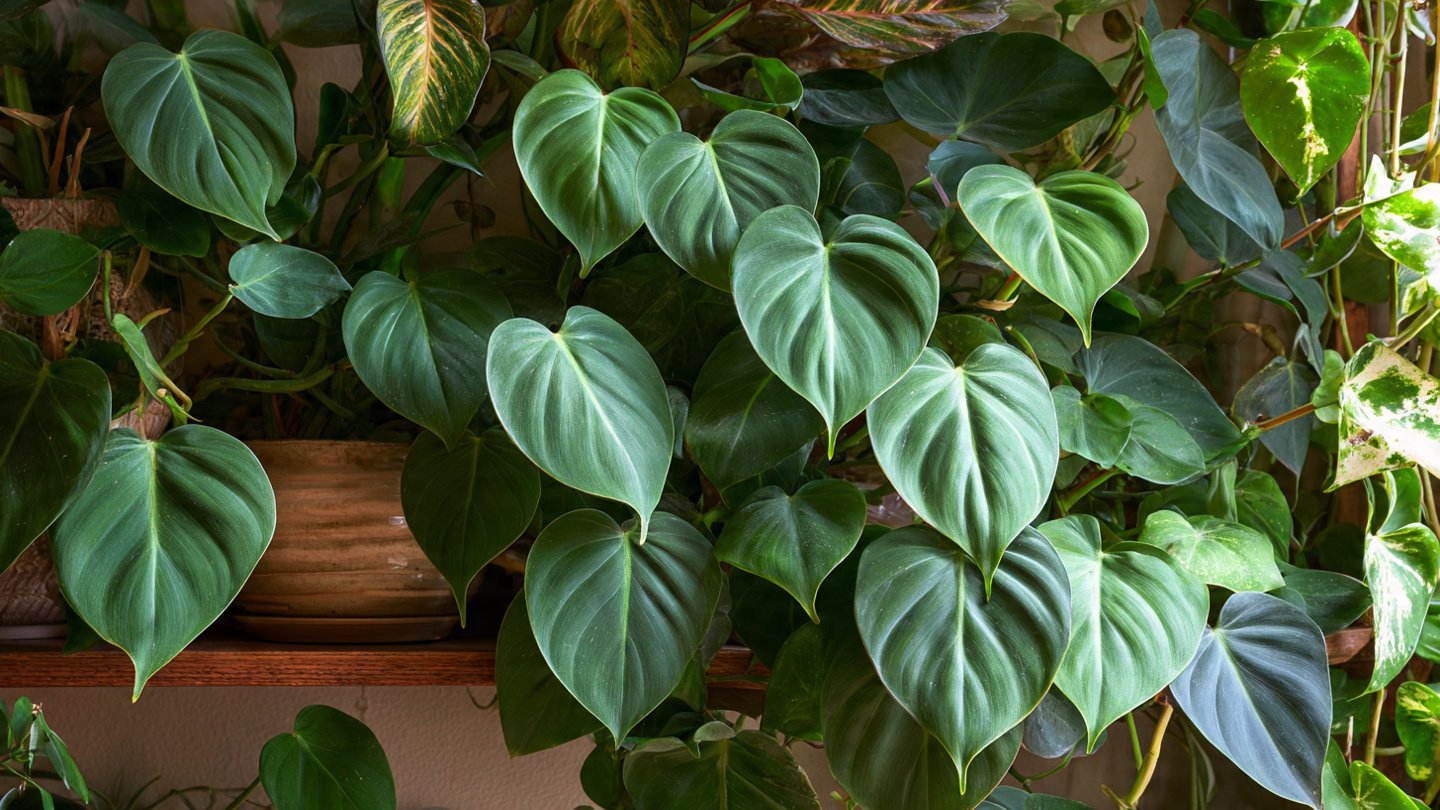
If you’re looking to add greenery to your home without the stress of complicated care routines, philodendrons are the perfect choice. Known for their striking foliage, low-maintenance needs, and adaptability, philodendrons have become a favorite among both beginner and experienced houseplant enthusiasts. From small tabletop varieties to large, dramatic climbers, these plants offer versatility, air-purifying benefits, and a touch of tropical elegance.
In this guide, we’ll explore why philodendrons are among the easiest houseplants to grow, how to care for them, and tips to keep them thriving indoors.
🌱 Why Philodendrons Are Ideal for Indoor Gardening
Philodendrons belong to the Araceae family, which also includes monsteras, anthuriums, and peace lilies. With over 400 species, philodendrons vary widely in size, shape, and growth habit, but all share traits that make them beginner-friendly:
- Tolerance to low light – Many philodendrons can thrive in indirect sunlight or shaded corners of your home.
- Flexible watering requirements – They are forgiving if you occasionally miss a watering session.
- Pest resistance – Philodendrons are less prone to infestations compared to other tropical houseplants.
- Air purification – Like many Araceae plants, they help remove toxins such as formaldehyde from indoor air.
Whether you’re aiming for a hanging basket, a trailing plant along a shelf, or a large statement foliage plant, philodendrons are highly adaptable.
🪴 Choosing the Right Philodendron Variety
Before planting, it’s helpful to know the main types of philodendrons suitable for indoor spaces:
- Heartleaf Philodendron (Philodendron hederaceum)
- Popular for beginners
- Trailing vines with small, heart-shaped leaves
- Thrives in low light and small pots
- Philodendron Brasil (Philodendron hederaceum ‘Brasil’)
- Variegated yellow-and-green leaves
- Fast-growing and visually striking
- Ideal for hanging baskets or climbing supports
- Philodendron Xanadu
- Compact, bushy variety
- Lush, deeply lobed leaves
- Grows well in medium light conditions
- Split-Leaf Philodendron (Philodendron bipinnatifidum / monstera-like)
- Larger leaves with dramatic splits
- Requires more space and higher light but creates a tropical feel
Choosing the right variety depends on your available space, lighting conditions, and aesthetic preferences.
🌞 Light Requirements
Philodendrons are forgiving when it comes to light but perform best under bright, indirect sunlight:
- Place your plant near east or north-facing windows for filtered light.
- Avoid harsh, direct sunlight, which can scorch leaves and cause yellowing.
- Low-light varieties like the heartleaf philodendron can survive in office cubicles or corners, though growth may slow.
Rotating the plant every few weeks ensures even growth on all sides and prevents leaning toward the light source.
💧 Watering Tips
One of the reasons philodendrons are easy to grow is their tolerance to inconsistent watering. Here’s how to get it right:
- Check the soil before watering — water only when the top 1–2 inches are dry.
- Use room temperature water to avoid shocking the roots.
- Ensure your pot has good drainage; philodendrons dislike waterlogged soil.
Overwatering is the most common cause of problems, leading to root rot. Conversely, occasional underwatering is rarely fatal — the leaves may droop slightly but usually recover after watering.
🌿 Soil and Fertilization
Philodendrons thrive in well-draining, nutrient-rich soil. A good indoor soil mix can include:
- One part peat moss or coco coir
- One part perlite or orchid bark for aeration
- One part regular potting soil
Fertilize regularly during the growing season (spring and summer) using a balanced, water-soluble houseplant fertilizer. A general guideline is once every 4–6 weeks. Reduce feeding in fall and winter when growth slows.
✂️ Pruning and Maintenance
Pruning keeps philodendrons healthy and encourages fuller growth:
- Remove yellowing or damaged leaves using clean scissors.
- Pinch back vines to promote bushier growth for trailing varieties.
- If a plant becomes leggy, cut stems just above a leaf node; new shoots often emerge.
Regular pruning also prevents overcrowding, which can reduce airflow and invite pests.
🐛 Pest and Disease Management
While philodendrons are generally resilient, they can occasionally encounter:
- Aphids and mealybugs – Wipe leaves with a damp cloth or apply mild insecticidal soap.
- Spider mites – Often appear in dry indoor conditions; increase humidity and clean leaves.
- Root rot – Caused by overwatering; ensure proper drainage and avoid letting pots sit in water.
Maintaining good hygiene and monitoring your plants regularly helps prevent infestations.
🌡️ Temperature and Humidity
Philodendrons thrive in average indoor temperatures and moderate humidity:
- Ideal temperature: 65–80°F (18–27°C)
- Humidity: 40–60%, though tropical varieties appreciate occasional misting
During winter, avoid placing philodendrons near cold drafts, radiators, or heating vents, which can dry out leaves and stress the plant.
🪴 Repotting and Growth Tips
Philodendrons grow relatively quickly, so repotting every 1–2 years helps prevent root-bound conditions:
- Choose a pot 1–2 inches larger in diameter than the current one.
- Carefully loosen the roots and replace with fresh soil mix.
- Water thoroughly after repotting and place in indirect light until the plant recovers.
Some philodendrons are vining types and benefit from support such as moss poles or trellises, allowing them to climb naturally and grow healthier leaves.
🌟 Benefits of Having Philodendrons Indoors
Aside from being easy to care for, philodendrons offer several advantages:
- Aesthetic appeal – Their glossy, lush leaves add a tropical vibe to any space.
- Air purification – Studies show philodendrons remove indoor pollutants like formaldehyde.
- Stress reduction – Indoor plants are known to improve mood, reduce stress, and boost productivity.
- Beginner-friendly – They tolerate a range of indoor conditions, making them perfect for first-time plant owners.
Whether you are decorating a living room, office desk, or balcony, philodendrons are versatile and low-maintenance.
✅ Troubleshooting Common Problems
Even easy-care plants like philodendrons can face minor issues:
- Yellow leaves – Often caused by overwatering or insufficient light.
- Drooping stems – Usually a sign of underwatering; check soil moisture.
- Leggy growth – Indicates the plant needs more light or pruning to encourage bushier foliage.
Addressing these issues early ensures your philodendron stays healthy and continues to grow vigorously.
🏡 Conclusion
Philodendrons are undoubtedly among the easiest houseplants to grow, combining hardiness, beauty, and adaptability. With the right balance of light, water, soil, and care, these tropical plants can thrive indoors, producing lush foliage that enhances any home environment.
Whether you choose a trailing heartleaf, a colorful variegated Brasil, or a large split-leaf variety, philodendrons reward consistent care with vibrant leaves, improved indoor air quality, and a touch of natural elegance. For anyone looking to start or expand their indoor garden, philodendrons are a reliable, stylish, and satisfying choice.