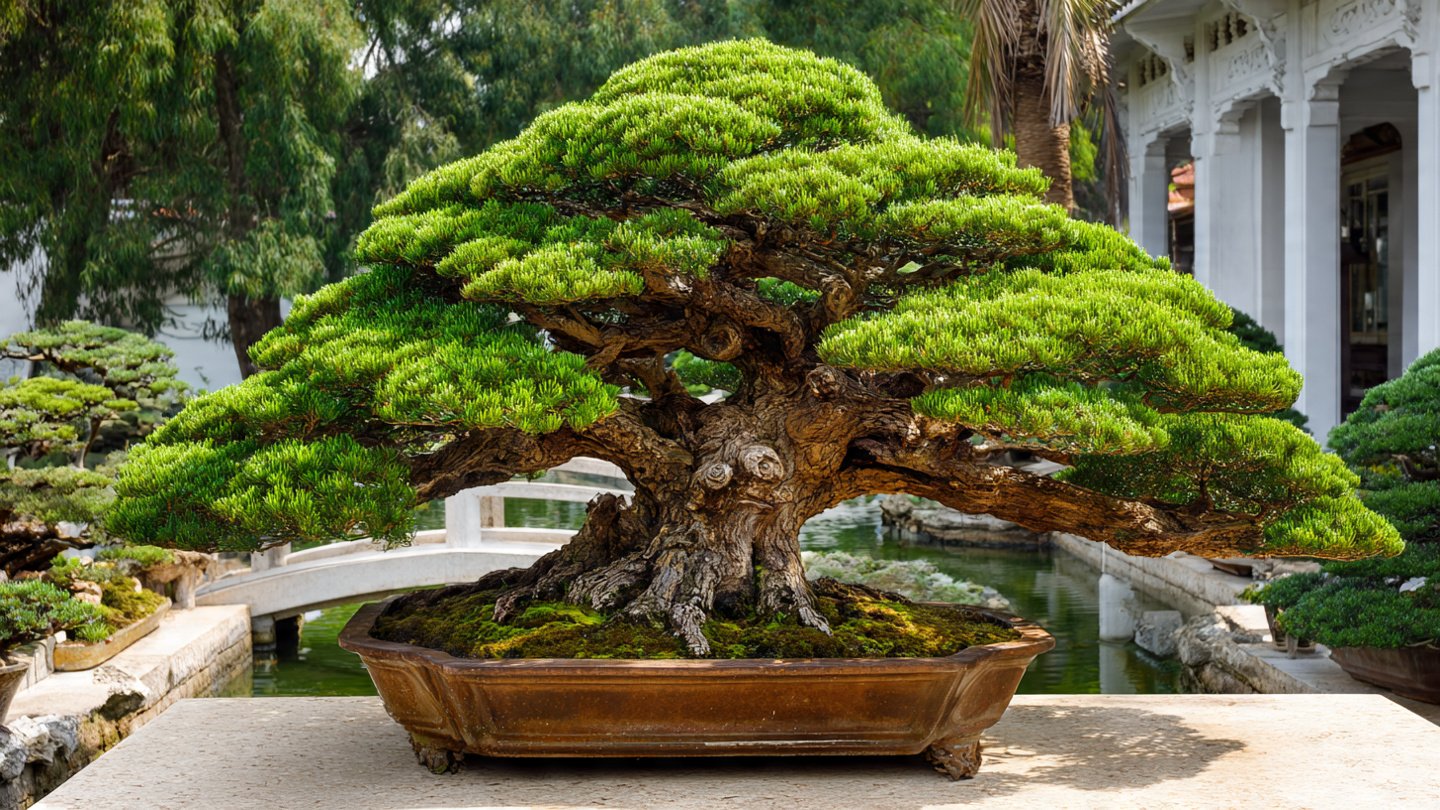
Bonsai trees have long captivated gardeners and plant enthusiasts with their intricate beauty, miniature form, and serene presence. While commonly associated with indoor displays, landscape bonsai—bonsai trees cultivated outdoors—can transform any garden into a living work of art. Outdoor bonsai requires unique techniques and careful attention to sunlight, soil, pruning, watering, and seasonal care. When done correctly, these miniature trees offer stunning aesthetic appeal, providing focal points, enhancing pathways, or complementing larger landscaping features. This guide will explore optimal techniques for cultivating landscape bonsai trees for breathtaking outdoor displays.
Understanding Landscape Bonsai Trees
Landscape bonsai, unlike indoor bonsai, must withstand outdoor environmental conditions, making selection and care more critical. Key characteristics include:
- Miniaturized Appearance: Bonsai are cultivated to resemble mature trees in miniature form.
- Adaptability: Outdoor bonsai are typically species suited to the local climate and hardy enough to tolerate seasonal changes.
- Aesthetic Placement: They can serve as focal points, complement garden structures, or integrate into rock gardens.
Common outdoor bonsai species include juniper (Juniperus), pine (Pinus), maple (Acer), elm (Ulmus), and ficus (Ficus) in warmer climates. Choosing the right species for your environment is essential for successful cultivation.
Selecting the Right Bonsai Species
Choosing a species suited to your outdoor environment ensures the tree’s longevity and aesthetic appeal. Consider the following:
- Climate Hardiness:
- Select species that thrive in your USDA hardiness zone.
- Junipers and pines tolerate frost and winter conditions, while ficus species prefer subtropical climates.
- Growth Characteristics:
- Fast-growing species are easier to shape but require frequent pruning.
- Slow-growing species allow for precise shaping over longer periods but may take years to achieve mature aesthetics.
- Leaf Size and Texture:
- Smaller leaves maintain proportional scale in miniature trees.
- Variegated or textured leaves enhance visual interest in the landscape.
- Root System Adaptability:
- Species with compact root systems are ideal for container bonsai or limited soil plots.
Selecting a species that naturally adapts to your outdoor environment reduces stress, enhances growth, and ensures stunning results.
Choosing the Right Location
Location plays a crucial role in the health and aesthetics of landscape bonsai:
- Sunlight: Most outdoor bonsai require 4–6 hours of sunlight daily. Morning sun with afternoon shade is ideal for heat-sensitive species.
- Protection from Wind: Strong winds can damage delicate branches and dry out the tree. Position bonsai near protective structures, such as walls, fences, or larger shrubs.
- Soil Drainage: Bonsai are highly sensitive to waterlogged soil. Elevated beds, rock gardens, or well-draining bonsai pots prevent root rot.
- Visual Integration: Consider the tree’s placement for maximum aesthetic impact. Bonsai work best as focal points, along pathways, near water features, or in zen garden-style arrangements.
Proper location selection ensures healthy growth and maximizes the visual impact of your outdoor bonsai.
Soil and Planting Techniques
The soil mixture and planting method are critical to bonsai success:
- Optimal Soil Mix:
- Bonsai soil must retain moisture while ensuring excellent drainage.
- A typical outdoor bonsai mix includes:
- Akadama (or clay-based soil for structure)
- Pumice for aeration
- Lava rock or grit for drainage
- Organic components like composted bark can be added for nutrient retention.
- Potting vs. Ground Planting:
- Container Bonsai: Provides flexibility in shaping and relocation. Ensure the pot has drainage holes.
- In-Ground Bonsai: Anchored directly in garden beds or rock gardens for natural growth; suitable for hardy species.
- Planting Depth:
- Bonsai roots should be planted slightly shallow to allow aeration and prevent root rot.
- Avoid burying the trunk too deeply, as this can affect visual proportion and tree health.
Pruning and Shaping Techniques
Pruning is both an art and a science in bonsai cultivation. Outdoor bonsai require regular pruning to maintain scale, shape, and health:
- Structural Pruning:
- Done in early spring or late winter to shape the tree’s overall form.
- Focus on creating a balanced silhouette, tapering branches, and defining the trunk line.
- Maintenance Pruning:
- Conducted throughout the growing season to remove new shoots, maintain compact size, and encourage dense foliage.
- Leaf and Needle Pruning:
- Reducing leaf size improves proportion and allows light penetration to inner branches.
- Needle pruning in conifers promotes back-budding and compact growth.
- Wiring:
- Wiring branches with copper or aluminum bonsai wire helps guide growth and form.
- Regularly check wires to prevent cutting into bark as the tree grows.
Shaping techniques require patience and consistency to achieve a refined miniature tree that complements your landscape.
Watering and Fertilization
Outdoor bonsai have higher water requirements due to sun exposure and wind.
Watering
- Check soil moisture daily, especially in hot or windy conditions.
- Water deeply until water drains from the bottom of the container or root zone.
- Avoid surface watering only, as it may not reach deeper roots.
- Reduce watering during winter dormancy for temperate species.
Fertilization
- Use slow-release or liquid fertilizers formulated for bonsai.
- Fertilize during the active growing season, typically spring through early fall.
- Avoid over-fertilization, which can cause rapid, weak growth that detracts from aesthetic appeal.
Consistent watering and balanced nutrition are essential for maintaining lush foliage and strong, well-proportioned growth.
Pest and Disease Management
Even outdoor bonsai can fall prey to pests and diseases:
- Common Pests:
- Aphids, spider mites, scale insects, and caterpillars.
- Inspect regularly and remove pests manually or treat with insecticidal soap or neem oil.
- Fungal Diseases:
- Root rot, powdery mildew, and leaf spot are common in damp conditions.
- Ensure proper drainage, airflow, and avoid overhead watering during humid periods.
- Environmental Stress:
- Excessive sun, drought, or frost can cause leaf burn, wilting, or dieback.
- Monitor weather conditions and protect bonsai during extreme events with shade cloths, mulch, or covers.
Preventive care ensures healthy growth and longevity for outdoor bonsai trees.
Seasonal Care for Outdoor Bonsai
Understanding seasonal changes is key to maintaining stunning landscape bonsai:
- Spring: Structural pruning, repotting (if necessary), and fertilization.
- Summer: Monitor watering, prune new growth, and protect from extreme heat.
- Autumn: Gradual reduction in fertilization, prepare for winter protection, and leaf color enhancement for deciduous species.
- Winter: Protect sensitive species from frost using mulch, covers, or relocation indoors (for container bonsai).
Seasonal attention keeps bonsai healthy, visually appealing, and resilient to environmental stress.
Styling and Aesthetic Placement
The placement of outdoor bonsai significantly impacts overall garden aesthetics:
- Focal Points: Use a bonsai as a centerpiece in a garden bed, rock garden, or near a water feature.
- Pathways: Line paths with small bonsai to guide visitors visually.
- Groupings: Arrange multiple bonsai of varying heights and species for layered, naturalistic displays.
- Complementary Elements: Combine bonsai with rocks, pebbles, or driftwood to create a miniature landscape scene.
Outdoor bonsai serve both as living art and functional design elements in landscape planning.
Tips for Long-Term Success
- Start with hardy species adapted to your climate.
- Invest time in training and shaping for a refined, mature look.
- Regularly monitor soil moisture, sunlight exposure, and pest activity.
- Rotate or relocate container bonsai to optimize sunlight and growth.
- Keep records of pruning, fertilization, and seasonal care for better management.
Consistency and attention to detail are the keys to cultivating landscape bonsai that remain healthy and aesthetically pleasing for years.
Conclusion
Cultivating landscape bonsai trees requires patience, skill, and careful planning, but the rewards are extraordinary. These miniature trees bring a sense of tranquility, elegance, and artistic beauty to outdoor spaces. By selecting the right species, choosing an ideal location, mastering soil preparation, pruning, watering, and seasonal care, gardeners can create breathtaking bonsai displays that complement their landscapes and serve as focal points of visual interest.
Whether used as standalone features, incorporated into garden beds, or paired with rocks and water features, outdoor bonsai trees enhance the aesthetic appeal of any garden. With attention to detail and consistent care, your landscape bonsai can thrive, providing stunning beauty, seasonal variation, and a living work of art that elevates your outdoor environment for years to come.