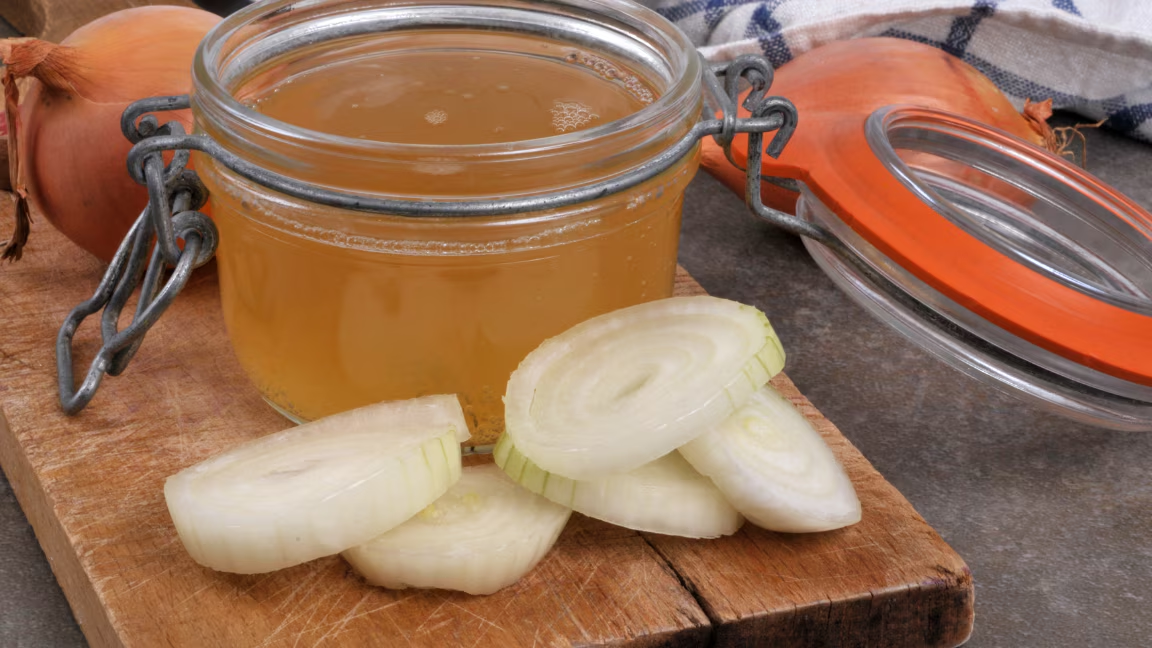
Hair fall, thinning strands, and slow hair growth are common concerns in 2026 as stress, pollution, and lifestyle changes continue to affect scalp health. Among the many natural remedies trending today, onion juice stands out as one of the most talked-about and widely used solutions for boosting hair growth. Simple, affordable, and easy to prepare at home, onion juice has gained popularity for its potential to strengthen roots and improve scalp condition.
In this comprehensive guide, we’ll explore the benefits of onion juice for hair growth, how to apply it properly, and what kind of before-and-after results you can realistically expect.
Why Onion Juice for Hair?
Onions are rich in sulfur, antioxidants, and antibacterial compounds. Sulfur is a key building block of keratin, the protein that makes up your hair. Increasing sulfur levels in the scalp may help strengthen hair strands and stimulate growth.
Key nutrients found in onion juice:
- Sulfur compounds
- Vitamin C
- Antioxidants
- Flavonoids
- Antibacterial agents
These nutrients work together to improve scalp circulation and reduce inflammation.
Top Benefits of Onion Juice for Hair Growth
1. Stimulates Hair Follicles
Sulfur improves blood circulation to the scalp. Better circulation means hair follicles receive more nutrients and oxygen, which can promote faster and thicker growth.
2. Reduces Hair Fall
Onion juice may strengthen roots and reduce breakage. By nourishing the hair shaft, it helps minimize shedding caused by weak follicles.
3. Fights Dandruff and Scalp Infections
Its antibacterial and antifungal properties help control dandruff and scalp irritation. A healthy scalp is essential for healthy hair growth.
4. Improves Hair Thickness
Regular application may result in visibly fuller hair over time. Strengthened strands appear thicker and shinier.
5. Delays Premature Graying
The antioxidants in onion juice help reduce oxidative stress, which can contribute to early graying.
Scientific Support Behind Onion Juice
Several small studies suggest that onion juice may promote hair regrowth, particularly in cases of patchy hair loss. While more large-scale research is needed, many users report noticeable improvements after consistent use for several weeks.
However, it’s important to understand that results vary based on:
- Hair type
- Scalp condition
- Frequency of use
- Overall health and nutrition
Onion juice is not a miracle cure, but it can be a helpful natural addition to your hair care routine.
How to Prepare Onion Juice at Home
Making onion juice is simple and requires only one ingredient.
Method 1: Blender Method
- Peel 2–3 medium onions.
- Chop into small pieces.
- Blend until smooth.
- Strain using a clean cloth or fine sieve.
- Collect the juice in a bowl.
Method 2: Grating Method
- Grate peeled onions.
- Squeeze out juice using a cloth.
Fresh juice is best. Avoid storing for long periods.
How to Apply Onion Juice for Best Results
Step-by-Step Application
- Divide hair into sections.
- Apply juice directly to the scalp using cotton or fingertips.
- Massage gently for 5–10 minutes.
- Leave it on for 30–45 minutes.
- Wash with mild shampoo.
Use 2–3 times per week for noticeable results.
Mixing Onion Juice with Other Ingredients
To reduce strong odor and enhance benefits, you can combine onion juice with:
1. Coconut Oil
Nourishes and moisturizes dry scalp.
2. Aloe Vera
Soothes irritation and reduces itching.
3. Honey
Adds hydration and shine.
4. Castor Oil
Supports thicker hair growth.
Mix equal parts and apply as a hair mask.
Before-and-After Results: What to Expect
Week 1–2:
- Reduced scalp itching
- Slight improvement in texture
- Less visible dandruff
Week 3–4:
- Reduced hair fall
- Baby hair growth in thinning areas (in some cases)
Week 6–8:
- Noticeable increase in volume
- Thicker appearance
- Improved scalp health
Remember, consistency is key. Skipping applications may slow progress.
Tips to Minimize Onion Smell
The biggest concern with onion juice is its strong smell. Here’s how to reduce it:
- Add a few drops of essential oil (lavender or rosemary)
- Use lemon juice rinse after washing
- Shampoo twice if necessary
- Use conditioner on hair lengths only
Proper washing usually removes most of the odor.
Who Should Avoid Onion Juice?
Although generally safe, avoid onion juice if you:
- Have a sensitive scalp
- Experience severe irritation
- Have open wounds on the scalp
- Are allergic to onions
Always do a patch test before full application.
Possible Side Effects
Some people may experience:
- Mild scalp redness
- Burning sensation
- Itching
If discomfort persists, discontinue use.
Supporting Hair Growth Naturally
Onion juice works best when combined with healthy habits:
- Eat a balanced diet rich in protein
- Stay hydrated
- Reduce stress
- Avoid excessive heat styling
- Trim split ends regularly
Hair health starts from within.
How Long Should You Continue?
For visible improvement, use consistently for at least 8–12 weeks. Natural remedies take time but are generally gentler than chemical treatments.
If you see positive results, you can reduce frequency to once weekly for maintenance.
Is Onion Juice Better Than Hair Serums?
Commercial hair serums often contain:
- Silicones
- Synthetic fragrances
- Chemical preservatives
Onion juice is natural and affordable. However, serums may provide faster cosmetic shine while onion juice focuses on long-term scalp improvement.
A combination approach may work best.
Final Thoughts
Onion juice remains one of the most popular natural remedies for hair growth in 2026 — and for good reason. Its sulfur content, antibacterial properties, and ability to improve scalp circulation make it a promising solution for those struggling with hair thinning and hair fall.
While results differ from person to person, consistent use combined with a healthy lifestyle can lead to noticeable improvements in hair strength, thickness, and overall scalp health.
Patience is essential. Natural remedies require time and dedication, but the benefits can be long-lasting and safe when used correctly.