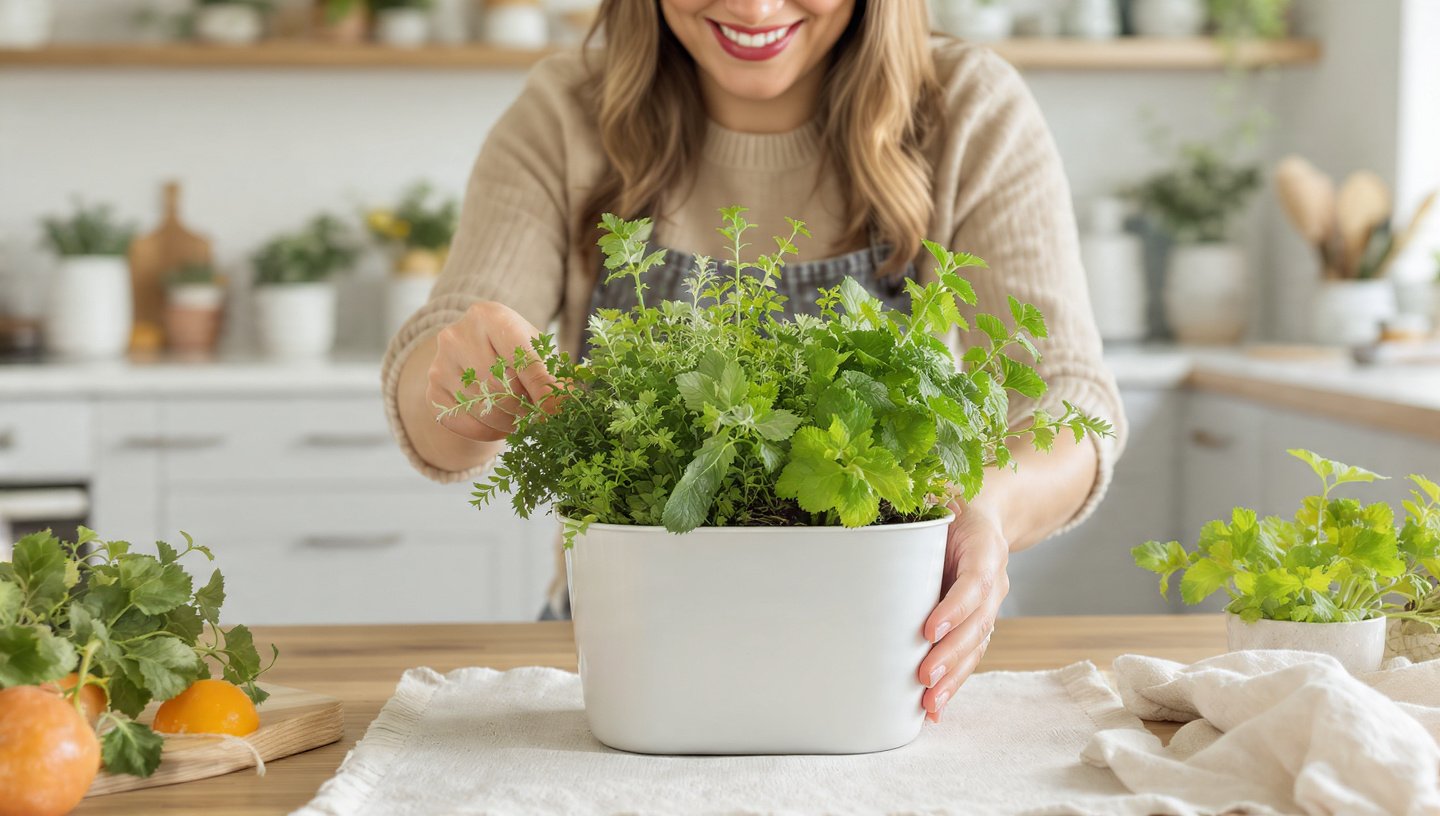
Imagine never having to buy vegetables again—without a garden, without complicated care, and without investing hours into maintenance. Sounds too good to be true, right? Yet there is a surprisingly simple way to grow your own fresh, nutritious vegetables at home with almost zero effort.
Most people overlook this tip because it seems too small or unconventional—but it works beautifully if done correctly. In this article, we’ll reveal the method that allows you to grow vegetables continuously with minimal space, effort, and resources.
Why People Think They Can’t Grow Vegetables Without a Garden
Many assume that growing food requires:
- A backyard or open land
- Fertile soil and compost
- Constant watering and care
- Specialized tools and seeds
This mindset stops people before they even begin. In reality, vegetables are surprisingly adaptable. Many common varieties thrive in small spaces, containers, or even kitchen scraps. The key is knowing the right method.
The Secret Tip: Regrow Vegetables From Kitchen Scraps
The unexpected secret is simple: regrow vegetables from scraps you already eat. Many vegetables naturally regenerate when placed in water or soil. This includes:
- Green onions / scallions – Just place the white roots in a glass of water, and new shoots grow continuously.
- Lettuce / romaine – Keep the base in a shallow dish with water, and new leaves sprout.
- Celery – The bottom portion regrows when kept in water or moist soil.
- Carrot tops – Leaves grow from the top, which can be used in salads or pesto.
- Garlic – Sprouts appear from cloves and can be harvested repeatedly.
- Bok choy / cabbage bases – New leaves emerge from the core in just a few days.
With this method, there’s no need to buy seeds or prepare soil for every harvest. The plant keeps producing as long as it has water, sunlight, and occasional nutrients.
Step 1: Collect Your Vegetable Scraps
Instead of throwing away vegetable bases, roots, or leaves, save them in a small container. Most kitchen scraps that are left after cooking can regrow:
- Cut green onions 2–3 inches above the roots
- Keep celery or lettuce bases about 2 inches high
- Save bok choy or cabbage stems
These scraps are essentially mini vegetable factories ready to grow again.
Step 2: Use Water or Shallow Soil Containers
For beginners, water regrowth is easiest:
- Place the vegetable base in a shallow container with roots submerged.
- Keep the container in a bright spot near a window.
- Change the water every 2–3 days to prevent mold or bacteria.
Optional: You can also plant scraps in a shallow pot with loose soil. This method takes slightly more effort but produces larger and faster-growing greens.
Step 3: Sunlight and Placement
Even minimal sunlight is enough for regrowth. Most kitchen vegetables need 4–6 hours of indirect sunlight daily.
- A sunny windowsill works perfectly.
- A balcony or small outdoor ledge is ideal.
- Rotate containers occasionally to ensure even growth.
Proper light ensures faster leaf production and healthier plants.
Step 4: Minimal Feeding for Maximum Growth
You don’t need fertilizer at first, but occasional nutrients accelerate growth:
- A pinch of compost in water or soil
- Liquid kitchen scraps (like diluted vegetable peels)
- Occasional organic tea (like compost tea)
These simple feedings are optional but keep the vegetables producing longer.
Step 5: Harvesting Without Stress
One of the best parts of this method is continuous harvest:
- Snip outer leaves first
- Leave the inner core intact
- Harvest every few days to encourage more growth
Many vegetables, like green onions or lettuce, regrow multiple times from the same base. This means you can have fresh greens without planting repeatedly.
Advantages of This Secret Tip
- No garden required – Works in apartments, kitchens, balconies, or tiny spaces.
- No constant care – Minimal watering and occasional sunlight are enough.
- Save money – Reduce grocery bills since vegetables regrow repeatedly.
- Sustainable – Reduces kitchen waste and uses scraps efficiently.
- Easy for beginners – No gardening knowledge is needed.
It’s essentially a low-maintenance, high-reward approach to home-grown vegetables.
Which Vegetables Work Best
Not every vegetable regrows effectively, but some are perfect for this method:
- Green onions / scallions
- Lettuce varieties (romaine, butterhead)
- Celery
- Bok choy
- Cabbage
- Garlic
- Carrot tops (for leaves, not root)
- Herbs like basil, mint, or coriander
Start with a few varieties and expand as you gain confidence.
Tips to Avoid Common Mistakes
- Do not fully submerge the plant – Only the roots or base need water.
- Change water regularly – Stagnant water invites mold or rot.
- Ensure light exposure – Vegetables need sunlight to grow new leaves.
- Harvest carefully – Cut outer leaves only to encourage continuous growth.
- Be patient – Some vegetables take 5–10 days to produce new shoots.
Following these simple guidelines ensures success even for absolute beginners.
Why Most People Have Never Tried This
Most people discard vegetable scraps without thinking twice. Many don’t realize these scraps are capable of regenerating into fresh produce with almost no effort. This simple tip works quietly, producing results while you focus on other things.
It’s also underrated because it doesn’t involve fancy gardening tools or sprawling gardens—but the yield can rival a small garden if done consistently.
Who Will Benefit Most From This Method
- Apartment dwellers without outdoor space
- Beginners who think gardening is complicated
- Busy people who want fresh vegetables with minimal effort
- Eco-conscious households looking to reduce waste
- Anyone wanting to save money on groceries
Essentially, anyone can do it. You only need a window, a container, and vegetable scraps.
Final Thoughts
You don’t need a garden, constant care, or a shopping budget to enjoy fresh, nutritious vegetables. By applying this simple kitchen-scrap regrowth tip, you can harvest greens repeatedly and sustainably.
Once you start, you’ll realize that home-grown vegetables don’t have to be hard, messy, or expensive—they can be effortless, fun, and surprisingly productive. With minimal space and care, you’ll never have to rely on store-bought vegetables the same way again.
This method is simple, sustainable, and perfect for modern lifestyles. It proves that even small efforts in the right way can lead to big results—fresh, continuous vegetables for your family without a garden or complicated routines.