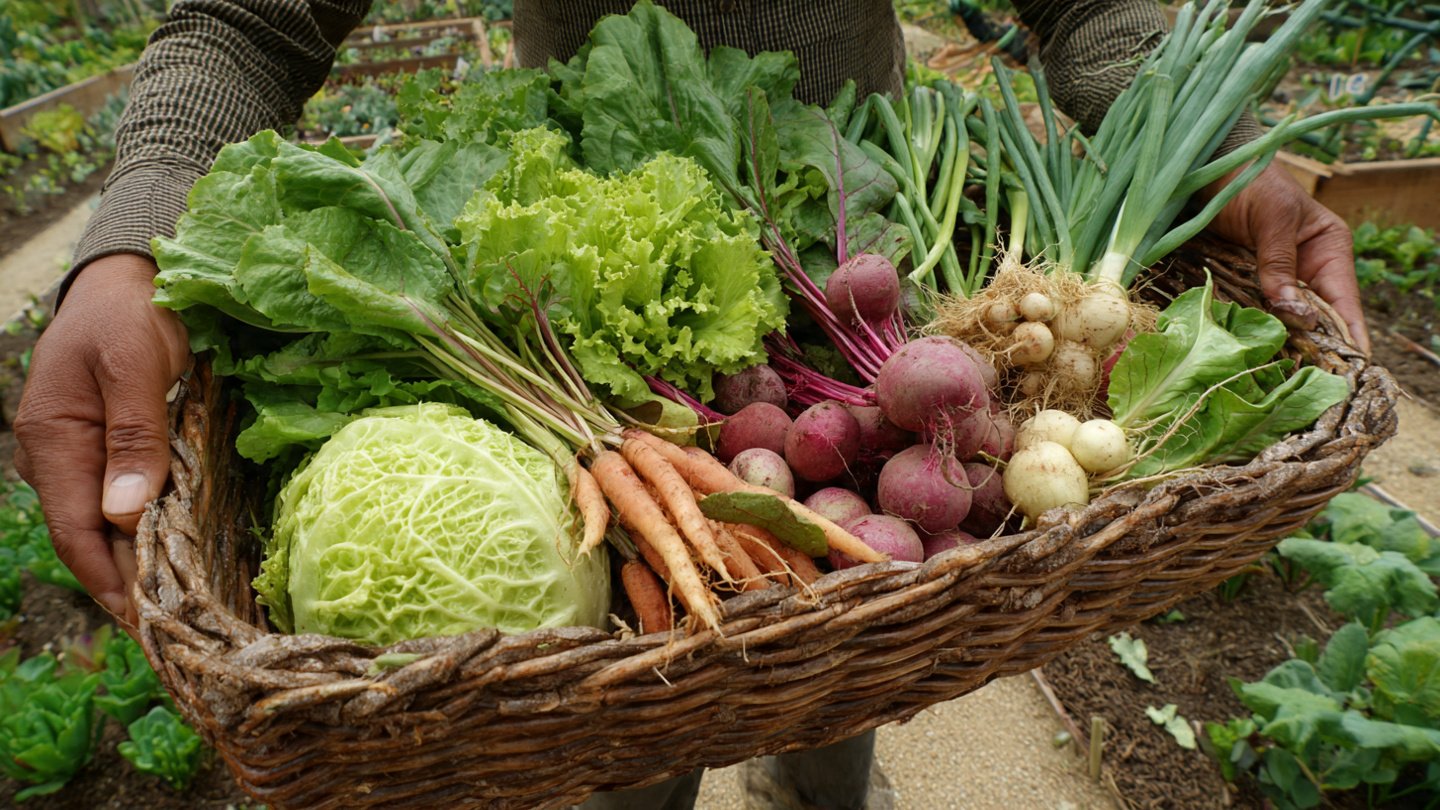
You don’t need a large garden, raised beds, or even a yard to grow your own vegetables. In fact, one of the most productive and beginner-friendly vegetables can thrive in small pots, balcony containers, window boxes, or even recycled buckets. Best of all, it keeps producing again and again—often delivering up to ten harvests in just one growing season.
That vegetable is leafy greens, especially fast-growing varieties like spinach, lettuce, and cut-and-come-again greens. With minimal space, basic care, and the right harvesting technique, you can enjoy a steady supply of fresh, homegrown food without ever stepping into a garden.
Let’s explore how this works and why it’s such a game-changer for small-space growers.
Why This Vegetable Is Perfect for Small Spaces
Unlike vegetables that grow once and stop, leafy greens are designed for repeated harvesting. Instead of pulling out the entire plant, you simply trim the outer leaves and allow the center to keep growing. This means one planting can feed you for weeks—or even months.
Leafy greens are ideal for container growing because:
- They have shallow root systems
- They grow quickly
- They tolerate partial sunlight
- They adapt well to indoor or balcony environments
Even a single pot can provide multiple meals when grown correctly.
How You Can Get Up to 10 Harvests
The secret to multiple harvests lies in the cut-and-come-again method. Instead of harvesting the whole plant, you cut only what you need, allowing the plant to regenerate.
Here’s how it works:
- Let the plant reach 4–6 inches tall
- Cut the outer leaves, leaving the center intact
- Allow the plant to regrow for 7–14 days
- Repeat the process throughout the season
Under good conditions, this cycle can repeat up to ten times before the plant slows down or bolts.
Choosing the Right Container
You don’t need anything fancy. Almost any container with drainage holes will work.
Good options include:
- Pots or planters (6–8 inches deep)
- Window boxes
- Buckets or storage containers
- Fabric grow bags
Make sure excess water can drain out to prevent root rot. Leafy greens prefer evenly moist soil, not soggy conditions.
Soil That Encourages Fast Regrowth
Healthy soil is key to repeated harvests. Use a light, well-draining potting mix rather than garden soil. A good mix allows roots to breathe while retaining enough moisture for consistent growth.
To boost productivity:
- Mix in compost or organic matter
- Avoid compacted or heavy soil
- Refresh soil with compost every few harvests
Nutrient-rich soil helps plants recover faster after each cut.
Sunlight Requirements (Less Than You Think)
One of the best things about leafy greens is their low light requirement. While they grow fastest in full sun, they perform surprisingly well with limited light.
Ideal conditions include:
- 4–6 hours of sunlight per day
- Bright indirect light near windows
- Morning sun with afternoon shade
This makes them perfect for balconies, patios, or even indoor growing setups.
Watering for Continuous Harvests
Consistent watering is essential for tender, flavorful leaves. Dry soil can stress the plant and slow regrowth, while overwatering can cause root problems.
Follow these tips:
- Water when the top inch of soil feels dry
- Water deeply until excess drains out
- Avoid letting pots sit in standing water
Steady moisture encourages lush, repeated growth.
Fertilizing for Maximum Yield
Because you’re harvesting leaves repeatedly, the plant uses nutrients quickly. Light feeding helps maintain productivity throughout the season.
Best practices include:
- Use a diluted liquid fertilizer every 2–3 weeks
- Apply compost tea or organic feed
- Avoid over-fertilizing, which can cause bitter leaves
Gentle, regular feeding keeps plants productive without stress.
When and How to Harvest Properly
Timing matters when harvesting for multiple yields.
Harvest when:
- Leaves are young and tender
- Plants are at least 4 inches tall
- Growth looks healthy and vibrant
Always use clean scissors or garden shears. Cut leaves about 1–2 inches above the soil line, leaving the center untouched. This ensures rapid regrowth and prevents damage.
Common Mistakes That Reduce Harvests
If plants stop producing early, it’s usually due to a few simple issues:
- Cutting too low and damaging the growth center
- Letting soil dry out completely
- Exposing plants to extreme heat
- Neglecting nutrients
Avoiding these mistakes can easily double or triple your harvest count.
Why This Method Saves Money and Time
Growing one vegetable that keeps giving is incredibly cost-effective. Instead of buying fresh greens every week, you can harvest them straight from your home whenever needed.
Benefits include:
- Reduced grocery bills
- Fresher, more nutritious food
- Less food waste
- No garden maintenance
It’s one of the easiest ways to become more self-sufficient without a large commitment.
Final Thoughts
You don’t need a garden to enjoy abundant harvests. With a simple container, good soil, and the right harvesting technique, leafy greens can reward you with up to ten harvests in a single season.
This approach is perfect for beginners, apartment dwellers, and anyone short on space but big on fresh food. Once you experience the satisfaction of cutting your own greens again and again, you’ll never look at small-space gardening the same way.
Sometimes, the most productive garden isn’t a garden at all—it’s a single pot growing smarter, not bigger.