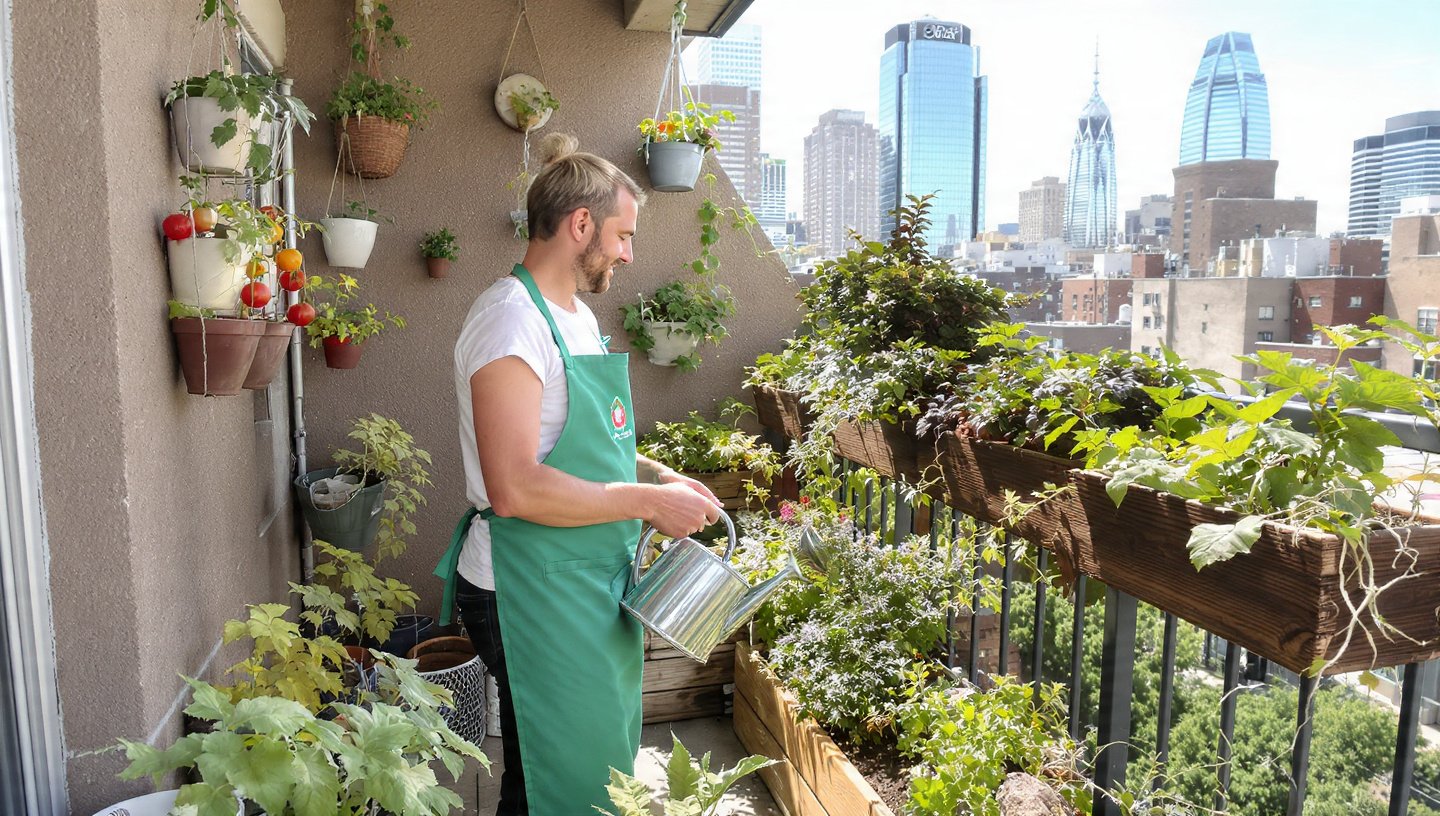
No Garden? How to Grow a Bounty of Vegetables in Small Spaces Easily
Not everyone has a sprawling backyard or a dedicated garden plot, but that doesn’t mean you can’t enjoy fresh, homegrown vegetables. With the right techniques, even the smallest spaces—balconies, patios, windowsills, or tiny courtyards—can become a productive vegetable garden. Urban gardening, container gardening, and vertical planting have made it easier than ever to grow tons of vegetables without a traditional garden.
This comprehensive guide will show you how to maximize limited space, choose the best crops, and create a thriving, space-efficient vegetable garden that delivers impressive yields.
Why Grow Vegetables in Small Spaces?
Growing vegetables at home, even in limited spaces, offers numerous benefits:
- Fresh and Healthy Produce – Harvest vegetables straight from your garden, avoiding pesticides and preservatives.
- Cost Savings – Reduce grocery bills while enjoying a steady supply of seasonal produce.
- Sustainability – Growing your own food reduces your carbon footprint.
- Mental Health Benefits – Gardening reduces stress and brings satisfaction from nurturing plants.
- Continuous Harvest – Staggered planting allows for a year-round supply, even in small spaces.
Choosing the Right Space for Your Mini Garden
Before starting, identify your space and conditions:
- Balcony or Terrace – Ideal for pots, containers, and vertical gardens.
- Windowsill or Kitchen Counter – Perfect for herbs, leafy greens, and dwarf vegetables.
- Small Courtyard or Patio – Allows for raised beds, hanging baskets, and trellises.
The key is sunlight. Most vegetables need at least 4–6 hours of direct sunlight daily. If sunlight is limited, choose leafy vegetables and herbs that tolerate partial shade.
Selecting Vegetables for Small Spaces
Not all vegetables are suitable for compact gardens. Focus on fast-growing, high-yield, and space-efficient crops:
Leafy Greens:
- Spinach, lettuce, kale, arugula, and mustard greens grow quickly and can be harvested repeatedly (“cut-and-come-again”).
Compact Fruit Vegetables:
- Cherry tomatoes, chili peppers, dwarf eggplants, and small zucchini varieties thrive in pots or containers.
Root Vegetables:
- Radishes, carrots, beets, and small turnips grow well in deep containers or raised beds.
Herbs:
- Basil, mint, coriander, parsley, and thyme are ideal for windowsills or hanging pots.
Choosing crops that naturally stay small or can be pruned keeps your small-space garden productive.
Container Gardening: The Foundation of Small-Space Vegetables
Containers are the backbone of urban and small-space gardening. They provide control over soil, drainage, and placement.
Tips for container gardening:
- Use pots with drainage holes to prevent waterlogging.
- Choose large containers for root vegetables; even a 12-inch pot works well for carrots or radishes.
- Lightweight plastic or fabric grow bags are easy to move and ideal for balconies.
- Ensure each container receives adequate sunlight.
Pro tip: Vertical stacking or placing containers on stands can maximize limited floor space.
Vertical Gardening: Multiply Your Yield Without Extra Space
Vertical gardening uses walls, trellises, and hanging systems to grow upward instead of outward, saving valuable space.
Techniques include:
- Trellises for climbing vegetables: Peas, beans, cucumbers, and tomatoes can grow vertically, producing more fruit per square foot.
- Hanging baskets: Ideal for cherry tomatoes, strawberries, and trailing herbs.
- Wall-mounted planters or pocket gardens: Perfect for leafy greens and herbs.
Vertical gardening not only increases yield but also improves air circulation and reduces pest problems.
Soil and Fertilization in Small Spaces
Healthy vegetables need nutrient-rich soil.
Soil mix for containers and small spaces:
- 1 part garden soil
- 1 part compost or vermicompost
- 1 part cocopeat or sand for drainage
Fertilization tips:
- Apply liquid fertilizers like compost tea every 2–3 weeks for fast-growing plants.
- Slow-release organic fertilizers can provide steady nutrition over the season.
- Leafy greens benefit from nitrogen-rich feeds, while fruiting vegetables need extra potassium for flowers and fruits.
Proper soil and fertilization ensure that even small containers produce large, healthy vegetables.
Watering Strategies for Small-Space Gardens
Consistent watering is crucial in small-space gardening because containers dry out faster than open ground.
Tips for effective watering:
- Water deeply to encourage strong roots.
- Check soil moisture daily; avoid letting it dry out completely.
- Use drip irrigation or self-watering containers if possible.
- Reduce watering slightly for mature fruiting plants to avoid splitting or rot.
Mulching with straw, shredded leaves, or cocopeat reduces evaporation and keeps soil moist.
Companion Planting in Small Spaces
Companion planting helps maximize space while boosting growth and reducing pests.
Examples:
- Tomatoes with basil or marigolds improve flavor and deter pests.
- Lettuce under taller crops like tomatoes receives partial shade, preventing bolting.
- Beans near cucumbers climb the same trellis efficiently.
Smart combinations improve yield and make the garden more resilient.
Pests and Disease Management
Small-space gardens often have fewer pests due to close monitoring, but vigilance is still important.
Preventive tips:
- Inspect plants regularly for aphids, spider mites, or fungal infections.
- Remove affected leaves immediately.
- Use organic sprays like neem oil or mild soapy water.
- Maintain good airflow around plants to reduce fungal growth.
Healthy soil, proper spacing, and clean containers reduce most problems.
Harvesting Tips for Maximum Productivity
Harvesting at the right time encourages continuous growth:
- Leafy greens: Cut outer leaves regularly, allowing inner leaves to continue growing.
- Root vegetables: Harvest when mature but before becoming woody.
- Fruiting vegetables: Pick regularly to encourage more flowers and fruit production.
Staggered planting of seeds or seedlings ensures you have a constant supply rather than all vegetables maturing at once.
Creative Ideas to Maximize Space
Even tiny areas can yield surprisingly large harvests:
- Stacked pots: Place smaller pots on top of larger ones for herbs and leafy greens.
- Window boxes: Grow lettuce, spinach, and radishes along window ledges.
- DIY vertical planters: Reuse old bottles, crates, or shoe organizers for vertical planting.
- Balcony railing planters: Perfect for trailing vegetables like cherry tomatoes or beans.
Innovation and creativity make small-space gardening both productive and beautiful.
Final Thoughts: You Don’t Need a Big Garden to Grow Plenty
Growing tons of vegetables in small spaces is entirely possible with proper planning, containers, vertical systems, and crop selection. Even without a traditional garden, urban dwellers can enjoy fresh, healthy, and flavorful produce year-round.
The key is to start small, observe your plants closely, and gradually expand as you gain experience. With consistent care, attention to sunlight, watering, soil, and plant nutrition, your small-space vegetable garden can thrive and produce a bountiful harvest that rivals any backyard garden.
Small space, big harvest: it’s not just a dream—it’s achievable!