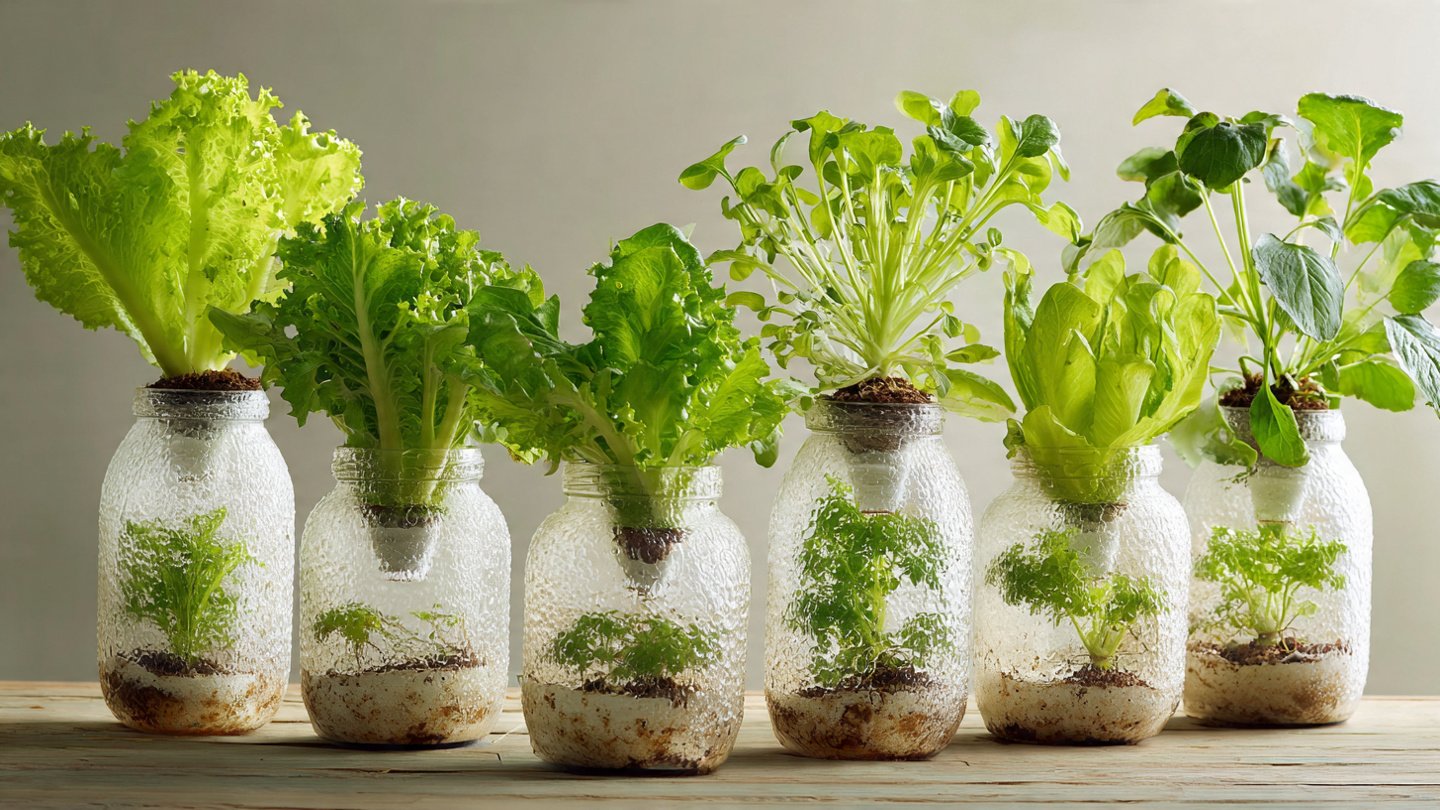
Urban gardening and small-space growing have taken an exciting turn with a simple, everyday item: plastic bottles. Instead of throwing them away, these bottles can be transformed into effective, space-saving vegetable gardens. Whether you live in an apartment, have a small balcony, or simply want a low-maintenance indoor garden, plastic bottle gardening offers a creative, sustainable, and highly productive solution.
This guide explores innovative ways to repurpose plastic bottles for growing vegetables, showing you how gardening can be simple, affordable, and rewarding.
Why Plastic Bottles Are Perfect for Vegetable Gardening
Plastic bottles are lightweight, durable, and versatile. They come in various sizes, are easy to cut and modify, and provide a controlled environment for plant growth. Using bottles for growing vegetables is also eco-friendly—it reduces waste while giving you fresh, homegrown produce.
Some of the key benefits include:
- Cost-effectiveness: No need to buy expensive pots
- Space efficiency: Perfect for balconies, windowsills, or small patios
- Beginner-friendly: Easy to set up and maintain
- Mobility: Bottles can be moved to optimize sunlight exposure
With a few simple modifications, bottles become mini gardens capable of producing herbs, leafy greens, and even small fruiting vegetables.
1. Horizontal Bottle Planters for Leafy Greens
One of the easiest ways to grow vegetables in bottles is by creating horizontal planters.
How to do it:
- Take a 1.5- to 2-liter bottle and cut a long rectangular opening on the side
- Poke small holes in the bottom for drainage
- Fill with potting soil
- Plant leafy vegetables like lettuce, spinach, or coriander
Horizontal bottles can be placed on shelves, balcony rails, or even hung with hooks.
Why it works:
Leafy greens have shallow roots and grow quickly. Horizontal bottles provide enough soil for root expansion while keeping leaves accessible for repeated harvests.
2. Vertical Hanging Bottles for Herbs
Vertical bottle gardening is perfect for those with minimal floor space.
How to do it:
- Cut the bottom off a plastic bottle and invert it
- Make small holes in the sides for planting
- Hang using sturdy rope or wire through the neck of the bottle
- Fill with soil and plant herbs like basil, mint, or parsley
Why it works:
Vertical setups maximize space and improve air circulation. They also turn blank walls into functional green areas, making it ideal for urban homes or apartments.
3. Self-Watering Bottle Planters for Easy Maintenance
If you struggle with remembering to water your plants, a self-watering bottle planter can make your life much easier.
How to do it:
- Cut a bottle in half and invert the top half inside the bottom half
- Thread a cloth or wick through the cap
- Fill the top half with soil and seeds
- Add water to the bottom section, which will be drawn up gradually
Why it works:
This setup ensures consistent soil moisture, reducing the risk of over- or under-watering. Vegetables grow faster and more consistently when the roots receive a steady supply of water.
4. Bottle Towers for Compact Vertical Gardening
Stacking bottles into towers is a creative way to grow more plants in limited space.
How to do it:
- Cut the bottoms off several bottles
- Stack them vertically using a rod or string for support
- Add soil and plant vegetables like radishes, green onions, or peas
- Make sure there’s drainage at the bottom
Why it works:
Bottle towers use vertical space efficiently, allow deeper soil layers for roots, and are perfect for climbing or trailing vegetables. This is an excellent solution for small patios or indoor corners.
5. Indoor Window Bottle Gardens for Year-Round Growing
Plastic bottles are ideal for indoor gardening, allowing you to grow vegetables year-round.
How to do it:
- Use clear bottles to let sunlight reach the roots
- Place near bright windows or under grow lights
- Rotate bottles for even light distribution
- Grow microgreens, spinach, or small herbs
Why it works:
Indoor bottle gardens protect plants from weather extremes and pests while giving you fresh vegetables all year. They’re perfect for apartments with limited outdoor access.
Best Vegetables to Grow in Plastic Bottles
Not all vegetables are suited to bottle gardening, but many thrive with minimal space.
Recommended options include:
- Leafy greens: Lettuce, spinach, arugula
- Herbs: Basil, mint, coriander
- Root vegetables: Radishes, green onions
- Small fruiting vegetables: Cherry tomatoes, peppers
Choose plants with shallow roots or compact growth habits for best results.
Soil and Drainage Tips
Plastic bottle gardening requires careful attention to soil and drainage.
Tips for success:
- Use lightweight, well-draining potting mix
- Add compost or organic matter for nutrients
- Ensure drainage holes are present to prevent root rot
- Avoid heavy garden soil that compacts easily
Healthy soil ensures strong growth and repeated harvests.
Watering Tips for Thriving Bottle Gardens
Since bottle planters dry out faster than traditional beds, proper watering is crucial.
- Check soil moisture daily, especially in warm weather
- Water early in the morning or evening to reduce evaporation
- Consider self-watering systems for consistent moisture
- Group bottles together to retain humidity if needed
Consistent watering encourages faster growth and healthier plants.
Common Mistakes to Avoid
Plastic bottle gardening is simple, but beginners often make a few common mistakes:
- Overcrowding plants in a single bottle
- Skipping drainage holes
- Placing bottles in complete shade
- Using heavy soil mixes
By avoiding these errors, your bottle garden will flourish and provide reliable harvests.
Benefits of Plastic Bottle Gardening
Plastic bottle gardening combines sustainability, convenience, and productivity:
- Reduces waste: Repurposes bottles that would otherwise be thrown away
- Affordable: Minimal investment for containers and soil
- Accessible: Great for beginners and small-space gardeners
- Portable: Bottles can be easily moved to optimize sunlight or for indoor use
- Educational: Teaches children about recycling, sustainability, and plant growth
This gardening method proves that fresh vegetables can be grown anywhere, even with limited space.
Final Thoughts
Plastic bottles are no longer just waste—they’re a gateway to a simple, productive, and sustainable vegetable garden. From horizontal planters to vertical towers, self-watering bottles, and indoor window gardens, the possibilities are endless. With minimal effort and creativity, you can enjoy fresh, homegrown vegetables year-round, all from recycled materials.
Gardening has never been so simple, affordable, and environmentally friendly. With these innovative ideas, anyone can start growing vegetables at home—no garden, no expensive pots, and no guesswork required.
By reimagining plastic bottles as miniature gardens, you’re not just growing food—you’re creating a greener, more sustainable lifestyle.