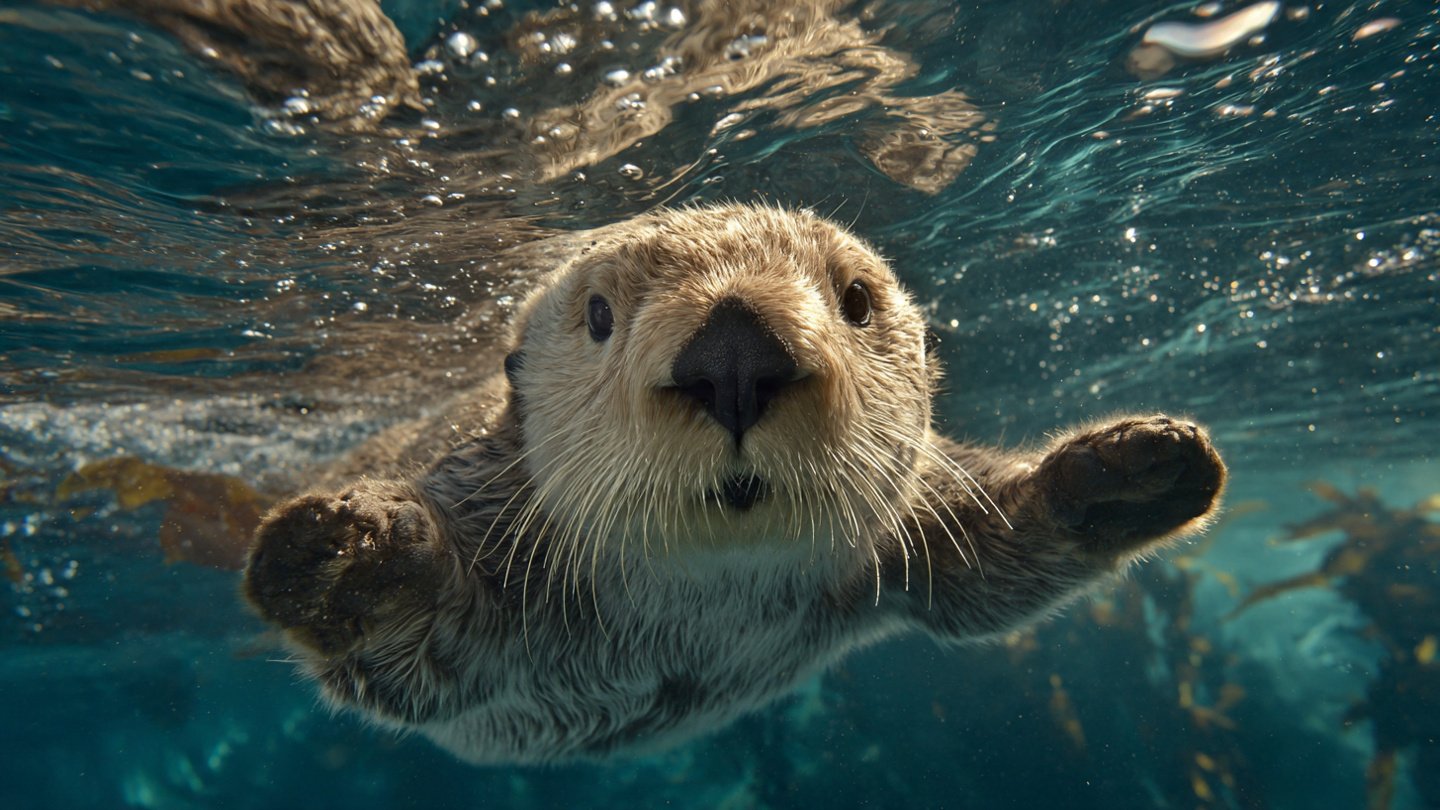
Along the rugged shoreline of the Pacific Coast, a quiet ecological recovery is reshaping the future of marine ecosystems. More than 50,000 sea otters are now thriving once again, and their comeback is proving to be about far more than conservation success. These charismatic marine mammals are playing a crucial role in controlling sea urchin populations, restoring kelp forests, and even helping combat climate change by boosting natural carbon capture.
This recovery story highlights how protecting a single species can trigger a powerful chain reaction—one that benefits biodiversity, coastal economies, and the planet itself.
A Species Once Pushed to the Brink
Sea otters were once abundant across the Pacific coastline, from northern Asia down to what is now California. However, intensive fur hunting during the 18th and 19th centuries nearly drove them to extinction. By the early 1900s, only small, scattered populations remained.
Legal protections and conservation efforts throughout the 20th century allowed otter populations to slowly rebound. Today, their numbers have reached levels not seen in generations, with strong populations established in Alaska, parts of Canada, and sections of the western United States. This recovery has unlocked ecological benefits that scientists are only now fully appreciating.
The Urchin Problem Beneath the Waves
Sea otters are voracious predators, with sea urchins ranking among their favorite foods. This dietary preference has enormous consequences for marine ecosystems.
When otters disappear, sea urchin populations explode. Urchins graze relentlessly on kelp holdfasts, stripping underwater forests bare and transforming vibrant ecosystems into “urchin barrens”—rocky seafloors nearly devoid of plant life.
In areas where otters have returned, this imbalance is reversed. Otters feed on urchins, keeping their numbers in check and allowing kelp forests to regenerate. This predator-prey relationship is a textbook example of a “keystone species” effect, where one animal has an outsized influence on its environment.
Kelp Forests: Underwater Giants with Global Importance
Kelp forests are among the most productive ecosystems on Earth. Towering underwater plants grow rapidly, forming dense canopies that shelter fish, invertebrates, and marine mammals. These forests provide nursery habitats for commercially important species, supporting fisheries and coastal livelihoods.
Beyond biodiversity, kelp forests play a critical role in regulating the climate. Kelp absorbs large amounts of carbon dioxide as it grows. Some of this carbon is stored in biomass or transported to the deep ocean when kelp fragments sink, effectively removing carbon from the atmosphere for long periods.
Without sea otters, many kelp forests collapse. With otters present, kelp rebounds—bringing climate benefits along with ecological ones.
Carbon Capture Through Trophic Cascades
The idea that sea otters help fight climate change may sound surprising, but research increasingly supports this connection. By controlling urchin populations, otters indirectly allow kelp forests to flourish. More kelp means more carbon capture.
This process is known as a trophic cascade: changes at the top of the food chain ripple downward, affecting ecosystem structure and function. In this case, the presence of otters leads to healthier kelp forests, which then sequester more carbon than degraded coastal systems.
Scientists estimate that otter-supported kelp forests may store millions of tons of carbon annually across the Pacific region. While this won’t solve climate change alone, it demonstrates the powerful climate value of ecosystem restoration.
Economic and Coastal Protection Benefits
Healthy kelp forests do more than store carbon and support wildlife. They also provide tangible benefits to human communities.
Kelp forests act as natural buffers against storm surge and coastal erosion by absorbing wave energy. As climate change increases the frequency and intensity of storms, this protective function becomes increasingly valuable.
Additionally, kelp-rich ecosystems support fisheries, tourism, and recreation. Divers, kayakers, and wildlife enthusiasts are drawn to areas where otters and kelp thrive, contributing to local economies.
In this way, sea otter recovery represents an investment in long-term coastal resilience.
Why Otter Recovery Matters Now More Than Ever
Climate change, warming oceans, and pollution place immense pressure on marine ecosystems. Kelp forests, in particular, are vulnerable to rising temperatures and marine heatwaves.
Sea otters cannot stop ocean warming, but they can strengthen ecosystem resilience. Kelp forests kept healthy by otter predation recover faster from disturbances and are better able to withstand environmental stress.
This resilience is critical in a rapidly changing world. Protecting otters doesn’t just preserve a species—it reinforces an entire ecological system at a time when stability is urgently needed.
Ongoing Challenges and Conservation Needs
Despite their recovery, sea otters still face threats. Oil spills, entanglement in fishing gear, habitat degradation, and disease continue to impact populations. Climate-driven changes in prey availability also pose emerging risks.
Continued monitoring, habitat protection, and responsible coastal management are essential to ensure that otter populations remain stable. Public awareness and support play a vital role in maintaining the momentum of this conservation success.
A Model for Nature-Based Climate Solutions
The return of more than 50,000 sea otters along the Pacific Coast offers a compelling lesson: restoring natural ecosystems can deliver climate benefits alongside biodiversity gains.
Rather than relying solely on technological solutions, protecting keystone species and their habitats harnesses nature’s own ability to regulate the planet. Sea otters remind us that sometimes the most powerful climate allies are living, breathing parts of the natural world.
Final Thoughts
The recovery of sea otters is one of the most inspiring conservation stories of our time. By controlling sea urchins, saving kelp forests, and boosting carbon capture, these animals demonstrate how interconnected life on Earth truly is.
As sea otters reclaim their place along the Pacific Coast, they are not just surviving—they are reshaping ecosystems, strengthening coastlines, and quietly helping the planet breathe a little easier.